Where to Buy Tea Seed Meal for Organic Gardening: A Complete Buyer’s and User’s Manual
On this page 10 sections
- What Is Tea Seed Meal and Why It Works
- Nutrient Profile: N-P-K and Trace Minerals Explained
- Tea Seed Meal vs. Other Organic Fertilizers
- How Saponins Affect Soil Life, Earthworms, and Pests
- Step-by-Step Application Rates for Lawns, Beds, and Containers
- Using Tea Seed Meal in Compost and Cover Crop Systems
- Where to Buy: Bulk vs. Bagged, Storage, and Shelf Life
- Common Mistakes and How to Avoid Them
- Frequently Asked Questions
- What to Remember Before You Order
You’ve probably seen tea seed meal mentioned in organic gardening forums, but the details get murky fast. Is it a fertilizer? A pest deterrent? A soil conditioner? The answer is yes to all three, which makes it one of the more versatile amendments you can buy. But that versatility also creates confusion—especially when you’re staring at a product page trying to figure out how much to apply and whether it will hurt your earthworms.
This guide covers the practical side of tea seed meal: what it actually contains, how it behaves in soil, how it compares to other organic fertilizers, and exactly how to calculate coverage for your specific garden. You’ll also get straight answers on saponin safety, seasonal timing, composting synergy, and where to buy it without overpaying. By the end, you’ll know precisely which product to order and how to use it from the first bag to the last.
One product worth looking at right away is the Check price on Amazon, a 50-pound bag with 15% natural saponin compound. It’s labeled for horticultural, agricultural, and residential use, and the application rate of 6–12 pounds per 1,000 square feet gives you a clear starting point. That’s a solid baseline for most home gardens, and the bag size means you won’t be reordering mid-season.
What Is Tea Seed Meal and Why It Works
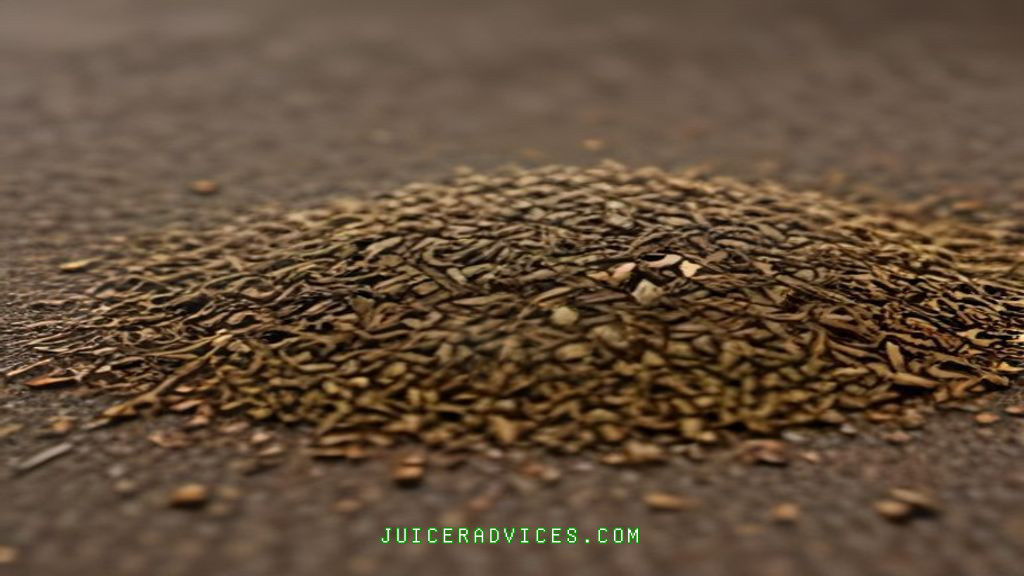
Tea seed meal is the crushed remains of camellia seeds after oil extraction. The seeds come from Camellia oleifera, a plant grown widely in China for tea oil. What’s left after pressing is a coarse, brownish powder that smells faintly nutty and works in the garden in two distinct ways.
The first mechanism is physical. The meal adds organic matter to soil, improving texture and water retention. It breaks down slowly, feeding beneficial microbes over several weeks rather than dumping nutrients all at once. That slow-release behavior makes it forgiving—you can’t easily burn plant roots with it.
The second mechanism is chemical. Tea seed meal contains saponins, which are natural compounds that disrupt the cell membranes of soft-bodied organisms. That’s why it deters slugs, snails, and certain soil pests. The saponins also help break down organic matter faster when mixed into compost, which is a bonus most people don’t expect.
Saponins are not a pesticide in the conventional sense. They don’t kill on contact like synthetic chemicals. Instead, they irritate and repel, which is enough to keep many pests from settling in. The effect is temporary, so reapplication mid-season might be necessary if you have a heavy infestation.
Nutrient Profile: N-P-K and Trace Minerals Explained
Tea seed meal is not a high-analysis fertilizer. Its N-P-K ratio typically lands around 2-1-1, sometimes slightly higher in nitrogen depending on the processing method. That’s modest compared to blood meal (12-0-0) or bone meal (3-15-0), but the nutrient release pattern matters more than the label.
Nitrogen in tea seed meal is bound up in proteins and amino acids. Soil microbes must break those down before plant roots can access the nitrogen. This mineralization process takes 4–8 weeks in warm, moist soil, which means you get a slow, steady feeding rather than a quick spike. For leafy greens and lawns, that’s ideal—you avoid the soft, disease-prone growth that comes from fast nitrogen.
Phosphorus and potassium are present in smaller amounts, but they’re accompanied by trace minerals like calcium, magnesium, and sulfur. These micronutrients support root development and disease resistance. You won’t see dramatic results from the P and K alone, but they round out the soil profile nicely.
One thing to note: tea seed meal is slightly acidic. If your soil is already below 6.0 pH, you’ll want to monitor it. A light application of lime in the fall can offset this, but test your soil first. The acidity is mild, so it’s rarely a problem for most garden vegetables.
Tea Seed Meal vs. Other Organic Fertilizers
Choosing between organic amendments comes down to what your soil needs and what your plants demand. Here’s a side-by-side comparison of tea seed meal against common alternatives.
| Amendment | Typical N-P-K | Release Speed | Primary Benefit | Watch-Outs |
|---|---|---|---|---|
| Tea Seed Meal | 2-1-1 | Slow (4–8 weeks) | Pest deterrent + soil conditioner | Mild acidity; low nutrient density |
| Blood Meal | 12-0-0 | Fast (1–2 weeks) | Quick nitrogen boost | Can burn roots; attracts dogs |
| Bone Meal | 3-15-0 | Slow (months) | Phosphorus for roots and blooms | Doesn’t deter pests; needs acidic soil |
| Alfalfa Meal | 2-1-2 | Moderate (3–6 weeks) | Balanced feeding + growth hormones | Can harbor weed seeds |
| Fish Emulsion | 5-2-2 | Fast (days) | Complete micronutrients | Strong smell; needs dilution |
Blood meal wins for a quick nitrogen fix, but it can burn tender seedlings and it attracts animals. Bone meal is excellent for tomatoes and bulbs, yet it does nothing for pests. Alfalfa meal is a close cousin to tea seed meal in nutrient profile, but it lacks saponins, so you miss the pest control angle.
Tea seed meal’s strength is its dual action. You get a gentle fertilizer plus a natural deterrent for slugs and grubs in one application. That combination saves you a separate pest-control pass, which is worth a lot in a busy season.
 Caffeine & Sugar Drink GuideKnow exactly how much caffeine, sugar and sodium is in 150+ popular drinks, and set daily limits that fit you.Caffeine and sugar in 150+ drinksDaily limits, smart swaps and a cut-back planDaily caffeine and sugar calculator (Excel)
How Saponins Affect Soil Life, Earthworms, and Pests
This is the question that scares people: will saponins kill my earthworms? The short answer is no, if you apply at the recommended rate. Saponins disrupt cell membranes, but earthworms have a protective mucus layer that shields them at low concentrations. At high doses—think 3–4 times the label rate—that protection breaks down, and you can harm beneficial soil life.
The mechanism is dose-dependent. Saponins bind to cholesterol in cell membranes, creating pores that cause fluid loss. Soft-bodied pests like slugs and nematodes have thin cuticles and no mucus defense, so they’re affected at much lower concentrations. Earthworms, with their thicker, slimy coating, tolerate standard applications without issue.
Beneficial microbes are another story. Most soil bacteria and fungi are unaffected because their cell walls are structurally different from animal cells. Saponins don’t lyse bacterial cells the way they do animal cells. So your soil food web stays intact while pests get discouraged.
Over-application is the real risk. If you dump a whole bag on a small bed, you can create a saponin concentration high enough to stress earthworms and slow decomposition. Stick to the label rates and you’re fine. When in doubt, apply less and water it in thoroughly—saponins are water-soluble and move down through the soil profile quickly.
Step-by-Step Application Rates for Lawns, Beds, and Containers
You’ll see rates like 6–12 pounds per 1,000 square feet on most bags. That range exists because soil conditions vary. Sandy soil loses nutrients fast, so you lean toward the higher end. Heavy clay holds nutrients longer, so the lower end works. Here’s how to break it down.
Calculating Coverage per Square Foot
Measure your garden bed or lawn area in square feet. For a rectangle, multiply length by width. For irregular shapes, break them into rectangles and add them up. Then divide your total by 1,000 and multiply by the rate you want.
Example: a 20-foot by 30-foot bed equals 600 square feet. At 8 pounds per 1,000 square feet, you need 600 ÷ 1,000 × 8 = 4.8 pounds. That’s roughly a quarter of a 20-pound bag. For a 50-pound bag like the Planet Turf product, that same bed would need about a tenth of the bag.
For containers, the math is different. A 10-gallon pot has about 1.5 cubic feet of soil. Apply 1–2 tablespoons of tea seed meal per pot, mixed into the top inch of soil. Container soil doesn’t have the same microbial activity as garden soil, so the breakdown is slower—expect the effect to last longer but start slower.
Fall vs. Spring Application Timing
Spring application works best as a pre-plant soil prep. Broadcast the meal 2–3 weeks before planting, then water it in. That gives microbes time to start breaking down the nitrogen so it’s available when seedlings need it. It also pre-treats the soil against early-season slugs.
Fall application serves a different purpose. The slow-release nitrogen feeds soil microbes through the winter, building organic matter and improving structure. The saponins also break down over winter, so you get a clean slate in spring. For established lawns, fall is actually the better time—the roots store nutrients for spring green-up.
Side-dressing mid-season works too, but keep it light. Scratch 1–2 tablespoons into the soil around each plant, then water. Don’t pile it against stems, as the meal can hold moisture and cause rot.
Using Tea Seed Meal in Compost and Cover Crop Systems
Tea seed meal shines in compost. Its nitrogen content (around 2%) helps balance carbon-rich materials like straw, leaves, and cardboard. If your compost pile is mostly browns and breaking down slowly, a few handfuls of tea seed meal can kickstart the microbial activity.
Add it in layers as you build the pile. A cup per square foot of pile surface is plenty. The saponins speed up decomposition by breaking down cell walls in plant material, making it easier for microbes to access the nutrients inside. You’ll notice the pile heating up faster.
For cover crops, tea seed meal works as a supplemental feeding. If you’re growing a nitrogen-fixing cover like clover or vetch, skip the tea seed meal—those plants make their own nitrogen. But for non-legumes like buckwheat or winter rye, a light application in early spring gives them a boost without the risk of burning young seedlings.
One caution: don’t use tea seed meal in a worm bin. The saponins, even at low concentrations, stress red wigglers, which lack the protective mucus of earthworms. Your compost pile is fine because the saponins break down during the hot phase, but vermicomposting is a different environment.
Where to Buy: Bulk vs. Bagged, Storage, and Shelf Life
You have two main purchasing options: bagged retail or bulk wholesale. Bagged is the right choice for most home gardeners. You can find tea seed meal at garden centers, farm supply stores, and online retailers. The Check price on Amazon on Amazon is a good example of a bagged product that ships directly to your door. Check the current price, as it fluctuates with supply.
Bulk purchasing makes sense if you have more than 5,000 square feet of garden or lawn. Buying a 50-pound bag is already a step up from the typical 10–20 pound bags. For larger operations, some suppliers offer 500-pound totes or pallet quantities. The per-pound price drops significantly, but you need dry storage space and a way to move the meal around.
Storage matters more than people think. Tea seed meal is organic matter, which means it can mold if it gets wet. Keep it in a sealed container in a dry, cool place. A metal trash can with a lid works well. Stored properly, it lasts 2–3 years without losing potency. If it clumps, that’s just moisture—break it up and let it dry before using.
Shelf life is generous, but saponins do degrade over time. After two years, the pest-deterrent effect weakens noticeably. The fertilizer value stays longer, so if you have an old bag, use it as a soil amendment and skip the pest control expectations.
Common Mistakes and How to Avoid Them
The biggest mistake is over-applying. More tea seed meal doesn’t mean better results. Stick to the label rate, and if you’re unsure, start at the low end. You can always add more next season, but you can’t easily undo an overdose.
Second mistake: not watering it in. The saponins and nutrients need moisture to activate. If you broadcast it on dry soil and leave it, the meal sits on the surface, attracting pests rather than deterring them. Water it in within 48 hours, as the label recommends.
Third mistake: using it on acid-loving plants without checking pH. Tea seed meal’s slight acidity can push blueberries or azaleas into a danger zone if your soil is already low. Test your soil first, or pair it with a lime application.
Fourth mistake: expecting instant pest control. Saponins work gradually. You’ll see reduced slug damage over a week or two, not overnight. If you have a severe infestation, combine tea seed meal with physical barriers like copper tape or diatomaceous earth.
Fifth mistake: ignoring the smell. Fresh tea seed meal has a mild, earthy odor that fades quickly. But if stored damp, it develops a sour, rancid smell. That’s a sign of spoilage—toss it and start fresh.
Frequently Asked Questions
Will tea seed meal hurt my pets if they dig in the garden?
Tea seed meal is non-toxic to mammals, including dogs and cats. The saponins are bitter, so most animals won’t eat it in quantity. If your dog does dig up a freshly applied bed, they might get an upset stomach, but it’s not a poisoning risk. Still, water it in well to minimize exposure.
Can I use tea seed meal on vegetable beds right before planting?
Yes, but wait 2–3 weeks after application before transplanting seedlings. The initial breakdown process can tie up nitrogen temporarily as microbes multiply. Giving it a few weeks lets the soil biology settle, so your seedlings get a steady supply instead of competing with microbes for nutrients.
Does tea seed meal kill grubs and Japanese beetle larvae?
It can deter them, but it’s not a guaranteed kill. Saponins irritate soft-bodied larvae, causing them to move away or die if the concentration is high enough. For heavy infestations, you’ll need a targeted biological control like milky spore. Tea seed meal works better as a preventive than a cure.
How often should I reapply tea seed meal during the growing season?
Once in spring and once in midsummer is enough for most gardens. The slow-release nutrients last 6–8 weeks, and the saponin effect fades around the same time. If you have persistent slug problems, a light side-dressing every 4–6 weeks can help, but don’t exceed the total annual rate.
Is tea seed meal safe for organic certification?
Yes, it’s allowed under most organic standards, including OMRI and NOP. The meal is a byproduct of oil pressing, so it’s a natural, minimally processed input. Just verify the specific product label if you’re certified—some brands add synthetic additives.
What to Remember Before You Order
- Measure your garden area in square feet before buying, then calculate pounds needed using 6–12 pounds per 1,000 square feet.
- Tea seed meal is a slow-release 2-1-1 fertilizer with a built-in pest deterrent from saponins—it won’t burn roots, but it won’t give a quick nutrient spike either.
- Earthworms are safe at label rates; over-application harms them, so don’t get creative with the dose.
- Apply in spring as pre-plant prep or in fall for soil building—both work, just for different reasons.
- Mix tea seed meal into compost to speed up breakdown and balance carbon-heavy piles.
- Store it dry in a sealed container; it lasts 2–3 years, but the pest-deterrent power fades after year two.
- Buy bagged for home gardens, bulk for large areas, and always check the current price on Amazon before committing.
Tea seed meal won’t replace your entire fertilizer program, but it’s a versatile tool that earns its place in the shed. Start with a small bag, test it on one bed, and see how your soil responds. You’ll likely find yourself reaching for it more often than you expected.