You’ve heard it before: adding milk to tea ruins the antioxidants. For years, that was the standard advice. People switched to black tea or drank it bitter to protect their health. The science behind that advice was real, but incomplete. The truth is more interesting, and a lot less dramatic.

Where the original advice came from
The early studies on tea and milk looked at something called total antioxidant capacity. That’s a lab measure of how well a substance can neutralize free radicals. Researchers found that adding milk to tea reduced this capacity significantly. Casein, a protein in milk, binds to the tea’s catechins. Catechins are the main antioxidants in tea. The binding makes them less available to your body.
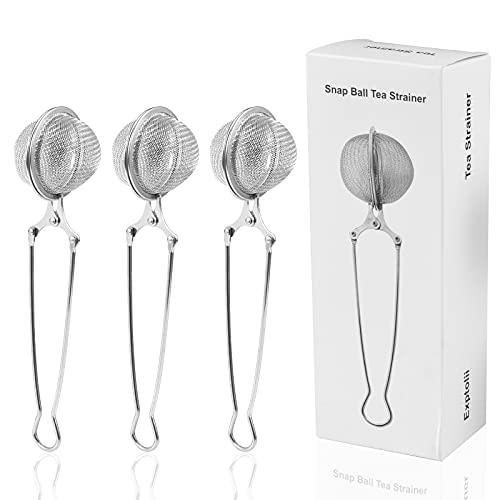
Exptolii
Snap Ball Tea Strainer, Exptolii 3 Pack…
- 【Premium Snap Ball Tea Stainer】 - The tea strainer is made of high quality stainless steel, which is safe and healthy, sturdy, dur…
- 【Excellent Filtering Effect】- The tea infuser with ultra fine mesh ensures a parctical free steeping, precision punching and provi…
- 【Portable and Practical】- The tea filter for loose leaf tea size by 6.7x1.77 inch (0.69 oz) which is lightweight, compact, easy to…
So the advice made sense. Drink tea with milk, and you get fewer antioxidants. That conclusion stuck for decades. It was simple, and it matched the lab data.
But the lab isn’t the body. That’s where the shift happened.
What the newer research shows
Recent studies measure what actually happens inside a person, not just in a test tube. The results are different. When you drink tea with milk, your blood still shows a rise in antioxidant levels. The increase is smaller than with plain tea, but it is still significant. Your body is not a beaker. Digestion, stomach acid, and enzymes change how compounds interact.
One key finding from a 2026 study is that the type of milk matters. The truth about milk and tea shows that soy milk and oat milk do not bind to catechins the way dairy does. They lack casein. So plant milks don’t reduce antioxidant absorption at all. Dairy does, but only by about 18% in real-world conditions. That is a far cry from the 80% reduction seen in early lab tests.
Another study followed people who drank tea with milk daily for a month. Their antioxidant levels stayed stable. The body adapts. It extracts what it needs from the tea-milk complex over time.
What is now simply wrong
The old claim that milk completely kills antioxidants is wrong. It does not. It reduces a portion of them, and only when you use dairy milk. The reduction is modest, not catastrophic. You are still getting most of the benefit.
The advice to avoid milk entirely for health reasons is also outdated. For most people, the difference between tea with milk and tea without is small. The bigger health factors are sugar content and total tea consumption.
What was always situational
Some advice was always about context. If you drink tea for a specific, concentrated antioxidant boost, plain tea is better. Athletes and people using tea as a recovery drink might want the maximum effect. For them, skipping milk makes sense.
If you drink tea for enjoyment, for hydration, or as a daily habit, milk makes no meaningful difference. The antioxidants you lose are negligible compared to the overall benefit of drinking tea regularly.
There is also the digestion angle. Tea tannins can irritate an empty stomach. Milk buffers that effect. For people with sensitive stomachs, milk is not a compromise. It is an improvement.
What has not changed
Tea is still a great source of antioxidants. That has not changed. The catechins in green tea and the theaflavins in black tea are potent. They support heart health, reduce inflammation, and help with cellular repair.
What has also not changed is the importance of brewing method. Steeping time and water temperature matter more than milk. Oversteeping tea releases more tannins, which taste bitter and can bind to nutrients. A proper steep at the right temperature preserves more antioxidants than any milk decision.
The type of tea matters too. Green tea caffeine levels and antioxidant profiles differ from black tea. Green tea has more catechins. Black tea has fewer but different compounds. Both are good. Milk affects them similarly.
Practical advice for your daily cup
Use the milk you like. If you prefer dairy, the 18% reduction is not worth giving up your morning ritual. If you want to minimize any loss, switch to oat or soy milk. They taste similar in tea and don’t bind to antioxidants.
Brew your tea properly. Use fresh water, heat it to the right temperature, and steep for three to five minutes. That gives you the most antioxidants regardless of what you add afterward.
One thing to watch: the temperature of your milk. Cold milk poured into hot tea drops the temperature quickly. That slows down extraction. Warm the milk slightly before adding it. It keeps the tea hot and the steeping process active.
If you are using loose leaf tea, a good infuser makes a difference. The Exptolii stainless steel tea infuser is a solid option. It has a fine mesh that filters out even small particles. The handle is spring-loaded and easy to squeeze. It took me a day to get used to the snap mechanism, but after that it worked cleanly. It comes in a pack of three, so you can keep one at work and one at home. The mesh is fine enough for rooibos and other small-leaf teas without letting sediment through.
Cleanup is simple. Rinse it under running water or toss it in the dishwasher. It doesn’t rust, and the mesh doesn’t clog easily. For the price, it is a practical tool for anyone who drinks loose leaf tea regularly.
Does milk affect caffeine?
No. Milk does not change the caffeine content of tea. Caffeine is water-soluble and extracts into the hot water during steeping. Milk binds to proteins and antioxidants, not caffeine. You get the same energy lift whether you add milk or not.
For those sensitive to caffeine, milk won’t help. Royal milk tea caffeine content is the same as regular tea. The milk only changes taste and texture.
The bottom line on milk and antioxidants
The science has moved from the lab bench to real people. That shift changed the answer. Milk in tea does not kill antioxidants. It reduces some, only from dairy, and only by a small amount. The old advice was based on incomplete data. The new advice is more nuanced and more useful.
Drink your tea the way you like it. If that means milk and sugar, enjoy it. The health benefit of drinking tea regularly far outweighs the small reduction from milk. The habit matters more than the additive.
One last note: be consistent. A daily cup of tea, even with milk, beats a perfect cup you only drink once a week. The antioxidants work cumulatively. Steady intake over months is what moves the needle on your health.
For more on how long your tea stays fresh, check this guide on milk tea fridge shelf life. It covers storage tips that keep both flavor and nutrients intact.


