Best Lime Juice Substitutes for Cooking & Cocktails
On this page 10 sections
Lime juice is a sharp, bright acid. It does double duty in the kitchen. It wakes up a marinade, balances a rich sauce, and gives a cocktail its backbone.
But limes are seasonal. They can be expensive. Or you simply run out mid-recipe.
The old advice was simple: use bottled lime juice. That was wrong for most cooking. The standard guidance has shifted toward fresh alternatives that mimic real lime’s aroma and acidity.
This change happened for a few reasons. Bottled juice often tastes flat and metallic. It lacks the essential oils found in the peel. Those oils carry the floral, zesty character you actually want.
Another reason is the rise of craft cocktails. Bartenders pushed for fresher ingredients. Home cooks followed suit. Now the best substitutes focus on whole citrus and vinegar rather than shelf-stable juice.

What Was Always Situational Advice
Some old advice was never universally true. It depended on the dish.
Using lemon juice as a 1:1 swap for lime works in cooked dishes. Heat masks the subtle flavor differences between the two citrus fruits. Stews, curries, and braises turn out fine with lemon.
But lemon juice fails in raw applications. A ceviche or a fresh salsa needs lime’s specific tang. Lemon changes the flavor profile noticeably.
Another situational case is bottled juice. It works in a pinch for marinades where you add many strong spices. The lime flavor is not the star. So the metallic note gets hidden.
The advice to use vinegar as a substitute was also situational. White vinegar works in pickling liquids. It does not work in a margarita. That was never good general guidance.
What Is Now Simply Wrong
Several old recommendations have fallen out of favor. You should avoid them.
Using bottled lime juice in cocktails is now considered a mistake. It contains preservatives. Those preservatives dull the drink’s texture and taste. The drink tastes flat, not bright.
Another outdated tip is using lime extract or lime oil as a juice substitute. These are highly concentrated. They are meant for baking, not for adding liquid acid to a dish. They will ruin a recipe’s balance.
Substituting equal parts water and citric acid is also wrong. It adds sourness but lacks all aroma. The dish tastes acidic but not like lime. That is a hollow victory.
Finally, the advice to just omit lime juice is poor. Acidity is a structural component in many recipes. Removing it changes how salt and sweetness register. The dish will taste flat.
What Has Not Changed
Some core truths remain stable. Acid is the point.
Lime juice provides two things: acidity and aroma. Any good substitute must provide both. If it only provides one, the dish suffers.
Fresh juice always beats bottled. That was true twenty years ago and it remains true today. The flavor gap is too wide to ignore.
Another constant is the need to taste as you go. Substitutes vary in strength. A Persian lime is different from a Key lime. Your lemon might be sweeter than mine. Adjusting at the end is not cheating; it is cooking.
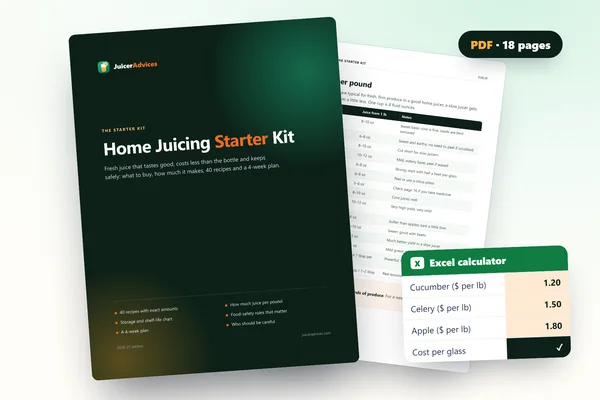 Home Juicing Starter KitMake fresh juice that tastes good, costs less and keeps safely: 40 recipes with exact amounts, a yield chart and a 4-week plan.40 juice, smoothie and shot recipesYield, storage and food-safety chartsCost, yield and shopping-list calculator (Excel)
Best Substitutes for Cooking
For cooked dishes, you have several solid options. These are ranked by how closely they match lime’s behavior.
1. Lemon Juice
Lemon is the closest relative. It has similar acidity levels. It also has a bright, clean finish.
Use it in a 1:1 ratio. This works best in soups, stews, and marinades. It also works in salad dressings.
The trade-off is aroma. Lemon lacks lime’s tropical, slightly bitter edge. In a heavily spiced dish, you will not notice the difference.
2. White Wine Vinegar
Vinegar provides the acid punch without any citrus flavor. It works when you want tartness but not a specific fruit note.
Use half the amount of vinegar as lime juice. So one tablespoon of lime juice equals half a tablespoon of vinegar. Then add water or stock to make up the volume.
This works in sauces and braises. It fails in anything where lime is the primary flavor.
3. Citric Acid Solution
You can buy citric acid in powder form. Dissolve one-quarter teaspoon in one tablespoon of water.
This gives you pure acidity. It is reliable and shelf-stable. But it has zero aroma. Your dish will be sour, not lime-y.
Use this only when you have no fresh citrus at all. It is a functional backup, not a preference.
Best Substitutes for Cocktails
Cocktails demand more precision. The lime is often the only acid in the drink. You cannot hide a bad substitute.
1. Fresh Lemon Juice
Fresh lemon is the best swap for a margarita or a daiquiri. It changes the flavor slightly. The drink will taste more like a lemon sour than a lime sour.
Use a 1:1 ratio. Squeeze it fresh. Never use bottled lemon juice in a cocktail.
The drink will be slightly less floral. It will also be a touch sweeter. That is an acceptable trade for a usable drink.
2. Yuzu Juice
Yuzu is a Japanese citrus. It has a complex, floral aroma that sits between lemon and grapefruit. It is more aromatic than lime.
Use a 1:1 ratio. Yuzu is less acidic than lime. You may need to add a drop more to balance a sweet cocktail.
Yuzu is expensive and sometimes hard to find. But it makes a genuinely interesting drink. It is not a downgrade; it is a variation.
3. Grapefruit Juice Plus Lemon
Mix two parts grapefruit juice with one part lemon juice. This mimics lime’s bitterness and acidity.
Grapefruit brings the sharp edge. Lemon brings the bright acid. Together, they approximate lime’s complexity.
This works well in tiki drinks and spritzes. It is too sweet for a straight margarita. Use it when you want a softer drink.
Quick Comparison Table
| Substitute | Best For | Ratio | Flavor Match |
|---|---|---|---|
| Fresh Lemon Juice | Cooking, most cocktails | 1:1 | Good |
| White Wine Vinegar | Sauces, braises | Half, then dilute | Fair |
| Citric Acid + Water | Any dish needing sourness | 1/4 tsp per tbsp | Poor |
| Yuzu Juice | Cocktails | 1:1 | Excellent |
| Grapefruit + Lemon | Tiki drinks, spritzes | 2:1 mix | Good |
How to Squeeze More Juice
Before you substitute, make sure you are getting everything from your limes. Most people squeeze poorly.
Roll the lime on the counter with firm pressure. This breaks the internal membranes. Then cut it in half crosswise, not pole to pole.
A heavy duty manual juicer makes this easier. The Check price on Amazon handles this task well. It is built with a sturdy hinge and a comfortable grip. You can process a dozen limes without hand fatigue.
The design uses a simple lever action. You place the halved lime cut-side down, then press the handles together. The juice flows out the spout, and the seeds stay in the basket.
It is not perfect. The basket holds about one lime half at a time, so you will work in batches. But it extracts noticeably more juice than squeezing by hand. It is also dishwasher safe, which means cleanup takes seconds.
Getting that extra half-ounce from each lime means you might not need a substitute at all.
Practical Tips for Swapping
Always taste the substitute before adding it to the dish. Citrus fruits vary in sweetness and acidity. Your lemon might be milder than the recipe expects.
Add the substitute in stages. Start with three-quarters of the amount. Taste, then add more if needed. You can always add acid, but you cannot remove it.
If your dish tastes flat after adding the substitute, add a pinch of salt. Salt enhances acidity perception. This trick works with any substitute, especially vinegar.
For cocktails, shake the drink harder when using a substitute. This dilutes the drink slightly, which softens any harsh notes from the alternative acid.
Frequently Asked Questions
Can I use bottled lime juice for cooking?
Yes, but only in cooked dishes with strong flavors. It works in chili, curry, or a marinade. It fails in fresh salsas, dressings, or any raw preparation.
What is the best substitute for lime juice in a margarita?
Fresh lemon juice is the best practical option. It keeps the drink balanced and bright. Use a 1:1 ratio. The drink will taste slightly different but still be good.
Is lime juice and lemon juice interchangeable?
Not exactly. They have similar acidity, but different aromas. Lime is more bitter and floral. Lemon is sweeter and sharper. Swap them in cooked dishes freely, but be careful in raw applications.
Can I use vinegar instead of lime juice?
Yes, in cooking. Use half the amount of vinegar, then add water to make up the volume. Do not use vinegar in cocktails. It lacks the citrus flavor and will taste harsh.
Does lime juice substitute affect canning safety?
Yes. Canning recipes rely on precise acidity levels to prevent bacterial growth. Substituting lemon juice is generally safe because it has similar acidity. But do not use vinegar or citric acid solutions unless the recipe specifically allows it. For more detail, read about lime juice for canning.
What about lime zest?
Zest is not a juice substitute. It provides aroma but no liquid or acid. Use zest to boost the lime flavor in a dish that already has some acidity from another source.
The Bottom Line on Substitutes
Keep fresh lemons on hand. They are the most versatile backup for lime juice. They work in nearly every recipe that calls for lime, from a quick weeknight stir-fry to a shaken cocktail.
Stock a bottle of white wine vinegar for cooking emergencies. It is not a citrus replacement, but it saves a sauce or a braise when you have no fruit at all.
Remember that the substitute changes the dish. It is not a perfect clone. Adjust the other flavors to compensate. Add a little more sweetener if the substitute is more tart, or a pinch of salt if it is flatter.
And if you are squeezing fresh limes regularly, a good juicer removes the friction. The best juicer for maximum extraction will pay for itself in saved fruit. You will use less fruit, waste less, and get more flavor into your glass. That is a better outcome than any substitute.