Drinks That Make You Poop Immediately: What Works and How Much
On this page 8 sections
- Drinks That Make You Poop Immediately: What Works and How Much
- How Prune Juice Softens Stool and Triggers Bowel Movements
- Why Coffee Stimulates Bowel Movements Quickly
- Warm Lemon Water and Other Natural Stimulants to Try
- Drinks That Can Worsen Constipation or Bloating
- When to Call Your Doctor for Constipation
- Checklist: What to Try Before Your Next Drink or Appointment
- More Questions, Answered
Constipation causes discomfort and urgency to find relief fast. Certain drinks act faster than foods by hydrating the gut, softening stool, and triggering muscle contractions in the colon.
This guide explains which drinks work best for immediate bowel relief, how much to drink, how quickly they act, and safety considerations to keep in mind.
Drinks That Make You Poop Immediately: What Works and How Much
Yes, certain drinks can help you poop quickly. Drinking about 4 to 8 oz of prune juice or 1 to 2 cups of coffee often prompts a bowel movement within 30 minutes to 3 hours by softening stool and stimulating colon contractions.
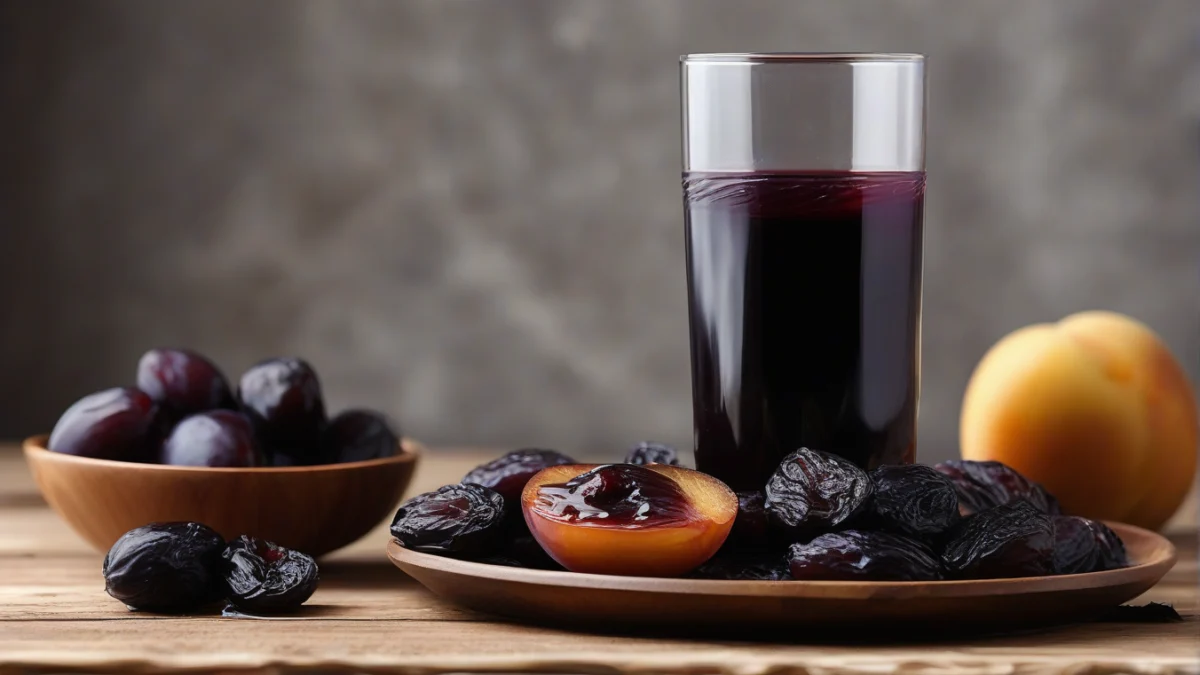
Prune juice is a top choice because it contains sorbitol, a natural sugar alcohol that draws water into your gut, softening stool and easing its passage. A standard serving of 4 to 8 oz delivers enough sorbitol to work effectively without causing diarrhea for most people.
Coffee triggers the gastrocolic reflex, a natural response where your colon contracts after drinking, hastening bowel movements. Both regular and decaffeinated coffee stimulate this reflex, so caffeine isn’t the only factor. Drinking 1 to 2 cups (8 to 16 oz) usually produces results within 30 minutes to two hours.
Hydration plays a key role in how well these drinks work. Adequate water intake helps fiber and sorbitol to soften stool and speeds transit through the gastrointestinal tract. Drinking these beverages without enough water may limit their effectiveness or cause discomfort.
Other fast-acting drinks include senna tea, known as a natural stimulant laxative approved by the FDA for short-term use. One cup of senna tea can prompt a bowel movement within 6 to 12 hours, but it’s best not to exceed a week of use due to potential side effects.
Warm lemon water also helps some people by combining hydration with citric acid, which can pull water into the gut and stimulate bowel activity. Drinking 8 oz of warm lemon water may produce milder effects within a few hours.
| Drink | Typical Amount | Time to Poop | Key Mechanism | Who Should Limit or Avoid |
|---|---|---|---|---|
| Prune Juice | 4 to 8 oz | 30 min to 3 hrs | Sorbitol softens stool | People with sorbitol intolerance |
| Coffee (regular or decaf) | 1 to 2 cups (8 to 16 oz) | 30 min to 2 hrs | Gastrocolic reflex stimulation | Those sensitive to caffeine or acid reflux |
| Senna Tea | 1 cup | 6 to 12 hrs | Stimulates colon contractions | Not for long-term use or pregnancy |
| Warm Lemon Water | 8 oz | 1 to 3 hrs | Citric acid and hydration | Acid reflux or sensitive stomach |
How Prune Juice Softens Stool and Triggers Bowel Movements
Prune juice is among the best drinks for constipation immediately because it acts as a natural laxative. A key component, sorbitol, is a sugar alcohol that draws water into your intestines, softening the stool. This osmotic effect makes stool easier to pass without causing harsh urgency.
Besides sorbitol, prune juice contains soluble fiber that adds bulk to stool, stimulating your gut to move it along. Drinking about 4 to 8 oz (half to one cup) typically prompts a bowel movement within 1 to 3 hours. This timing suits those needing quick relief but not an urgent rush.
| Nutrient | Amount per 8 oz |
|---|---|
| Sorbitol | 7 g |
| Sugar | 14 g |
| Calories | 100 kcal |
Keep in mind prune juice has about 14 grams of natural sugar per 8 oz serving. Diabetics or those watching sugar intake should limit how much they drink or consult their healthcare provider. For occasional constipation, having prune juice once a day is safe and effective; frequent use might cause loose stools or gas.
Why Coffee Stimulates Bowel Movements Quickly
Coffee is a popular choice for constipation because it stimulates bowel movements quickly, typically within 30 to 60 minutes after drinking 1 to 2 cups (8 to 16 oz). Its effect goes beyond caffeine alone.
Chlorogenic acid, a compound in coffee, triggers the gastrocolic reflex—a natural response where drinking or eating signals your colon to contract and make room for new contents. This reflex speeds stool transit and encourages a bowel movement.
Even decaffeinated coffee can stimulate this reflex, so it may help if you want to avoid caffeine’s side effects. However, caffeinated coffee contains about 95 mg of caffeine per 8 oz cup, which some people find too stimulating or disruptive to sleep.
| Type of Coffee | Caffeine Content per 8 oz |
|---|---|
| Regular brewed | 95 mg |
| Decaffeinated | 2 to 5 mg |
For most adults, 1 to 2 cups of coffee can safely prompt a bowel movement. People sensitive to caffeine or with certain heart or anxiety conditions should limit intake and watch for jitteriness or increased heart rate.
 Gut-Friendly Drinks GuideDrinks that are gentler on reflux, constipation and a sensitive stomach: what to sip, how much, and what to swap.Acidity chart for 40 common drinksDrinks for reflux, constipation, bloating and stomach bugsDrink and symptom tracker (Excel)
Warm Lemon Water and Other Natural Stimulants to Try
Hot drinks stimulate your bowels by encouraging muscle contractions in the gastrointestinal tract. Warm lemon water is a simple, effective option because the heat itself triggers this effect and the lemon adds a mild laxative boost.
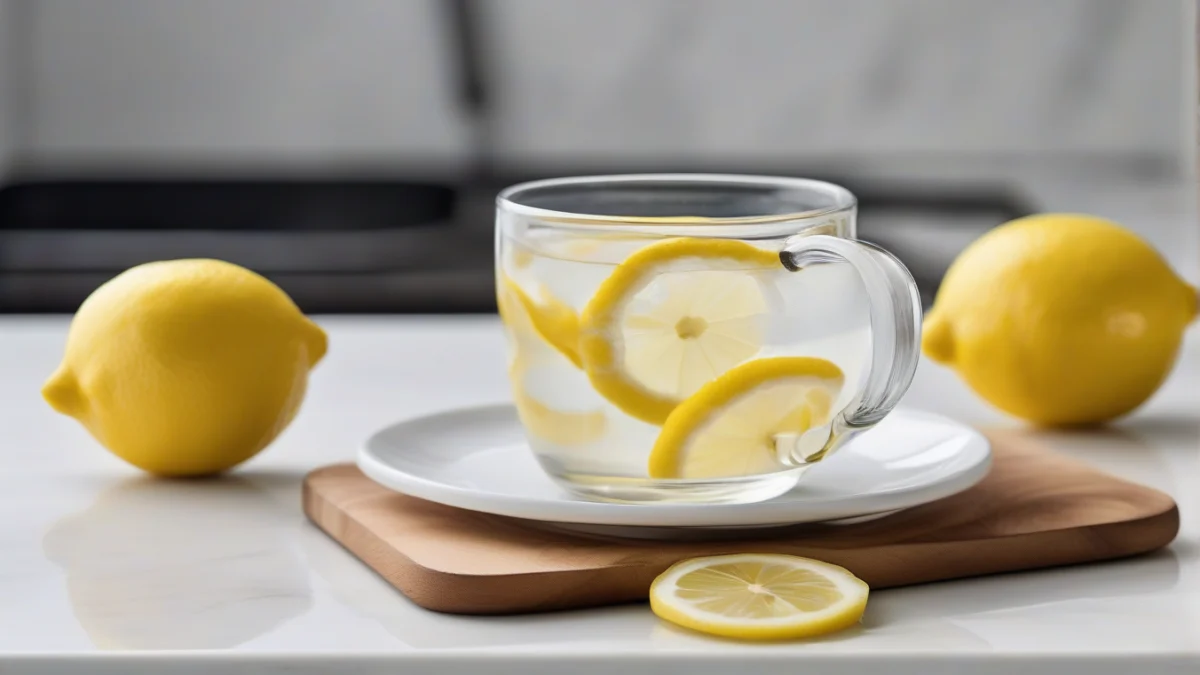
Lemon juice contains citric acid, which works as a mild osmotic agent. It pulls water into the intestines, softening stool and helping to speed up bowel movements. Try mixing the juice of one lemon into about 8 oz of warm water for a gentle nudge to your digestion.
Adding electrolytes like sodium and potassium to this drink can support hydration, which is essential for effective stool softening and moving waste through your colon. Electrolyte powders or drinks without added sugars work best to maintain balance.
Herbal teas such as peppermint and ginger are other natural stimulants to consider. They soothe the gut and may relieve bloating or cramping while mildly encouraging bowel activity. A warm cup of peppermint or ginger tea can be a comforting way to promote regularity.
| Drink | Key Benefit | Typical Serving Size |
|---|---|---|
| Warm lemon water | Citric acid osmotic effect | 8 oz with juice of 1 lemon |
| Electrolyte drinks | Support hydration and electrolyte balance | 8 oz as directed |
| Peppermint tea | Gut soothing, mild stimulant | 1 cup |
| Ginger tea | Anti-inflammatory, digestive aid | 1 cup |
Drinks That Can Worsen Constipation or Bloating
Certain drinks can delay bowel movements or increase bloating, making constipation worse. Alcohol, excessive milk intake especially if you are lactose intolerant, carbonated sodas, and very strong or excessive tea can all contribute to this problem.
Alcohol and sodas can cause dehydration, which reduces gut motility and hardens stool. Lactose in milk can ferment in the gut if you’re intolerant, leading to gas and bloating. Tannins in strong tea may slow digestion and reduce stool softness.
Limiting these drinks during constipation episodes helps avoid worsening symptoms. Stick to hydrating options like water, warm lemon water, or mild herbal teas instead until your bowel movements normalize.
When to Call Your Doctor for Constipation
Seek medical help if you haven’t had a bowel movement for more than 3 days despite trying remedies like prune juice or coffee. Persistent constipation can signal a more serious issue.
Severe or worsening abdominal pain is a warning sign that needs prompt evaluation. Don’t ignore sudden or intense pain in your belly.
Blood in your stool or black, tarry stools require urgent medical attention, as these may indicate bleeding in the digestive tract.
Unexplained weight loss or fever alongside constipation can be signs of infection or other health problems and should prompt a doctor’s visit.
Watch for dehydration symptoms such as dizziness, rapid heartbeat, or dry mouth, especially if constipation is accompanied by vomiting or poor fluid intake.
Checklist: What to Try Before Your Next Drink or Appointment
For fast constipation relief, first make sure you are well hydrated by drinking plain water throughout the day. Adequate hydration helps soften stool and boosts the effect of laxative drinks.
Start with warm liquids like tea or warm lemon water to gently stimulate your gut muscles and encourage bowel movements.
Use recommended amounts of prune juice (about 4 to 8 oz) or coffee (1 to 2 cups) to prompt a bowel movement, which usually occurs within 30 minutes to 3 hours after drinking.
Avoid drinks that can worsen constipation or bloating, such as alcohol, soda, or excessive dairy, as they may delay relief and increase discomfort.
If you follow this checklist and still have no relief, or if symptoms worsen, make an appointment with your healthcare provider for further evaluation.
For more options and detailed advice on fast-acting drinks, see our guide to best drinks for instant bowel relief.