Seltzer water has grown popular as a refreshing alternative to plain water and sugary sodas. It’s often confused with sparkling water, club soda, and tonic water, but each has distinct ingredients and uses.
Understanding what seltzer water really is helps you choose the right fizzy drink for your health needs and taste preferences.
Seltzer Water Is Carbonated Water Without Additives
Seltzer water is carbonated water made by dissolving carbon dioxide gas in purified water under pressure. It contains only water and CO2, without added minerals, sweeteners, sugar, or caffeine. This simple composition gives seltzer its clean, bubbly taste.

The term “seltzer” means plain carbonated water. It’s also called “seltzer water” or just “a seltzer.” Unlike club soda or tonic water, seltzer has no added salts or quinine. Its only ingredients are water and carbon dioxide, which creates the bubbles you feel and see.
Carbonation happens when carbon dioxide gas is forced into cold water under pressure. Cold water holds the bubbles better because gas dissolves more easily at lower temperatures. When you open a bottle or can, the pressure drops and the gas escapes as fizz.
Some seltzers include natural flavors, like lemon or berry essence, but they usually have no added sugars or artificial sweeteners. These flavors provide a subtle taste without changing the drink’s basic makeup.
Plain seltzer contains no calories, caffeine, or sugar, making it a safe choice for most people who want a sparkling drink without stimulants or sweeteners.
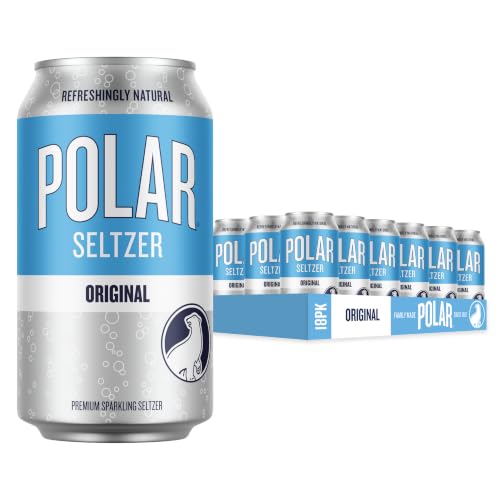
Comparing Seltzer Water With Similar Carbonated Drinks
Seltzer water is plain carbonated water with no added minerals, sweeteners, or alcohol. It differs from other fizzy drinks mainly by what ingredients they include and how they taste.
Sparkling water often means naturally carbonated mineral water or water with minerals added to mimic those natural sources. The minerals, like calcium and magnesium, give sparkling water a subtle flavor and can add a few calories.
Club soda is similar to seltzer water but contains added minerals such as sodium bicarbonate, sodium chloride, or potassium sulfate. These give club soda a slightly salty or alkaline taste, which some people prefer in cocktails or as a mixer.
Tonic water stands apart because it combines carbonation with sweeteners and quinine, a bitter compound. This makes tonic water both sweet and bitter, and it contains calories from added sugar or high-fructose corn syrup, unlike plain seltzer or club soda.
Hard seltzer is a different category altogether. It is a flavored alcoholic beverage made by fermenting sugar or malt, or by mixing distilled spirits with carbonated water and flavoring. Hard seltzers contain alcohol, usually around 5% by volume, and calories from alcohol and any added sweeteners.
| Drink | Ingredients | Taste | Calories | Typical Use |
|---|---|---|---|---|
| Seltzer Water | Water + carbon dioxide | Clean, neutral | 0 | Plain drink, mixer |
| Sparkling Water | Natural minerals + CO2 | Mineral, slightly tangy | Usually 0–5 | Plain drink, mixer |
| Club Soda | Added minerals + CO2 | Salty, alkaline | 0–5 | Cocktails, mixers |
| Tonic Water | Sweeteners + quinine + CO2 | Sweet and bitter | About 80 per 12 oz | Cocktails |
| Hard Seltzer | Alcohol + flavor + CO2 | Sweet, fruity, alcoholic | 100–150 per 12 oz | Alcoholic beverage |

Seltzer Water Has No Sugar or Caffeine
Plain seltzer water contains no sugar or caffeine. It’s just carbonated water, so it’s calorie-free and safe for anyone avoiding stimulants or added sugars.
Flavored seltzers vary. Some have natural fruit essences or oils without added sugar or sweeteners, remaining calorie-free. Others include added sugars, fruit juice, or artificial sweeteners like stevia or sucralose that provide sweetness without calories.
Always check the nutrition label and ingredient list. A sweet taste doesn’t always mean sugar is present. It could come from non-nutritive sweeteners that don’t raise blood sugar or calories. Ingredients like “natural flavors” often mean only extracts or oils, without sugar.
People Who Should Limit or Avoid Seltzer Water
Seltzer water is not bad for most people, but its acidity can cause problems for some. Carbon dioxide dissolved in water forms carbonic acid, making seltzer mildly acidic with a pH typically around 3 to 4. This acidity may irritate the esophagus and stomach lining, especially if you have acid reflux or a sensitive stomach.
If you often get heartburn or reflux symptoms, drinking seltzer might worsen discomfort after meals or when lying down. Limiting seltzer to small amounts like 4 to 8 oz (half to one cup) at a time and avoiding it close to bedtime can help.
People with kidney disease or electrolyte imbalances usually don’t need to worry about plain seltzer water since it has no added minerals. However, club soda often contains sodium and other minerals that can add to your daily intake, so monitoring those is more important if you have kidney issues or high blood pressure.
Plain seltzer contains no caffeine or sugar, making it safe for most adults, including those managing diabetes or avoiding caffeine. Check flavored seltzers’ labels to confirm no added sugars or caffeine sneaked in.
Hard seltzers are different: they contain alcohol and should be treated with the same caution as other alcoholic beverages. Drink them only if your health and medications permit and follow usual alcohol guidelines.
Carbonated water’s health effects are generally neutral to positive for hydration and digestion. It may even help digestion by increasing saliva and stomach acid production in some people. Still, the slight acidity and bubbles can trigger symptoms in sensitive individuals.
Making and Storing Seltzer Water at Home
Making seltzer at home means carbonating cold water by injecting carbon dioxide gas under pressure using a home soda maker. These machines force CO2 into water inside a specially designed bottle, creating the bubbles you recognize as seltzer water.

A seltzer bottle is a reusable container made to withstand the pressure of carbonation without bursting. It’s important to use only bottles rated for your machine to avoid leaks or damage.
Storing seltzer water cold and sealed slows the escape of carbon dioxide gas, helping the water stay fizzy for hours to days. Leaving it open or at room temperature lets the bubbles go flat quickly.
Home carbonation offers benefits like freshness, control over flavors and sweetness, and less reliance on single-use plastic bottles. It also lets you make seltzer anytime without running to the store.


