You bought a bottle of cranberry juice for a recipe or a health kick, and now it’s sitting in the fridge door, half-empty, with no clear purpose. Pouring it over ice gets old fast. But cranberry juice is one of the most versatile ingredients a home cook can keep around, and most people never tap into its potential.
This guide covers 25 practical ways to cook with cranberry juice, from the master technique of making a reduction to savory glazes, salad dressings, baking, and even frozen treats. You’ll learn the ratios, the flavor pairings, and the storage tricks that make this pantry staple genuinely useful. No fluff, just techniques you’ll actually use.
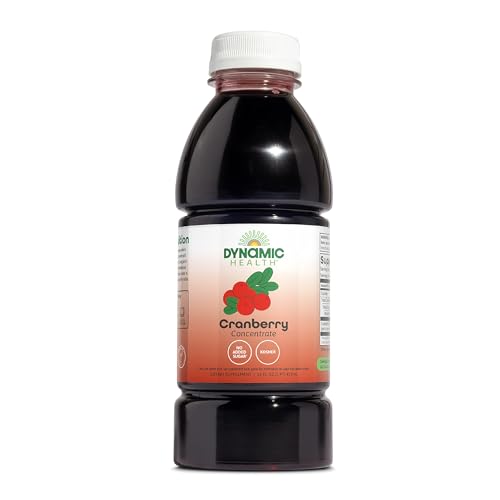
Dynamic Health
DYNAMIC HEALTH 100% Cranberry Juice Concentrate, 16…
- POTENT ANTIOXIDANT. Cranberries contain nutrients like vitamins C and E, plus the added power of the antioxidant quercetin. Antiox…
- COUNT ON CRANBERRY. You’ve probably heard that cranberries are great for urinary tract health. That’s because of proanthocyanidins…
- NO ADDED SUGAR. Our Cranberry Juice Concentrate is made without sweeteners or added sugar. It’s also Vegetarian, Gluten-Free, BPA-…
For the recipes below, you want a 100% pure cranberry juice concentrate, not a sweetened cocktail. The difference between juice and cocktail matters here because cocktails contain added sugar and less actual cranberry, which throws off reductions and marinades. Dynamic Health 100% Cranberry Juice Concentrate is a solid choice because it’s unsweetened, organic, and packs roughly 4,000 cranberries per bottle, so a little goes a long way.

Why Cranberry Juice Is a Secret Weapon in the Kitchen
Cranberry juice works in cooking for three specific reasons: acidity, pectin, and color. The natural tartness (pH around 2.5) acts like lemon juice or vinegar, brightening rich foods and balancing sweetness. The pectin gives it body, so reductions turn glossy and cling to meat without needing cornstarch. And the deep red color stains everything beautifully, which is why it makes such an impressive pan sauce.
That acidity also means cranberry juice can stand in for vinegar in many applications. It’s not a perfect swap — vinegar has no sweetness and a sharper bite — but cranberry juice brings its own fruity complexity. If you’ve ever wondered whether you can cook with acidic juices in oil, the answer is yes, as long as you emulsify properly, which we’ll cover in the vinaigrette section.
The biggest mistake home cooks make is treating cranberry juice like orange juice. Orange juice is mild and forgiving. Cranberry juice is assertive and tannic. You need to balance it with fat, salt, or sweetener, or it will taste sharp and astringent. Once you understand that, the possibilities open up.
The Master Ratio: How to Make a Cranberry Reduction (Gastrique)
Every savory application in this article starts with one technique: a cranberry gastrique. A gastrique is a classic French reduction of fruit, sugar, and vinegar. Here, cranberry juice replaces both the fruit and half the vinegar.
Use this ratio:
- 2 cups 100% cranberry juice
- 1/4 cup sugar (or honey, maple syrup, or orange juice concentrate)
- 2 tablespoons vinegar (balsamic, red wine, or apple cider)
- 1 shallot, minced (optional, for savory versions)
Simmer everything in a wide saucepan over medium heat until it reduces to about 1/2 cup. That takes 15 to 20 minutes. The liquid should coat the back of a spoon and leave a clear trail when you drag a finger through it. That’s your master reduction.
What you do with it is where the creativity comes in:
- Brush it on roasted chicken during the last 10 minutes of cooking
- Drizzle it over goat cheese crostini
- Stir a spoonful into gravy for Thanksgiving
- Use it as a base for a pan sauce after searing pork chops
- Mix it with olive oil for an instant vinaigrette
Sweeteners that complement the tartness
Plain sugar works fine, but it’s boring. Maple syrup adds a smoky depth that pairs well with bacon or roasted squash. Honey brings floral notes that suit poultry. Orange juice concentrate (thawed) adds citrus brightness and reinforces the fruit character without extra granulated sugar. For a savory twist, try a spoonful of molasses — it makes the reduction taste almost like a barbecue glaze.
One warning: taste as you go. The tartness of cranberry juice varies by brand, and some concentrates are stronger than others. Start with 1/4 cup of sweetener, then adjust. You can always add more, but you can’t take it out.
Savory Mains: Glazes, Marinades, and Braises
Most cranberry recipes stop at sauce for turkey. That’s a waste. The juice’s acidity makes it a natural partner for pork, chicken, and even beef. Here are three main dishes that show off the range.
Cranberry-Balsamic Glazed Pork Chops
Thick-cut pork chops (1 to 1.5 inches) take well to a sweet-tart glaze. Season the chops with salt and pepper, then sear them in a cast-iron skillet over medium-high heat for 3 minutes per side. Remove them, pour out the excess fat, and deglaze the pan with 1/2 cup cranberry juice. Add 2 tablespoons balsamic vinegar and 1 tablespoon honey. Scrape up the browned bits, then simmer until it reduces by half. Return the chops to the pan, spoon the glaze over them, and finish in a 400°F oven for 5 to 7 minutes, until the internal temperature hits 145°F.
The glaze turns sticky and dark, almost like a fancy barbecue sauce. It’s not perfect for every palate — the tartness is pronounced — but if you like sweet-and-sour flavors, this hits hard.
Slow-Cooker Cranberry BBQ Meatballs
This is the easiest thing in this article, and it’s the one guests always ask about. Combine 1 cup cranberry juice, 1/2 cup ketchup, 1/4 cup brown sugar, 2 tablespoons soy sauce, and a teaspoon of smoked paprika in a slow cooker. Stir in 2 pounds of frozen meatballs. Cook on low for 4 hours. The sauce thickens and clings to the meatballs, and the cranberry juice cuts through the ketchup’s sweetness.
For a spicier version, add a minced chipotle pepper in adobo. For a herbier one, toss in a sprig of rosemary while it cooks and remove it before serving.
Braised Chicken Thighs with Cranberry and Ginger
Braising in cranberry juice tenderizes chicken and gives the meat a rosy tint. Season 8 bone-in, skin-on chicken thighs with salt. Brown them skin-side down in a Dutch oven for 5 minutes. Flip, add 1 cup cranberry juice, 1/2 cup chicken stock, a 2-inch piece of ginger sliced thin, and 2 cloves of garlic smashed. Cover and simmer gently for 35 minutes. Uncover, turn the heat up, and reduce the liquid until it’s syrupy. The ginger’s warmth plays off the cranberry’s tartness, and the skin stays crisp if you re-crisp it under the broiler for 2 minutes.
This method also works for pork shoulder, though you’ll need to double the liquid and cook for 2.5 hours.
Salad Dressings & Vinaigrettes
Vinaigrettes are a 3:1 ratio of oil to acid. Cranberry juice can replace part or all of the acid, but because it’s less acidic than vinegar, you’ll want to use a bit more juice and a bit less oil. The result is a dressing with a fruity depth that plain vinegar can’t match.
Cranberry-Shallot Vinaigrette
Whisk together 1/4 cup cranberry juice, 2 tablespoons red wine vinegar, 1 small shallot minced fine, 1 teaspoon Dijon mustard, and a pinch of salt. While whisking constantly, drizzle in 1/2 cup olive oil. The mustard acts as an emulsifier, so the dressing stays together longer than one without it. This makes about 3/4 cup, enough for a salad for four people.
Use it on bitter greens like arugula or radicchio, where the sweetness balances the bitterness. It also works well as a marinade for grilled vegetables — toss sliced zucchini and bell peppers in the dressing before grilling.
For a creamier version, blend the same ingredients with 1/4 cup plain Greek yogurt. That turns it into a dressing that clings to chopped salads or works as a dip for raw vegetables.
Baking & Breakfast: Muffins, Scones, and Oatmeal
Cranberry juice in baking is a sleeper move. It adds moisture and acidity, which helps activate baking soda and creates a tender crumb. The key is to reduce it first so you don’t add too much liquid to the batter.
Cranberry-Orange Breakfast Muffins
Reduce 1 cup of cranberry juice to 1/4 cup (about 10 minutes of simmering). Let it cool. In a bowl, whisk 2 cups flour, 1/2 cup sugar, 2 teaspoons baking powder, and 1/2 teaspoon salt. In another bowl, mix 1 egg, 1/2 cup milk, 1/4 cup melted butter, the reduced cranberry juice, and the zest of one orange. Combine wet and dry ingredients, spoon into a 12-cup muffin tin, and bake at 375°F for 18 minutes. The muffins come out a faint pink color with a subtle tartness that doesn’t overwhelm the orange.
For scones, swap the milk in your favorite recipe for reduced cranberry juice. The acid reacts with the cream to make a more tender scone, and you get a lovely blush color without food coloring.
For oatmeal, stir 2 tablespoons of cranberry juice into a bowl of cooked steel-cut oats along with a pinch of salt and a drizzle of maple syrup. It brightens the whole bowl and adds a fruit note without needing to chop berries.
Drinks Beyond the Glass: Cocktails & Mocktails
You already know cranberry juice works in a Cape Codder. But the juice shines even brighter when you treat it like a culinary ingredient in drinks, not just a mixer.
The Non-Alcoholic Shrub (Drinking Vinegar)
A shrub is a syrup made from fruit, sugar, and vinegar, mixed with sparkling water for a refreshing drink. Cranberry juice makes an exceptional shrub because its tartness stands up to the vinegar. Combine 1 cup cranberry juice, 1/2 cup sugar, and 1/2 cup apple cider vinegar in a saucepan. Heat gently until the sugar dissolves, then cool. Mix 2 tablespoons of the shrub with 8 ounces of sparkling water and a squeeze of lime. It’s bright, complex, and completely alcohol-free.
Cranberry-Ginger Sparkler
Muddle 3 thin slices of fresh ginger in a glass. Add 1/2 cup cranberry juice, 1 tablespoon lime juice, and 1 teaspoon honey. Stir, then top with ginger beer or sparkling water. The ginger’s heat and the cranberry’s tannins are a natural pair, and the drink tastes far more sophisticated than its three ingredients suggest.
For a cocktail, add 2 ounces of vodka or gin to the sparkler. For a warm version, skip the bubbles and heat the mixture with a cinnamon stick and a star anise pod. That makes a mulled cranberry drink that works for fall gatherings.
Frozen Assets: Ice Cubes, Popsicles, and Sorbet
Cranberry juice freezes beautifully, which solves the leftover juice problem permanently.
Pour 100% cranberry juice into ice cube trays and freeze. These cubes are perfect for chilling a glass of sparkling water without diluting it. They also work in smoothies — toss two cubes into the blender with banana and yogurt for a tart, icy base.
For popsicles, combine 2 cups cranberry juice with 1/4 cup honey and the juice of one orange. Pour into molds and freeze for 4 hours. The result is a popsicle that’s more tart than sweet, which kids either love or hate. If you want a sweeter version, add another 1/4 cup honey.
Sorbet is even easier. Whisk together 3 cups cranberry juice, 1/2 cup sugar, and 1 tablespoon lemon juice until the sugar dissolves. Churn in an ice cream maker according to the manufacturer’s instructions. If you don’t have a machine, pour the mixture into a shallow pan and freeze, scraping with a fork every 30 minutes for 2 hours. The texture won’t be as smooth, but it’s still refreshing.
How to Store and Preserve Your Cranberry Creations
The reduction you made earlier keeps in the fridge for up to two weeks in a sealed jar. It also freezes well — pour it into an ice cube tray, freeze, then transfer the cubes to a zip-top bag. Each cube is about 2 tablespoons, so you can grab exactly what you need for a pan sauce or vinaigrette.
The shrub syrup also keeps for a month in the fridge. The vinegar acts as a preservative, so it won’t spoil quickly.
For longer storage, you can water-bath can cranberry juice concentrate. Heat the juice to 190°F, pour it into sterilized half-pint jars, and process in a boiling water bath for 15 minutes. This is worth doing if you have a glut of fresh cranberries and a juicer. If you’re just working with a store-bought bottle, freezing is simpler and preserves the flavor just as well.
Don’t Toss It: 3 Ways to Use Leftover Cranberry Pulp
If you’re juicing fresh cranberries at home, you’ll have pulp left over. It’s not waste — it’s a bonus ingredient.
- Bake it into muffins or quick bread. Fold 1/2 cup of pulp into your favorite muffin batter. It adds texture and a concentrated cranberry flavor without extra liquid.
- Make a compote. Simmer the pulp with a little orange juice and honey for 10 minutes. Spread it on toast, swirl it into yogurt, or serve it over pancakes.
- Add it to smoothies. A spoonful of pulp thickens a smoothie and adds fiber. It pairs especially well with banana and vanilla protein powder.
The pulp also freezes well, so you can collect it over time and use it when you have enough.
Comparing Cranberry Juice Forms for Cooking
Not all cranberry juice is created equal, and the form you choose changes the outcome. Here’s a practical comparison:
| Form | Best For | Sweetness | Cooking Notes |
|---|---|---|---|
| 100% Pure Juice | Reductions, marinades, dressings | None (very tart) | Requires added sweetener; most predictable results |
| Juice Concentrate | Glazes, baking, shrubs | None (intensely tart) | Must dilute with water or use in small amounts; check label for dilution ratio |
| Cocktail (30% juice) | Drinks, popsicles | High (added sugar) | Skip for savory cooking; sugar will burn and throw off ratios |
| Juice Blend (with apple/grape) | Smoothies, breakfast | Moderate | Milder flavor; reduce longer to concentrate cranberry character |
For most cooking applications, 100% juice is the safest bet. You control the sweetness, and the flavor is consistent. If all you have is a cocktail blend, reduce the added sugar in your recipe by half to compensate.
Frequently Asked Questions
Can I substitute cranberry juice for cranberry sauce in a recipe?
Not directly. Cranberry sauce is thickened and sweetened, while juice is thin and tart. You can make a quick substitute by reducing 1 cup of cranberry juice with 3 tablespoons of sugar and 1 teaspoon of cornstarch until it thickens. It won’t have the same texture as whole-berry sauce, but it works in a pinch for glazes or as a topping.
Does cooking cranberry juice destroy its nutrients?
Heat does degrade some vitamin C, but the proanthocyanidins (the compounds associated with urinary tract health) are more heat-stable. A reduction that simmers for 15 minutes retains most of the beneficial plant compounds. If you’re drinking it for the antioxidant benefits, consuming it raw is better, but cooking it doesn’t make it worthless.
Why is my cranberry reduction bitter?
You probably reduced it too far or used a cocktail with artificial sweeteners. When cranberry juice reduces past a syrupy consistency, the tannins concentrate and turn bitter. Stop the reduction when it coats the back of a spoon. If it’s already bitter, balance it with a pinch of salt and a teaspoon of honey — salt suppresses bitterness, and honey adds sweetness without masking the flavor.
Can I use cranberry juice in place of wine in a pan sauce?
Yes, and it’s a great swap for anyone avoiding alcohol. Use equal parts cranberry juice and chicken or beef stock. The juice provides the acidity and fruitiness that wine would, though the flavor profile is different. It works especially well with pork, duck, and game meats. Add a splash of balsamic vinegar if you want a note closer to red wine.
How long does an open bottle of cranberry juice last in the fridge?
An opened bottle of 100% cranberry juice lasts about 7 to 10 days in the fridge. The high acidity helps preserve it, but it will eventually ferment and turn fizzy. If you won’t use it that fast, freeze it in ice cube trays right after opening. Frozen cubes last up to 6 months and can be used directly in cooking or drinks.
What to Try First
If you’re overwhelmed, start with the gastrique. It’s one technique that unlocks a dozen recipes, and it teaches you how cranberry juice behaves when heated. Make a batch, use it on pork chops, and you’ll understand why this ingredient deserves more than a glass of ice.
- Keep 100% pure juice on hand; cocktail blends will ruin savory recipes.
- Master the 2:1:1 reduction ratio (juice, sweetener, vinegar) and you can make a dozen sauces.
- Use cranberry juice as a wine substitute in pan sauces for pork and poultry.
- Freeze leftover juice in ice cube trays — it never goes to waste.
- Save the pulp from fresh juicing for muffins or compote.
- Pair cranberry with ginger, orange, balsamic, or maple; avoid pairing it with delicate herbs like parsley.
- When in doubt, add a pinch of salt to any cranberry dish — it tames the tartness.


