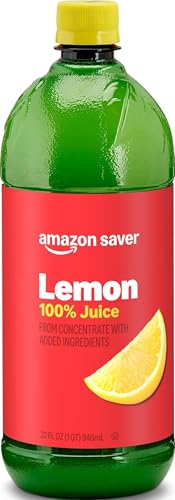
Cooking with Lemon Juice and Oil: Tips & Recipes
You’re about to add lemon juice to a hot pan of oil. Stop. This is a critical moment in your kitchen. That simple action can lead to a dangerous splatter or a bitter, ruined dish. You need the right information, and you need it now.
This isn’t just about mixing flavors. It’s about food safety, chemistry, and unlocking professional-level taste. We’re cutting through the noise. You’ll get the direct answer, the science, and actionable steps to use lemon juice in oil correctly, safely, and deliciously.

Can You Safely Cook Lemon Juice in Oil? The Direct Answer
Yes, but not by dumping juice into hot oil. The direct combination of water-based lemon juice and hot oil causes violent splattering. It’s a safety hazard. The high heat can also destroy the delicate flavor of the lemon and create bitterness.
The correct method is to create a stable mixture first or add the lemon juice at the right moment. For high-heat cooking, you should use a lemon infused oil or add lemon juice after cooking, using the residual heat. For marinades and dressings, you must master emulsification.
For perfect, consistent infusions and dressings every time, a high-quality oil is non-negotiable. Many chefs and home cooks rely on the BASSO 1904 - for its purity and flavor profile, making it an ideal candidate for pairing with citrus.
The Science Behind Acid and Oil at High Heat
Understanding the chemistry makes you a better cook. It’s that simple. When you heat oil, you’re agitating its molecules. Introducing waterand lemon juice is mostly watercauses an explosive phase change. The water instantly vaporizes, forcing the hot oil out of the pan.
Then there’s the citric acid. Subjected to very high, direct heat, it can break down and oxidize. This process, known as thermal degradation, can produce off-flavors. A scientific review on oil stability confirms that factors like heat and the presence of acids significantly impact oil quality and safety.
Your goal is flavor extraction without degradation. Gentle heat over time, as in infusing, allows the oil to capture the lemon’s aromatic oils safely. This is the core principle behind safe cooking with lemon oil.
Key Chemical Factors at Play:
- Smoke Point: The temperature at which oil breaks down and smokes. Adding acid can lower this point.
- Water Content: The primary cause of dangerous splatter.
- Thermal Degradation: The breakdown of both the oil and the citrus compounds under excessive heat.
Step-by-Step: How to Properly Combine Lemon Juice and Oil for Cooking
Follow these steps precisely. They are designed for safety and maximum flavor.
For Marinades and Dressings (No Direct Heat)
This is where emulsification is your best friend. An emulsion temporarily suspends oil and acid together.
- Start with your acid. Add lemon juice to a bowl.
- Add your emulsifier. Dijon mustard, honey, or egg yolk are perfect.
- Whisk vigorously. Create a stable base.
- Drizzle in your oil slowly. A thin, steady stream while whisking constantly is mandatory.
- Season last. Adding salt too early can break your emulsion.
This method creates a stable lemon oil dressing that won’t separate immediately. For more on safe chemical interactions in your kitchen, see our guide on mixing chlorophyll with lemon juice.
For Cooking with Heat
- Make a Lemon-Infused Oil Ahead of Time: Gently warm oil with lemon zest (not juice) over low heat for 15-20 minutes. Strain. This oil now has lemon flavor and a high smoke point for sauting.
- The Pan-Deglaze Method: Cook your protein or vegetables in oil. Remove them from the pan. Take the pan off the heat. Add lemon juice. It will sizzle safely and scrape up the flavorful browned bits (fond).
- The Finishing Move: After plating, drizzle dishes with fresh lemon juice and a high-quality oil. The residual heat wakes up the flavors without any risk.
5 Best Oils to Pair with Lemon Juice (And 2 to Avoid)
Your oil choice is critical. It affects flavor, health, and cooking performance. Heres your quick-reference table.
| Oil | Best For | Smoke Point | Why It Works with Lemon |
|---|---|---|---|
| Extra Virgin Olive Oil | Dressings, Finishing, Low-Heat Saut | ~325-375F (163-190C) | Peppery, fruity notes complement citrus. Perfect for a lemon infused olive oil. |
| Avocado Oil | High-Heat Searing, Roasting, Dressings | ~520F (271C) | Neutral flavor lets lemon shine. Very high smoke point for safety. |
| Grapeseed Oil | Sauting, Emulsified Dressings | ~420F (216C) | Light, clean taste. Excellent for a neutral citrus oil for cooking. |
| Refined Coconut Oil | Medium-Heat Saut, Baking | ~400F (204C) | Slight sweetness pairs surprisingly well with lemon in specific recipes. |
| Toasted Sesame Oil | Finishing, Asian-Inspired Dressings | ~350F (177C) | Use sparingly. Its intense, nutty flavor creates a complex acid and oil combination. |
Oils to Avoid with Lemon Juice
- Unrefined/Extra Virgin Nut Oils (like walnut): Their low smoke points and delicate flavors are destroyed by high heat and overpowered by lemon.
- Butter for High-Heat Mixing: Butter’s milk solids burn quickly. Adding lemon juice to hot butter almost guarantees a burnt, split sauce. Clarified butter (ghee) is a better option.
Research, such as the findings in this PMC article on dietary fats, supports the health benefits of choosing unsaturated fats like olive and avocado oil.
3 Actionable Recipes Using Lemon Juice and Oil Tonight
Stop reading. Start cooking. These recipes apply every principle you’ve just learned.
1. No-Splatter Lemon Garlic Sauted Shrimp
This solves the “is it safe to cook lemon juice in oil” problem with technique.
- Pat 1 lb of shrimp dry. Season.
- Heat 2 tbsp avocado oil in a pan over med-high. Saut shrimp for 90 sec per side. Remove to a plate.
- Reduce heat to low. Add 3 minced garlic cloves for 30 seconds.
- OFF THE HEAT: Add cup lemon juice and 2 tbsp chopped parsley. It will sizzle safely.
- Return shrimp to pan, tossing in the sauce. Serve immediately.
2. 5-Minute Lemon Vinaigrette (The Master Recipe)
Your go-to lemon dressing recipe. Memorize this ratio: 1 part acid to 3 parts oil.
- Juice of 1 lemon (about cup)
- 1 tsp Dijon mustard (emulsifier)
- cup extra virgin olive oil
- Salt, pepper, optional honey.
Whisk juice and mustard. Drizzle in oil slowly while whisking furiously. Season. Done. It’s the perfect lemon juice and olive oil marinade base for chicken or vegetables.
3. Quick Lemon-Infused Oil for Roasting
Answering “how to make lemon infused oil for cooking” in real time.
- Using a vegetable peeler, peel zest from 2 lemons (avoid white pith).
- In a small saucepan, combine zest with 1 cup grapeseed or avocado oil.
- Heat on lowest setting for 15 minutes. Do not simmer.
- Cool. Strain into a jar. Use within 2 weeks.
- Use this oil to roast potatoes, Brussels sprouts, or asparagus at high heat.
Understanding proper food handling extends to cleaning. For safety, know the facts about neutralizing bleach with lemon juice before attempting any kitchen cleanup experiments.
Health Considerations and Shelf-Life
Freshness equals safety. A lemon oil marinade can harbor bacteria if left at room temperature too long. Always marinate in the refrigerator.
Homemade lemon-infused oil poses a risk for botulism if not handled correctly. The anaerobic environment in oil can allow Clostridium botulinum spores from the zest to grow. The solution? Refrigerate your infused oils and use them within one to two weeks. Freeze them for longer storage. Never store infused oils at room temperature.
From a nutritional standpoint, the combination of healthy fats from oils and vitamin C from lemon can aid in the absorption of fat-soluble vitamins. Studies, including those indexed on ClinicalTrials.gov, continue to explore the synergistic health effects of citrus and plant-based oils.
You now have the knowledge. The danger of splattering hot oil is eliminated. The mystery of bitter, broken sauces is solved. Your path forward is clear: respect the chemistry, choose your oil based on its smoke point, and master the techniques of infusion and emulsification. Implement the pan-deglaze method tonight. Whip up that 5-minute vinaigrette. Cook with confidence, knowing exactly how to harness the bright, powerful partnership of lemon juice and oil.