Your daily cup of tea can do more than refresh you—it may help protect your eyes from age-related damage and strain. Several teas contain antioxidants and compounds linked to better vision and reduced eye inflammation.
This article explains which teas are best for eye health, how much to drink, potential side effects, and how to brew them for maximum benefit.
Best Tea for Eye Health: What Works and How Much to Drink
Yes, certain teas support eye health when consumed about 1 to 2 cups (8 oz each) daily. Green tea stands out as the best tea for eye health, thanks to its antioxidant catechins that protect the eyes from oxidative stress and may reduce the risk of cataracts. Herbal teas like bilberry, eyebright, and goji berry also offer benefits for better eyesight through their unique compounds.

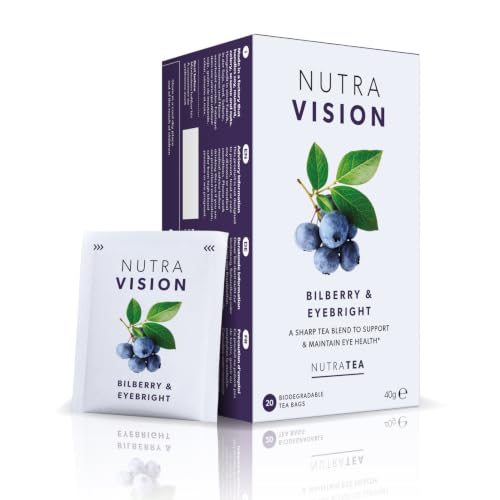
Green tea contains catechins and flavonoids that help protect retinal cells from damage caused by free radicals. Drinking 1 to 2 cups daily provides enough antioxidants without excess caffeine, which can raise eye pressure in susceptible individuals. Bilberry tea supplies anthocyanins that improve night vision and may protect against age-related macular degeneration (AMD). About 1 cup daily is effective.
Goji berry tea is rich in lutein and zeaxanthin, carotenoids that filter harmful blue light and support long-term visual health. Eyebright tea offers anti-inflammatory and astringent effects that may relieve eye strain and irritation. Chamomile tea also reduces ocular inflammation but lacks strong direct evidence for vision improvement.
| Tea | Key Eye Health Compounds | Recommended Daily Intake | Caffeine Content |
|---|---|---|---|
| Green Tea | Catechins, Flavonoids | 1 to 2 cups (8 oz each) | About 30-50 mg per 8 oz |
| Bilberry Tea | Anthocyanins | 1 cup (8 oz) | None |
| Goji Berry Tea | Lutein, Zeaxanthin | 1 cup (8 oz) | None |
| Eyebright Tea | Anti-inflammatory Flavonoids | 1 cup (8 oz) | None |
| Chamomile Tea | Flavonoids, Anti-inflammatory | 1 cup (8 oz) | None |
While green tea does contain caffeine, moderate daily amounts (up to 100 mg) generally don’t harm eye pressure but may affect sensitive individuals or those with glaucoma. Herbal teas are naturally caffeine-free and safe for most people. These teas support eye health by reducing oxidative stress and inflammation but are not cures for eye diseases like glaucoma or cataracts.
Stop or Limit These Teas If You Have Eye Conditions or Medications
Some teas should be limited or avoided if you have certain eye conditions or take medications affecting eye health. Green tea’s caffeine and ginkgo biloba’s blood-thinning effects can interfere with glaucoma treatments and blood thinners. If you have diplopia or ptosis linked to neurological or vascular issues, consult your doctor about tea choices.
Ginkgo biloba may improve blood flow to the eyes but can increase bleeding risk if you are on anticoagulants or antiplatelet drugs. Excessive use could worsen eye inflammation or cause side effects. Limit ginkgo-containing teas and avoid combining them with blood thinners without medical advice.
Green tea is generally good for eye health but its caffeine might aggravate symptoms like eye twitching or diplopia in some people. Switching to caffeine-free herbal teas such as eyebright, chamomile, or goji berry is safer for eye inflammation and irritation.

How to Brew Tea for Maximum Eye Health Benefits
Herbal teas like bilberry and rooibos offer eye health benefits when brewed to preserve their antioxidants. For green tea, which contains eye-protective catechins and l-theanine that may reduce retinal strain, steep at about 175°F (80°C) for 2 to 3 minutes to avoid bitterness and preserve polyphenols.

Bilberry tea, often recommended for macular degeneration, releases anthocyanins best when steeped in water around 200°F (93°C) for 5 to 7 minutes. Rooibos, rich in antioxidants without caffeine, benefits from a longer steep of 7 to 10 minutes in boiling water to maximize flavonoid extraction.
Loose-leaf teas usually contain higher antioxidant levels compared to bagged varieties because the leaves are less crushed, allowing more active compounds to infuse. Using loose leaves also lets you adjust the quantity and quality more precisely for consistent intake.
Adding milk to your tea reduces polyphenol bioavailability by binding antioxidants, so avoid milk if you want the maximum eye health benefits. Consistent daily intake, about 1 to 2 cups, helps maintain steady antioxidant levels in your body, supporting long-term protection against oxidative stress and blue light damage.
Side Effects and Safety of Eye Health Teas
Green tea supports eye health but does not directly improve eyesight. Drinking about 1 to 2 cups daily is safe for most adults, providing antioxidants without excessive caffeine.
Ginkgo biloba tea, sometimes used for vision support, can cause side effects like headaches or dizziness if consumed in excess and may interact with blood-thinning medications. Limit intake to no more than 240 mg of standardized extract daily, and consult your doctor if you are on anticoagulants.
Herbal teas such as chamomile may cause allergic reactions in sensitive individuals, especially those allergic to ragweed or daisies. Stop drinking if you notice rash, itching, or swelling.
Pregnant women and children should avoid high-caffeine teas like green tea and ginkgo biloba due to potential risks. Safer options include caffeine-free rooibos or chamomile, but check with a healthcare provider before regular use.
| Tea Type | Safe Daily Amount | Key Safety Notes |
|---|---|---|
| Green Tea | 1-2 cups (8 oz each) | Contains caffeine; avoid excess |
| Bilberry Tea | 1-2 cups | Generally safe; avoid if allergic |
| Ginkgo Biloba Tea | Up to 240 mg extract | May interact with blood thinners |
| Chamomile Tea | 1-2 cups | Watch for allergies |
| Rooibos Tea | Unlimited | Caffeine-free and generally safe |
Tea Compared to Supplements for Eye Health
Tea supports eye health mainly by providing antioxidants like catechins, lutein, and zeaxanthin that help protect eye tissues from oxidative stress and blue light damage. Among teas, goji berry tea is especially rich in lutein and zeaxanthin, which are key nutrients for producing melanin in the eyes and maintaining retinal health. However, no tea has been shown to directly improve vision already impaired by disease.
Supplements often contain higher concentrations of lutein and zeaxanthin than tea. These carotenoids are standardized in many ocular health supplements to support macular pigment density and may be more effective for people with clinical deficiencies or early age-related macular degeneration (AMD). Tea delivers these antioxidants as part of a complex mix of flavonoids and other compounds, which may provide broader antioxidant and anti-inflammatory effects.
Tea alone has limitations for people with advanced eye diseases. It cannot replace medical treatment or slow severe vision loss. Supplements, guided by an eye care professional, may be necessary to address specific nutrient deficiencies or support retinal health in clinical settings.
Whatever you choose, professional eye care remains essential. Regular eye exams, monitoring for changes in vision, and following your ophthalmologist’s recommendations are crucial for protecting eyesight. Use tea or supplements as complementary strategies, not replacements, for medical care.
If you want to boost your antioxidant intake through tea, start with about 1 cup of goji berry tea daily for lutein and zeaxanthin. For general eye health, green, bilberry, and ginkgo biloba teas offer supportive antioxidants. Supplements can fill gaps when higher doses are advised, especially in early AMD or deficiencies.


