What Sweetener Is in Diet Coke? Safe Use and Details
On this page 8 sections
- Sweetener in Diet Coke and How It Works
- Other Sweeteners in Different Diet Coke Varieties
- Amount of Aspartame in a Serving of Diet Coke
- Additional Ingredients in Diet Coke Besides Sweeteners
- Comparison of Diet Coke, Coke Zero, and Other Diet Sodas
- Who Needs to Be Cautious with Diet Coke Consumption
- Next Steps If You Drink or Plan to Drink Diet Coke
- Frequently Asked Questions
Many people ask what sweetener is in Diet Coke because it claims to have no sugar or calories. Understanding this helps avoid surprises like blood sugar spikes or digestive discomfort.
Aspartame is the main sweetener used, and it differs from sugar in how the body processes it. This article explains exactly what is in Diet Coke and what it means for you.
Sweetener in Diet Coke and How It Works
Aspartame is the sweetener in Diet Coke. It provides sweetness without calories or sugar, making Diet Coke a zero-calorie drink.
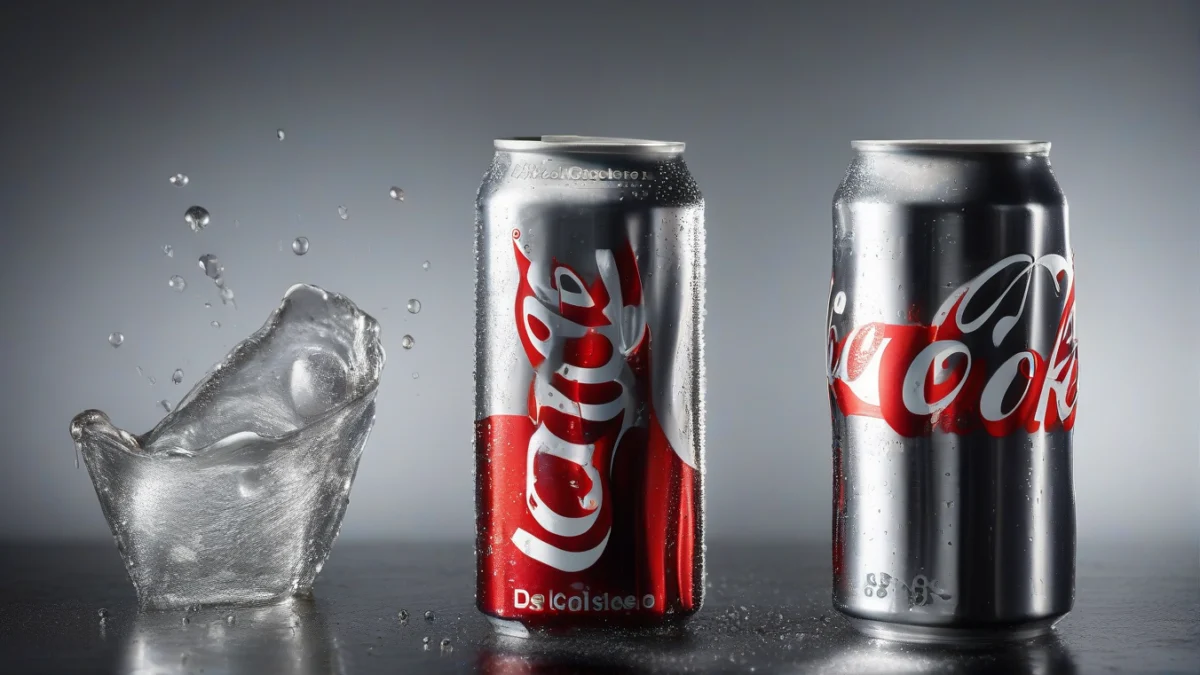
Aspartame is an artificial sweetener made from two amino acids: aspartic acid and phenylalanine. It adds sweetness without calories, making it a common sugar substitute in diet sodas like Diet Coke.
Because aspartame contains phenylalanine, products with aspartame, including Diet Coke, must carry a warning for people with phenylketonuria (PKU). PKU is a rare genetic condition that makes it hard to process phenylalanine safely.
Diet Coke has no sugar or calories because aspartame is many times sweeter than sugar, so only a tiny amount is needed. This means it doesn’t cause a rise in blood glucose, making it different from sugary sodas.
The U.S. Food and Drug Administration (FDA) has approved aspartame as safe for general use after extensive review. Most people can consume it without concern. However, if you have PKU, you should avoid it due to the phenylalanine content.
Diet Coke also contains other ingredients such as caffeine and phosphoric acid, but aspartame is the key ingredient for sweetness. Its use allows Diet Coke to offer a sugar-free alternative to traditional colas.
Other Sweeteners in Different Diet Coke Varieties
Classic Diet Coke uses only aspartame as its artificial sweetener. However, some Diet Coke varieties include additional sweeteners.
Many Diet Coke flavors combine aspartame with acesulfame potassium (Ace-K), another low-calorie sweetener. Ace-K is often added to enhance sweetness and provide a taste profile closer to sugar.
In certain markets, select Diet Coke products use sucralose as a sweetener. Sucralose is also calorie-free and is widely used in diet sodas. It has a different taste profile from aspartame and Ace-K, sometimes described as sweeter and longer-lasting.
Stevia, a natural zero-calorie sweetener derived from plants, is not used in any Diet Coke variety. Instead, it appears in some other diet sodas but not in the Diet Coke line.
These sweeteners all provide sweetness without calories but differ in taste and how the body processes them. Aspartame breaks down into amino acids, while acesulfame potassium and sucralose pass through largely unaltered.
If you’re wondering if Diet Coke has sucralose or is sweetened with stevia, the answer depends on the variety and market. Classic Diet Coke has no sucralose or stevia, but some flavored versions in some countries include sucralose, never stevia.
If you prefer a diet soda sweetened with stevia, you’ll need to choose a brand outside of Diet Coke’s offerings. For more about artificial sweeteners overall, see artificial sweetener.
Amount of Aspartame in a Serving of Diet Coke
Diet Coke contains about 125 mg of aspartame per 12-ounce (355 ml) can. This amount is well below the acceptable daily intake set by regulatory agencies, making it safe for most people when consumed within typical limits.
The U.S. Food and Drug Administration (FDA) has set an acceptable daily intake (ADI) for aspartame of 50 milligrams per kilogram of body weight. For an average adult weighing 70 kg (about 154 pounds), this translates to about 3,500 milligrams daily—far more than the amount in a single can of Diet Coke.
Because Diet Coke contains no sugar or calories, its sweet taste comes entirely from aspartame, a low-calorie artificial sweetener. This makes it a popular choice for people looking to reduce calorie or sugar intake.
For most adults, the aspartame in Diet Coke is safe when consumed within the FDA limits. The one exception is people with phenylketonuria (PKU), a rare genetic condition who must avoid aspartame due to its phenylalanine content.
 Caffeine & Sugar Drink GuideKnow exactly how much caffeine, sugar and sodium is in 150+ popular drinks, and set daily limits that fit you.Caffeine and sugar in 150+ drinksDaily limits, smart swaps and a cut-back planDaily caffeine and sugar calculator (Excel)
Additional Ingredients in Diet Coke Besides Sweeteners
Diet Coke contains about 46 milligrams of caffeine per 12-ounce can. This amount is similar to a typical cup of black tea and is relevant for people limiting their caffeine intake.

Phosphoric acid is another key ingredient, added to provide tartness and acidity. It also supplies phosphorus, an essential mineral for bone and cell health. While regular consumption of phosphoric acid in soda can affect acid balance, the amounts in Diet Coke are within safe regulatory limits.
Potassium benzoate acts as a preservative in Diet Coke. It helps maintain flavor and freshness by preventing microbial growth and slowing oxidation. This food additive is widely used and considered safe by regulatory agencies.
Together, caffeine, phosphoric acid, and potassium benzoate contribute to Diet Coke’s taste and shelf life. People who are sensitive to acidity or caffeine should factor these ingredients into their overall diet.
The artificial sweetener aspartame remains the primary sugar substitute in Diet Coke, delivering sweetness without calories or sugar. The combination of these ingredients creates the distinctive Diet Coke flavor.
Comparison of Diet Coke, Coke Zero, and Other Diet Sodas
Diet Coke sweetens its beverages exclusively with aspartame, a low-calorie artificial sweetener that does not raise blood sugar. Coke Zero uses a blend of aspartame and acesulfame potassium, another zero-calorie sweetener. This difference in sweetener blends contributes to distinct flavor profiles: Diet Coke has a lighter, more citrusy taste, while Coke Zero aims for a flavor closer to classic Coca-Cola.
Coke Zero uses a blend of aspartame and acesulfame potassium (Ace-K) to achieve a taste closer to regular Coca-Cola. In contrast, Diet Coke relies mainly on aspartame, giving it a distinct flavor profile. Both are sugar-free options but differ in sweetener combinations and taste.
The blend of sweeteners in Coke Zero can offer a smoother sweetness that some find less sharp than aspartame alone. Both options are suitable for most special diets that limit sugar or calories, including diabetes-friendly plans, because neither raises blood glucose significantly.
Other diet sodas may use different sweeteners like sucralose or stevia, but aspartame remains the most common artificial sweetener in major cola brands. Comparing ingredients and caffeine content helps you pick the drink best for your taste and dietary needs.
Who Needs to Be Cautious with Diet Coke Consumption
Aspartame in Diet Coke is considered safe for long-term consumption by regulatory authorities such as the FDA, except for people with phenylketonuria (PKU). Individuals with PKU must avoid aspartame because it contains phenylalanine, an amino acid they cannot metabolize properly, which can cause serious health issues.
Whole Foods Market bans both aspartame and potassium benzoate from products it sells, citing their standards for natural ingredients, even though these additives are approved by the FDA as safe food additives. This difference reflects varying definitions of “natural” rather than safety concerns.
Caffeine in Diet Coke can affect those sensitive to stimulants, including pregnant people who are advised to limit caffeine intake to about 200 mg per day. Each 12-ounce can has about 46 mg, so it adds up quickly if you drink multiple servings.
Phosphoric acid in Diet Coke adds tartness but may contribute to dental enamel erosion and trigger acid reflux symptoms in sensitive individuals. If you notice increased heartburn or dental sensitivity, it’s wise to moderate your intake or switch to caffeine-free, acid-free options.
Next Steps If You Drink or Plan to Drink Diet Coke
Diet Coke is sweetened primarily with aspartame, an artificial low-calorie sweetener. It contains no sugar but does have caffeine and phosphoric acid. Check product labels carefully to confirm the sweetener type and any warnings, especially if you have phenylketonuria (PKU), a rare condition that makes aspartame unsafe.
Limit your Diet Coke intake to stay well below the daily aspartame safety limits set by regulators. For most people, this means no more than a few 12-ounce cans a day. If you’re sensitive to caffeine or want to reduce your intake, consider caffeine-free Diet Coke versions.
People with PKU must avoid Diet Coke due to its phenylalanine content. Those with acid reflux or dental concerns should balance Diet Coke with low-acid, low-caffeine drinks to reduce irritation and enamel wear.
If you already drank Diet Coke before learning this, don’t worry—occasional consumption within the limits is safe for most adults. Keep an eye on your total caffeine and artificial sweetener intake from all sources to stay within recommended amounts.