Best Lactose-Free Protein Shakes (2026 Buyer’s Guide)
On this page 7 sections
Lactose-free protein shakes include options made from pea, rice, hemp, or egg protein, as well as lactose-free whey protein isolates.
Finding protein shakes without lactose is crucial for those with dairy sensitivities. Many popular brands now offer delicious lactose-free options that provide muscle-building protein without digestive discomfort.
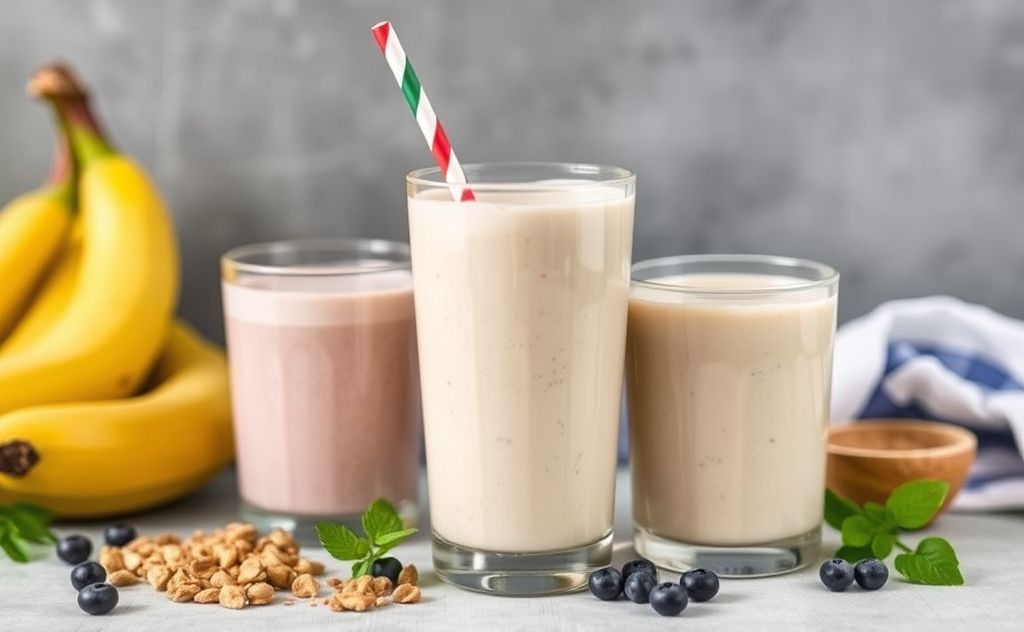
Why Choose Lactose-Free Protein Shakes?
Lactose intolerance affects about 65% of adults worldwide. Symptoms include bloating, gas and stomach pain after consuming dairy. Lactose-free protein shakes solve this problem by either removing lactose from dairy proteins or using plant-based alternatives.
How Lactose is Removed from Protein Shakes
Dairy-based lactose-free shakes use one of three processes:
- Ultrafiltration — Milk is passed through fine filters that trap large protein molecules while allowing smaller lactose and water molecules to pass through. The result is concentrated protein with nearly all lactose removed.
- Lactase enzyme treatment — The enzyme lactase is added to milk, breaking lactose down into two simple sugars (glucose and galactose) that are easy to digest. This is the same process used for lactose-free milk at the grocery store.
- Whey protein isolate — Whey is filtered repeatedly until it reaches at least 90% protein by weight, leaving only trace amounts of lactose (typically under 0.5 grams per serving).
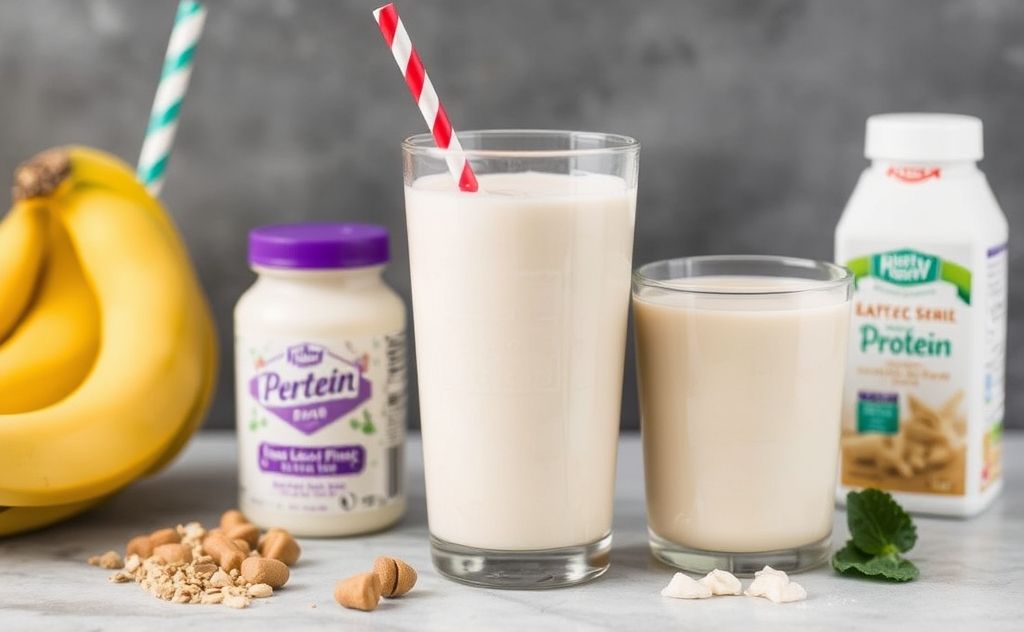
Top Lactose-Free Protein Shake Options
1. Fairlife Core Power
This popular brand uses ultrafiltered milk to create shakes with 26–42g protein per bottle. Available in chocolate, vanilla, banana and strawberry banana flavors. The ultrafiltration process removes most lactose while retaining the natural sweetness of milk, which is why Fairlife needs less added sugar than many competitors.
2. Slate Milk Protein Shakes
Offers 20g protein per serving with 0g added sugar. Their variety pack includes classic chocolate, dark chocolate and french vanilla flavors. Slate uses ultrafiltration similar to Fairlife, but with a thinner, more milk-like consistency that some drinkers prefer.
3. Plant-Based Alternatives
For completely dairy-free options, plant-based shakes use protein sources like pea, brown rice, soy, or hemp. These contain zero lactose by definition. Pea protein is the most common base because it has a complete amino acid profile and a neutral taste that blends well with chocolate and vanilla flavors.
| Type | Protein Source | Example Brands |
|---|---|---|
| Pea Protein | Yellow peas | Vega, Ripple |
| Rice Protein | Brown rice | Sunwarrior, Nutribiotic |
| Hemp Protein | Hemp seeds | Manitoba Harvest |
Key Benefits of Lactose-Free Protein
Easier Digestion
Removing lactose prevents bloating and discomfort while still providing high-quality protein for muscle recovery.
Higher Protein Concentration
Ultrafiltration increases protein content while reducing sugars. Fairlife’s process creates milk with 50% more protein and 50% less sugar than regular milk.
Wider Availability
Once hard to find, lactose-free protein shakes are now available at most grocery stores, pharmacies and online retailers like Check price on Amazon and Walmart.
How to Make Your Own Lactose-Free Shakes
For homemade options, combine these ingredients in a portable blender:
- Lactose-free milk or plant milk (1 cup)
- Protein powder (1 scoop whey isolate or plant protein)
- Frozen fruit (1/2 cup)
- Nut butter (1 tbsp)
- Ice cubes (4-5)
Nutrition Comparison
Here’s how popular lactose-free shakes stack up nutritionally per serving. Note that protein quality matters as much as quantity — milk-based isolates score higher on the PDCAAS scale (1.0) than most plant proteins (0.6–0.9), though soy and pea protein come closest to matching dairy.
| Brand | Calories | Protein | Sugar |
|---|---|---|---|
| Fairlife Core Power | 170 | 26g | 6g |
| Slate Milk | 140 | 20g | 0g |
| Vega Plant Protein | 160 | 20g | 1g |
Who Should Use Lactose-Free Protein?
These shakes benefit multiple groups:
- Athletes with dairy sensitivities
- Older adults with reduced lactase production
- People recovering from stomach issues
- Those following elimination diets
- Vegans (plant-based options)
Red Flags: What to Watch For in Marketing Claims
Be skeptical of labels that say ‘low-lactose’ instead of ‘lactose-free’ — these products may still contain 1–2 grams per serving, enough to trigger symptoms in sensitive individuals. Also watch for ‘made with lactose-free milk’ claims that don’t specify the final lactose content. Reputable brands will state ‘contains less than 0.5g lactose per serving’ or ‘0g lactose.’ Finally, be wary of shakes that add digestive enzymes without disclosing the enzyme type or dose — some enzyme blends are too weak to be effective.