How Much Protein Powder to Mix With Yogurt for Best Texture
On this page 8 sections
- Can You Mix Protein Powder With Yogurt? Yes, Here’s How
- How To Mix Protein Powder Into Yogurt: Step-by-Step
- Variations for Common Health and Taste Needs
- Common Mistakes That Ruin Protein Powder and Yogurt Mixes
- When and Why to Eat Protein Powder Mixed With Yogurt
- Mixing Protein Powder With Greek Yogurt
- Mixing Protein Powder With Yogurt Without Sugar
- Frequently Asked Questions
Mixing protein powder with yogurt is a simple way to boost your protein intake without drinking a shake. The key is to mix carefully to avoid lumps and get a smooth texture.
This guide shows you how to do it right, with the best ratios, mixing order, and powder types for a creamy, tasty snack you can enjoy any time.
Can You Mix Protein Powder With Yogurt? Yes, Here’s How
Yes, you can mix protein powder with yogurt smoothly and safely. Yogurt’s creamy texture and natural fat help prevent the clumping that often happens when you add protein powder to water.

Greek yogurt works especially well because it’s thick and holds the powder evenly, creating a creamy, high-protein snack. The best way to mix is to first make a slurry by blending your protein powder with a small amount of milk or water until smooth. Then stir this into your yogurt to avoid lumps.
The ideal ratio is about one scoop of protein powder (roughly 20–30 grams) to 6 to 8 ounces of yogurt. This ratio keeps the texture creamy without making it too thick or chalky.
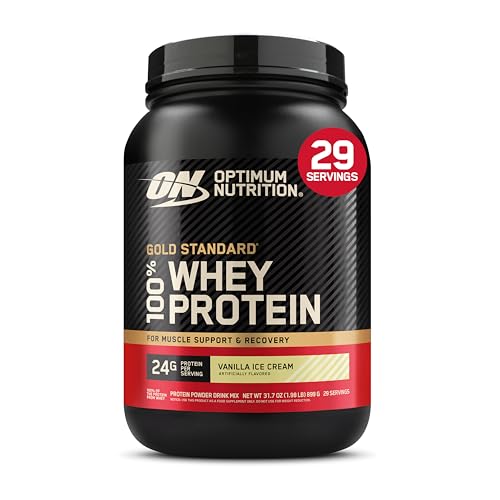
Whey protein isolate powders are often the easiest to blend because they dissolve quickly and have a mild flavor. Flavored powders, like vanilla or chocolate, add taste but can affect texture slightly, so adjust the liquid a bit if needed to keep it smooth.
How To Mix Protein Powder Into Yogurt: Step-by-Step
Greek yogurt is thick enough to hold the powder, so you get a spoonable mix rather than a puddle. Start with 3/4 cup (about 170 g) of plain Greek yogurt and 1 scoop (usually 20–25 g) of protein powder. That ratio keeps the texture thick. If it turns out too stiff, add liquid 1 tablespoon at a time.

- Scoop the protein powder into a small bowl.
- Add 2 to 3 tablespoons of milk or water to the powder and whisk until you get a smooth slurry with no lumps.
- Spoon the Greek yogurt into a larger mixing bowl.
- Pour the slurry into the yogurt and stir gently but thoroughly until the mixture is uniform and creamy.
If the mixture looks dry or crumbly, stir in a splash of milk or water—1 tablespoon at a time—until it loosens. For a smoother texture, let it sit for 5 minutes so the powder hydrates fully. A pinch of salt can make the flavor pop, but skip it if you’re watching sodium.
Variations for Common Health and Taste Needs
Plant protein powders (pea, hemp, rice) often need more liquid because they absorb more water. Start with 2 tablespoons of liquid per scoop and add more if needed. Whey isolates mix in easily; casein blends turn very thick, so use a little extra yogurt or milk.
If you’re watching added sugar, choose a plain protein powder and sweeten with fruit or a little cinnamon. For a dairy-free version, use a thick plant yogurt like coconut or soy; they hold powder well but may need a shorter sit time.
If you have a sensitive stomach or digestive issues, plant-based protein powders like pea, hemp, or brown rice are gentler options. Mixing these with extra liquid such as almond milk or water can prevent the mixture from becoming too thick and easier to digest.
Some people with migraines find that certain protein powders, especially those with artificial sweeteners or additives, can trigger symptoms. Plant-based powders without artificial flavors or sweeteners may be less likely to cause issues, but individual responses vary.
For kidney health concerns, it’s wise to limit protein intake. You can use lower-protein powders or reduce the serving size to avoid overloading your kidneys. Choosing powders specially formulated for kidney-friendly diets ensures safer protein amounts.
Flavor pairings can enhance your mix. Vanilla or chocolate whey powders go well with plain or vanilla yogurt. For plant-based powders, blending in fresh fruit like berries or a dash of cinnamon can brighten the taste. Experiment with combinations to find what suits your palate best.
Common Mistakes That Ruin Protein Powder and Yogurt Mixes
Adding all the powder at once leads to clumps and a dry, pasty texture. Pouring in liquid too fast can make it soupy. And using a protein powder that’s past its date or has been stored in a humid spot can make it clump even more.
Some powders, especially those with added thickeners or high doses of fiber, can turn yogurt into a stiff paste. If that happens, stir in a tablespoon of milk or water. Also, don’t mix protein powder into hot yogurt—heat can make it seize.
Using very thick yogurt combined with casein protein powder often results in a dense, hard texture that can become unpleasant, especially if stored overnight. Mixing with Greek yogurt or adding a bit of liquid helps maintain creaminess.
Some protein powders are already sweetened. Adding extra sweeteners to such mixes can lead to an overpowering sweetness. Taste your powder first and only add sweetener if needed.
Always refrigerate your protein powder and yogurt mix to keep it fresh. Consume it within 24 hours, as the texture and flavor can degrade, and bacteria can grow if left too long.
If your protein and yogurt mix sets hard overnight, it’s usually due to thick yogurt and casein powder firming up. Stirring before eating or adjusting liquid proportions next time can fix this.
When and Why to Eat Protein Powder Mixed With Yogurt
A yogurt-and-protein-powder mix is a convenient high-protein snack or light meal. One serving (3/4 cup yogurt + 1 scoop powder) can deliver 30–40 g of protein, depending on the products. That’s useful after a workout or as a breakfast that keeps you full. But it’s not a magic bullet; total daily protein matters most.
Compared to protein shakes, protein yogurt offers better satiety because its creamy texture and natural fats slow digestion, helping you feel full longer. It also delivers additional nutrients like calcium and probiotics, which support bone health and gut function, benefits you don’t get from most shakes.
The probiotics in yogurt may improve digestion and immune health, while the calcium contributes to stronger bones and muscle function. These factors make protein yogurt a more nutrient-dense option than many shakes, especially if you choose plain or lightly sweetened Greek yogurt.
For freshness and safety, store your protein powder yogurt mix in a sealed container in the refrigerator and eat it within 24 hours. This helps preserve probiotics and prevents the yogurt from spoiling or developing off flavors.
If you want to explore more ways to enjoy protein powders, consider putting protein powder in smoothies for variety and flavor, or learn about different protein types to match your goals effectively.
Mixing Protein Powder With Greek Yogurt
Greek yogurt is a natural fit for protein powder because it’s already thick and high in protein. A 3/4-cup serving of plain Greek yogurt has about 15–20 g of protein, so adding a scoop of powder can push it to 35–45 g. That’s a lot in one bowl, so adjust the scoop size if you’re not used to high-protein foods.
For the best texture with Greek yogurt, use a whey isolate or a fine-milled plant protein. Add the powder in stages and stir well. If you’re using a flavored yogurt, you may not need any sweetener. And if you’re sensitive to lactose, choose a lactose-free Greek yogurt or a plant-based one.
Greek yogurt’s tang pairs well with vanilla, chocolate, or unflavored powders. Whey and casein both work, but casein makes the mix noticeably thicker. If you want a smoother result, use a blender or whisk instead of a spoon.
Mixing Protein Powder With Yogurt Without Sugar
To keep added sugar low, start with plain yogurt and unflavored or lightly sweetened protein powder. Sweeten with fresh fruit, a few drops of vanilla extract, or a pinch of cinnamon. Check labels: some flavored yogurts and protein powders contain 10 g or more of added sugar per serving.
If you want a sweeter mix without sugar, try mashed berries or a spoonful of unsweetened applesauce. A little salt can enhance sweetness, but go easy. And remember that ‘no sugar added’ doesn’t mean sugar-free; the total carbs still count.
To improve flavor without sugar, stir in cinnamon, vanilla extract, or a spoonful of nut butter. Fresh berries add natural sweetness and fiber.