Fruit juices can provide vitamins but often come with high sugar and calories that may hinder weight loss efforts. Choosing juices with naturally low calories and no added sugars helps maintain your calorie goals.
This guide explains what makes a fruit juice low in calories, highlights the best options, and offers practical tips for enjoying juice without undoing your diet.
Which Fruit Juices Are Lowest Calorie and Safe for Weight Loss?
The lowest calorie fruit juices typically have less than 50 calories per 8 oz serving and contain no added sugars, making them suitable for weight loss. Lemon, lime, and unsweetened cranberry juice are some of the best choices when you want a low calorie fruit juice.

These juices naturally contain sugars, but their amounts are low compared to sweeter fruit juices like orange, grape, or apple. For example, 8 oz of lemon or lime juice has about 10 to 15 calories, mostly from natural sugars and small amounts of vitamin C. Unsweetened cranberry juice has roughly 45 calories per 8 oz and also offers antioxidants.
| Fruit Juice | Calories per 8 oz | Key Nutrients |
|---|---|---|
| Lemon juice (unsweetened) | 10-15 | Vitamin C |
| Lime juice (unsweetened) | 10-15 | Vitamin C |
| Cranberry juice (unsweetened) | ~45 | Vitamin C, antioxidants |
| Apple juice (regular) | 110 | Vitamin C |
| Orange juice | 110-120 | Vitamin C, potassium |
| Grape juice | 150 | Vitamin C, antioxidants |
Vegetable juices often have fewer calories than fruit juices because they contain less natural sugar. For weight loss, vegetable juices like tomato or cucumber juice can be better options if you want to limit calories and sugar.
Choosing 100% fruit juices without added sugars is key. Many store-bought juices add sweeteners that significantly increase calories and impact weight loss goals. Check the label to avoid added sugars.
How Fruit Juice Production Influences Calorie Content
Fruit juice can be fresh, cold-pressed, or made from concentrate, and these methods affect calorie content and nutrient levels. Fresh juice is simply the liquid extracted from whole fruits, often retaining more natural vitamins and minerals.
Cold-pressed juice is made by pressing fruits without heat, which preserves more nutrients but usually has similar calories to fresh juice. Juice from concentrate is made by removing water from fresh juice, then later adding water back; this process can sometimes concentrate sugars and calories if sweeteners are added.
Added sugars or flavorings during processing increase calorie content beyond that of pure juice. That’s why 100% juice with no added sugars matters—it provides calories only from the fruit’s natural sugars.
Homemade juices allow you to control ingredients and avoid added sugars entirely. However, they still contain natural fruit sugars, so portion control remains important for weight loss.
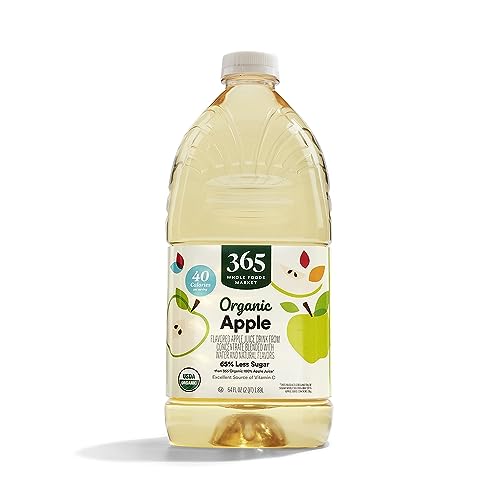
Some low calorie juice brands use cold-pressed methods and no added sugars, which keeps calories down while preserving nutrients. Checking the label is the best way to confirm if a juice brand fits your calorie goals.
Recommended Juice Intake for Supporting Weight Loss
You can enjoy low-calorie fruit juices for weight loss if you stick to about 4 to 6 oz (half to three-quarters of a cup) per serving. This portion helps keep sugar and calories low enough not to stall your progress.
Diluting juice with an equal amount of water or sparkling water cuts calories further and lessens sugar concentration, making it a better choice for weight control. You still get flavor without the same calorie load.
Pairing juice with a protein or fiber-rich snack slows sugar absorption, preventing blood sugar spikes that can lead to fat storage. For example, have a small handful of nuts or some plain yogurt alongside your juice.
Low-calorie fruit drinks like lemon or unsweetened cranberry juice are among the best options, but watch out for sweetened fruit drinks, which can quickly add calories and sugar, derailing weight loss efforts.
People with diabetes or insulin resistance should be more cautious, limiting juice even more or avoiding fruit juices with higher natural sugar content. Check your blood sugar response to juice and discuss with your healthcare provider.
Comparing Vegetable Juices and Infused Waters for Weight Loss
Vegetable juices generally have fewer calories than fruit juices. For example, cucumber and celery juice contain about 10 to 20 calories per 8 oz, much lower than most fruit juices that start near 40 calories per 8 oz.

Infused waters are simply water flavored with slices of fruits, herbs, or vegetables without adding sugars or calories. Seltzers are carbonated waters without sweeteners or calories, making both excellent low-calorie hydration choices.
| Drink Type | Calories |
|---|---|
| Lemon or Lime Juice (unsweetened) | Less than 15 |
| Cucumber Juice | About 12 |
| Celery Juice | About 14 |
| Unsweetened Cranberry Juice | About 45 |
| Infused Water (fruit/herbs) | 0 |
| Seltzer Water | 0 |
Choosing vegetable juices or infused waters helps reduce calorie intake and supports hydration without the sugar load of fruit juices. They’re especially good if you want a refreshing drink with almost no calories.
Pick these options over fruit juices when you’re focused on strict calorie control or need to manage blood sugar closely. Vegetable juices provide some vitamins and minerals with fewer carbs, while infused and seltzer waters keep you hydrated with zero calories.
Common Myths and Facts About Low-Calorie Fruit Juices
You can find fruit juices that are low in calories and fit into a weight loss plan. Lemon, lime, and unsweetened cranberry juices often have under 50 calories per 8 oz serving and no added sugars.
It’s a common belief that fruit juice is always better than whole fruit for weight loss, but whole fruit has fiber that juice lacks. This fiber helps you feel full longer and slows sugar absorption, supporting weight control.
Among juices, the lowest calorie options to drink without adding too many calories include lemon and lime juice diluted with water, and unsweetened cranberry juice. These provide flavor and antioxidants with minimal calories.
Checklist Before Choosing or Drinking Fruit Juice for Weight Loss
Look for lemon, lime, or unsweetened cranberry juice as your best low-calorie juice drinks. These usually have fewer than 50 calories per 8 oz serving and no added sugars, making them top picks for weight loss.
Diluting juice can stretch your drink further and reduce calorie load. Adding a small handful of nuts or a plain yogurt alongside juice helps balance blood sugar and keeps hunger at bay.
Organic juices may have fewer pesticides and no artificial additives, but their calorie content is similar to conventional options. Reduced-sugar versions help if you’re watching sugar intake closely.


