Choosing between apple juice from concentrate and not from concentrate (NFC) often feels like picking between two nearly identical products. Both say “100% juice,” but their paths from apple to bottle are quite different.
This comparison breaks down those differences clearly, explaining how processing affects nutrients, taste, price, and storage. You’ll see which option suits your health goals, budget, and use.
From Concentrate vs Not From Concentrate at a Glance
| Factor | From Concentrate | Not From Concentrate |
|---|---|---|
| Processing method and impact | Water is evaporated then re-added, causing heat exposure | Pressed and pasteurized without water removal |
| Vitamin C and nutrient retention | Loses about 20-40% of vitamin C during concentration | Retains more vitamin C and heat-sensitive nutrients |
| Taste and texture differences | Heat alters flavor, taste is less fresh | Tastes fresher with more natural apple flavor |
| Sugar content and additives | No added sugar or preservatives in pure concentrate | May have no additives but varies by brand |
| Shelf life and storage | Longer shelf life, stable at room temperature | Shorter shelf life, often requires refrigeration |
| Price and environmental impact | More economical to store and ship due to less volume | Higher cost due to storage and transport needs |
| Best uses | Ideal for recipes, long-term storage, and cost savings | Best for drinking fresh and preserving natural flavor |

Nature Blessed Apple Juice Concentrate
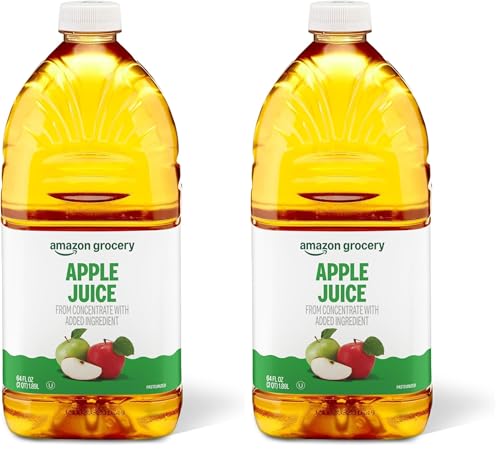
Amazon Grocery Apple Juice From Concentrate
What “From Concentrate” Means for Apple Juice
Apple juice from concentrate is made by removing most of the water from fresh apple juice, creating a thick syrup called concentrate. This process involves heating the juice under vacuum to evaporate water, concentrating sugars and flavors to about 68-70 brix. Later, water is added back during reconstitution to return the juice to its original strength, about 11.8 brix, before packaging.
The heat used during evaporation reduces heat-sensitive nutrients like vitamin C and enzymes, which can lower the juice’s nutritional value. The flavor often develops a cooked or caramelized note from heating; some brands mix in fresh juice or add natural flavors to soften these changes.
Apple juice concentrate ingredients typically include concentrated apple juice syrup and water. No extra sugars or preservatives are necessarily added, though some labels may list natural flavors.
Concentrate is popular because it takes up less storage space and ships more efficiently, making it a cost-effective choice for bulk buyers and manufacturers. Its longer shelf life before opening is another advantage.
| Step | What Happens |
|---|---|
| Press fresh apples | Juice is extracted from apples |
| Evaporate water | Heat and vacuum remove water to concentrate juice |
| Store concentrate | Thick syrup stored or shipped |
| Reconstitute | Water is added back to reach original juice strength |
| Package | Juice from concentrate is bottled for sale |
Processing and Storage of Not From Concentrate Juice
Not from concentrate (NFC) apple juice is pressed directly from fresh apples and pasteurized without removing water. This avoids the evaporation step, preserving more of the juice’s natural flavor, nutrients, and enzymes.
Because NFC juice doesn’t go through concentration, it retains slightly higher vitamin C and protein levels, as these nutrients are sensitive to heat and processing. The taste is brighter and fresher, with cleaner acidity and a fuller mouthfeel compared to concentrate.
NFC juice needs to be kept cold throughout processing, transport, and sale to prevent spoilage. Refrigerated unopened shelf life typically runs from 60 to 90 days. After opening, it must be refrigerated and consumed quickly.
Often sold in aseptic packaging, NFC juice can be shelf-stable until opened but still requires refrigeration afterward. Its shorter shelf life and cold chain needs generally make it more expensive than concentrate.
| Characteristic | From Concentrate | Not From Concentrate (NFC) |
|---|---|---|
| Water removal | Yes, by evaporation | No |
| Heat exposure | Higher, during concentration | Lower, only pasteurization |
| Vitamin C retention | Reduced by 20-40% | Higher retention |
| Flavor | Cooked or caramelized notes | Brighter, fresher taste |
| Storage | Room temperature, long shelf life | Refrigerated, shorter shelf life |
Vitamin C and Nutritional Differences Between Concentrate and NFC
Not from concentrate (NFC) apple juice usually contains about 2 to 3 mg of vitamin C per 8 oz glass, roughly 2-3% of the daily recommended intake. Concentrate juice loses about 20-40% of its vitamin C during evaporation, which involves heat exposure that degrades this sensitive nutrient.
Pasteurization, used in both types, does reduce some nutrients but less dramatically than concentration. For example, cranberry juice pasteurization cuts vitamin C slightly but does not strip it completely.
Potassium content remains fairly stable; concentrate apple juice typically keeps most of its potassium, providing around 200 mg per 8 oz serving, important for heart and muscle function.
Besides vitamin C, antioxidants like polyphenols and enzymes also decline more in concentrate juice due to heat during processing. These compounds offer modest health benefits but are not present in high enough amounts to rely on apple juice as a primary source.
Cloudy apple juices, whether concentrate or NFC, retain more antioxidants because they include more pulp and sediment. Choosing a cloudy variety helps preserve these beneficial compounds.
If you have a sensitive health condition or need the freshest nutrients, NFC juice is preferable due to gentler processing. Still, for most people, the nutritional differences between concentrate and NFC apple juice are modest and not a major concern.
Sugar Content and Additives: What to Expect on the Label
Both from concentrate and not from concentrate apple juices contain about 24 grams of natural sugar per 8-ounce serving. This sugar comes mainly from fructose and glucose naturally present in apples.
Products labeled “100% juice” cannot have added sugars under FDA rules. So, neither concentrate nor NFC apple juices labeled this way include added sweeteners.
Some concentrate juices use an ‘essence recovery’ process to add back aroma compounds lost during concentration. This method restores flavor but does not add sugar or nutrients.
Check the ingredient list for ‘natural flavors’ on concentrate juices. These may mask flavor changes caused by heat processing but do not indicate added sugars.
The ingredients in apple juice concentrate typically include concentrated apple juice syrup and water for reconstitution, with no added sugars or preservatives if labeled pure.
Understanding the difference between concentrate and NFC on labels helps avoid confusion, especially since both can be labeled as 100% juice despite their processing differences.
| Drink | Added sugar per serving | Servings | Total |
|---|---|---|---|
| 8 oz apple juice from concentrate | 24 g | 1 | 24 g |
| Total | 24 g | ||
| Daily limit (36 g) | 67% | ||
Taste, Texture, and Best Uses for Each Juice Type
Apple juice from concentrate tastes noticeably different from not from concentrate (NFC) juice, mainly because of the heat involved in concentration. Concentrate juice is sweeter and rounder, often carrying subtle caramel or honey notes from the heating process. In contrast, NFC juice tastes fresher and brighter, with a cleaner apple flavor and a more acidic edge that reflects fresh-pressed apples.

Texture also varies: NFC apple juice has a fuller mouthfeel, feeling thicker and more substantial on the palate. Concentrate juice can taste thinner or lighter depending on how much water is added back during reconstitution and the brand’s formulation.
Concentrate juice works well in cooking, baking, and brewing, or when making large batches where the subtle flavor loss is less noticeable. Its sweeter, rounder profile can complement recipes that balance or mask that warmth. On the other hand, NFC apple juice is preferred for drinking straight or using in cocktails, where the fresher profile adds brightness and complexity.
| Characteristic | From Concentrate | Not From Concentrate |
|---|---|---|
| Flavor | Sweeter, rounder, caramel/honey notes | Fresher, brighter, more acidic, cleaner apple |
| Texture | Thinner, variable mouthfeel | Fuller, richer mouthfeel |
| Best Uses | Cooking, baking, brewing, bulk batches | Straight drinking, cocktails, fresh flavor focus |
Shelf Life, Price, and Environmental Impact Compared
Apple juice concentrate has a much longer shelf life than NFC juice. Unopened concentrate can last 12 months or more at room temperature, while NFC juice typically lasts only 60 to 90 days and must be refrigerated to stay safe and fresh.
The need for refrigeration during transport and storage drives up the cost and environmental impact of NFC juice. Refrigerated shipping requires more energy, which increases carbon emissions compared to concentrate juice that ships without water weight.
Concentrate juice is more economical to store and ship because removing water reduces volume and weight, making transportation more energy-efficient and lowering its carbon footprint. NFC juice costs about 30 to 50% more per gallon, reflecting the extra cold chain logistics and shipping heavier liquid.
Choose concentrate juice if budget or environmental concerns matter most, especially when buying in bulk or for cooking, where the longer shelf life and lower cost add convenience and value.
| Factor | From Concentrate | Not From Concentrate |
|---|---|---|
| Shelf Life Unopened | 12+ months at room temperature | 60-90 days refrigerated |
| Storage Needs | No refrigeration required | Requires refrigeration |
| Transport | Less energy, lighter, smaller volume | Higher energy, heavier, larger volume |
| Cost | Lower per gallon | 30-50% higher per gallon |


