Say you want to make your own apple juice at home but only have concentrated apple juice on hand. A single quart of concentrate can make almost two gallons of regular-strength juice when diluted as recommended. This means the concentrate is about 6.5 times stronger than single strength juice.
Understanding what concentrated apple juice is helps you use it safely, control sugar intake, and compare it with regular or not-from-concentrate juices.
Definition of Concentrated Apple Juice
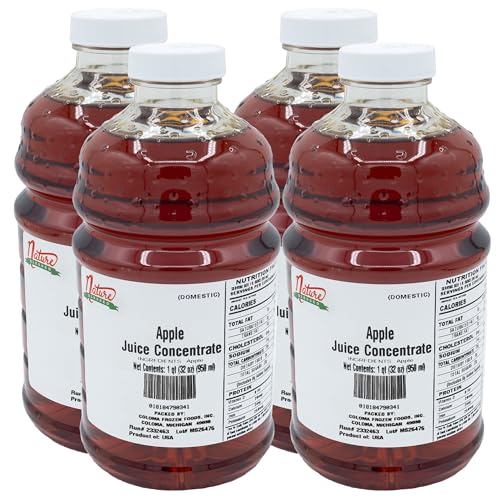
Concentrated apple juice is apple juice with most of its water removed, making it about 6.5 times stronger than regular juice. This process produces a thick, sweet syrup called apple juice concentrate or apple juice from concentrate.

Apple juice concentrate is made by evaporating water from fresh apple juice under controlled heat to avoid damaging flavor and nutrients. This removal of water increases the concentration of sugars and acids naturally present in the juice.
Unlike juice not from concentrate, which is pasteurized and bottled without water removal, concentrate is dense and typically needs dilution before drinking. Pure apple juice concentrate contains no added sugar or preservatives—just apple juice with less water.
Producers sell concentrate to food manufacturers and consumers for reconstituting by adding water back, or as an ingredient in beverages, baked goods, and sauces. The typical concentration factor is about 6.5, meaning 1 part concentrate makes roughly 6.5 parts regular juice when diluted.
The label term “apple juice from concentrate” means the juice started as concentrate and was later diluted to single-strength juice. This differs from “not from concentrate” juices that skip the evaporation step.
You can use concentrated apple juice by mixing one part concentrate with about 6.5 parts water for drinking, or add it directly to recipes for sweetness and apple flavor without extra sugar or additives.

Sugar and Acidity Levels in Concentrated Apple Juice
Apple juice concentrate has higher sugar and acidity per ounce than regular apple juice because most water is removed. This means it tastes much sweeter and is more acidic in concentrated form.

The sugar concentration in apple juice concentrate can be about 6.5 times that of single-strength juice, as the natural sugars are concentrated along with the water removal. This results in a high sugar content per fluid ounce in the concentrate itself.
Acidity also increases with concentration, which can be an issue for people with acid reflux or sensitive tooth enamel. The higher acid level means the undiluted concentrate is more likely to cause irritation than regular juice.
Vitamin C levels in concentrate may be lower than in fresh juice due to heat exposure during evaporation. This nutrient loss is typical of juice processing, so concentrate is not a reliable source of vitamin C.
Diluting the concentrate back to single-strength juice reduces sugar and acidity to levels similar to regular apple juice, making it less likely to cause digestive or dental problems when consumed as intended.
People with diabetes should limit intake of apple juice concentrate because of its high sugar content. Those prone to acid reflux or dental erosion should also be cautious with undiluted concentrate or drinks made from it.
| Form | Sugar per 8 oz (approximate) | Acidity |
|---|---|---|
| Apple juice concentrate (undiluted) | ~130 g | High |
| Reconstituted apple juice (1:6.5 dilution) | ~20 g | Moderate, similar to regular juice |
| Regular apple juice (not from concentrate) | ~24 g | Moderate |
Cautions for Drinking Concentrated Apple Juice
People with diabetes should be cautious with concentrated apple juice because it contains a high amount of sugar per ounce. One small glass can quickly raise blood sugar levels, so monitoring your total sugar intake from all sources is key.
Apple juice concentrate usually has moderate potassium levels, about 150 mg per 8 oz serving, which matters if you have kidney disease and need to limit potassium. Check your diet plan and doctor’s advice before including it regularly.
If you have acid reflux or gastroesophageal reflux disease (GERD), concentrated apple juice may irritate your esophagus more than regular juice. Its higher acidity can worsen symptoms like heartburn or throat discomfort.
Diluting concentrate with water helps reduce the sugar and acid impact, making it easier to tolerate. Try mixing equal parts concentrate and water or adding ice to lower the strength before drinking.
Alternatives for sensitive individuals include fresh pressed apple juice with no added sugar, which tends to be less acidic, or apple juice labeled as “not from concentrate,” which often has a milder flavor and lower sugar concentration.
Comparison of Concentrated and Other Apple Juices
Concentrated apple juice is made by removing most of the water from fresh juice, creating a thicker, sweeter product. In contrast, “not from concentrate” apple juice is pasteurized but keeps the water content similar to fresh juice, preserving a more natural flavor.
| Type of Juice | Sugar (g per 8 oz) | Acidity (pH) | Vitamin C (mg per 8 oz) |
|---|---|---|---|
| Concentrated Apple Juice (reconstituted) | 28 | 3.4 | 2 |
| Not From Concentrate Apple Juice | 24 | 3.8 | 6 |
| Fresh Pressed Apple Juice | 22 | 4.0 | 8 |
Shelf life varies. Concentrated juice concentrate lasts longer when stored sealed, often months frozen or refrigerated before reconstitution. Fresh pressed juice spoils fastest and usually stays fresh only a few days refrigerated.
Taste and texture differ noticeably. Concentrate is sweeter and thicker after reconstitution, while fresh pressed juice has a lighter, crisper flavor and thinner texture. Not-from-concentrate juice strikes a middle ground, with a smoother, less intense taste than concentrate.
The term “not from concentrate” means the juice was not concentrated by water removal but still pasteurized and sometimes filtered. It retains more of the original juice’s natural components and often tastes closer to fresh juice, though it may have added preservatives.
What To Do Next If You Have Concentrated Apple Juice
Apple juice from concentrate means juice that has had most of its water removed and is then usually rehydrated before drinking. Concentrate is made solely from fresh apple juice that’s evaporated to a thick syrup, without added sugars or preservatives in pure products.
You can use regular apple juice instead of concentrate, but it’s less sweet and less acidic because it contains natural water. Concentrate packs more flavor and sugar per ounce, so recipes or drinks call for dilution to match fresh juice strength.
If you have health conditions like diabetes, acid reflux, or kidney concerns, discuss your juice intake with your healthcare provider. They can advise if you need to limit quantity or avoid concentrate to manage blood sugar, acidity, or potassium load.
Using concentrated apple juice carefully lets you enjoy its flavor and versatility without unintended health effects. If you experience symptoms like stomach irritation, blood sugar spikes, or allergic reactions after drinking concentrate, stop use and seek medical advice.


