Coffee Over Cardio: Safe Amounts and How It Works
On this page 6 sections
Coffee Over Cardio is a phrase that captures the idea of prioritizing coffee consumption to support your fitness routine. It’s not about skipping exercise but about using caffeine’s metabolic and cognitive effects to enhance your workouts and daily energy.
Coffee is made by brewing roasted coffee beans, which releases caffeine and other compounds. Understanding how coffee interacts with your body and exercise can help you avoid common mistakes like overdoing caffeine or ignoring hydration.
What Coffee Over Cardio Means
Coffee Over Cardio means using coffee’s caffeine to boost your fitness efforts instead of relying solely on cardio exercise. It involves timing coffee intake to raise energy and speed metabolism around workouts.
Coffee is made from roasted beans and contains caffeine, antioxidants, and natural acids. Caffeine acts as a stimulant that can increase alertness and enhance physical performance by promoting fat burning and delaying fatigue.
Typically, people drink about 1 to 2 cups of coffee—roughly 8 to 16 ounces—about 30 minutes before exercise to get the best effect. This timing allows caffeine to enter your bloodstream and start working right when you need the extra boost.

Not everyone should try Coffee Over Cardio without caution. If you have heart problems, anxiety disorders, or are sensitive to caffeine, this approach might cause unwanted side effects like jitteriness or increased heart rate.
Safe Coffee Amounts Before Cardio
About 1 to 2 cups of coffee, or 8 to 16 ounces, taken around 30 minutes before cardio is generally safe for most adults. This amount provides enough caffeine to enhance workout energy without going over safe daily limits.
An 8-ounce brewed coffee typically contains 80 to 100 mg of caffeine. Most healthy adults can safely consume up to 400 mg of caffeine daily, so exercise-related coffee fits well within this limit.
| Serving Size | Approximate Caffeine Content |
|---|---|
| 8 oz brewed coffee | 80–100 mg |
| 12 oz brewed coffee | 120–150 mg |
Drinking too much coffee too close to exercise can cause jitters, stomach upset, or a racing heart. It can also mildly increase urine output, so staying hydrated with water is important.
Coffee Compared to Other Fitness Drinks
Coffee generally offers a more straightforward caffeine source than energy drinks, tea, or soda, with fewer added sugars and additives. A typical 8 oz cup of brewed coffee contains about 95 mg of caffeine, which is less than many energy drinks but more than most teas and sodas.
Energy drinks can pack 80 to 200 mg of caffeine per serving, often accompanied by 20 to 30 grams of sugar, which causes a rapid blood sugar spike followed by a crash. This sugar surge provides a quick energy burst but can reduce endurance and lead to fatigue during longer workouts.
Coffee contains almost no sugar unless you add it yourself, so it supports steadier energy levels without the sugar highs and lows. Tea’s caffeine content varies widely but is usually lower, around 20 to 60 mg per 8 oz cup, making it a gentler option for sustained energy.
Sodas often have caffeine levels similar to tea (about 30 to 50 mg per 12 oz can) but come loaded with sugar, which can impair fitness performance and hydration. Their acidity tends to be higher than coffee’s, which may increase digestive discomfort or acid reflux risk.
Coffee’s acidity is moderate and varies by brew method, but energy drinks and sodas are usually more acidic, potentially irritating the stomach and esophagus if consumed before exercise. Tea is typically less acidic, which is why some people with reflux tolerate it better than coffee.
Another consideration is caffeine variability. Coffee’s caffeine content is somewhat predictable when brewed at home, but energy drinks and sodas can have inconsistent amounts, and ingredient transparency is often limited. Some energy drinks add stimulants like taurine or guarana, which can amplify effects unpredictably.
| Beverage | Caffeine per Serving (mg) | Sugar per Serving (g) |
|---|---|---|
| 8 oz brewed coffee | 95 | 0 (unsweetened) |
| 8 oz black tea | 40 | 0 (unsweetened) |
| 8 oz energy drink | 80-200 | 20-30 |
| 12 oz cola soda | 30-50 | 39 |
 Caffeine & Sugar Drink GuideKnow exactly how much caffeine, sugar and sodium is in 150+ popular drinks, and set daily limits that fit you.Caffeine and sugar in 150+ drinksDaily limits, smart swaps and a cut-back planDaily caffeine and sugar calculator (Excel)
People Who Should Limit Coffee Before Cardio
If you have a heart condition, you should limit caffeine intake because it can raise heart rate and blood pressure temporarily, which might trigger palpitations or other symptoms. Talk to your cardiologist before using coffee to boost exercise.
Coffee’s acidity can worsen acid reflux or gastroesophageal reflux disease (GERD), especially if consumed before or during exercise. If you notice heartburn or chest discomfort, consider lower-acid coffee or decaf options to reduce irritation.
Certain medications, including thyroid drugs like levothyroxine, can interact with coffee. Caffeine and compounds in coffee might affect absorption or metabolism, so it’s best to space coffee intake at least an hour apart from your medication dose.
People with anxiety disorders or sensitivity to caffeine may also experience increased nervousness or sleep difficulties when combining coffee and cardio. Adjust your intake or timing accordingly.
For personalized advice and to assess risks related to your specific health situation, consult your healthcare provider. They can recommend whether coffee over cardio fits your routine or suggest safer alternatives.
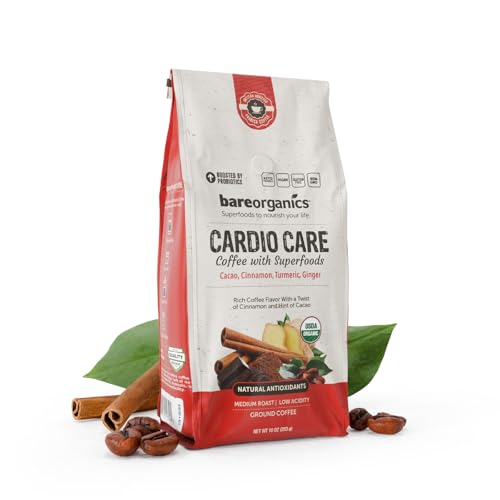
Low-acid coffee blends and decaffeinated options can reduce reflux risk while still providing some flavor and warmth. These may suit sensitive individuals better, especially around workout times.
Checklist Before Your Next Coffee and Cardio Session
Use this coffee before exercise checklist to get the benefits without the downsides. Confirm your caffeine tolerance and keep your total daily intake under about 400 mg, which is roughly 4 cups of brewed coffee for most adults.
Time your coffee intake to about 20 to 40 minutes before your cardio session. This window lets caffeine peak in your bloodstream to boost energy and focus during exercise.
Drink water alongside coffee to stay hydrated. Coffee’s caffeine can have a mild diuretic effect, so balance each cup with at least 8 oz of water before and after your workout.
Avoid added sugars, creamers, or flavored syrups that add calories and may counteract your fitness goals. Black coffee or a splash of milk is usually best.
If you have a sensitive stomach or reflux, choose low-acid or specially formulated functional coffee blends. They reduce irritation while still delivering caffeine to power your workout.