How Energy Drinks Damage Your Kidneys (And What to Drink Instead)
On this page 6 sections
Energy drinks are popular for a quick energy boost but come with hidden risks for your kidneys. The combination of caffeine, sugar, and acidity means your kidneys must work harder to filter these substances.
Damage builds slowly and without pain at first, so knowing how energy drinks affect your kidneys and what to choose instead can protect your health.
How Energy Drinks Damage Your Kidneys And What To Drink Instead
Energy drinks can harm your kidneys if you drink them daily in high amounts. Limit yourself to no more than 1 can (about 16 oz) a day to reduce risk; occasional use is less harmful.
Energy drinks typically contain 80 to 180 mg of caffeine and 20 to 30 grams of sugar per 12 to 16 oz can. This combination makes your kidneys work overtime to filter and process these substances.
Caffeine causes temporary spikes in blood pressure and increases your kidney’s filtration rate. This heightened workload stresses kidney tissue, potentially leading to damage if repeated regularly.
High sugar intake adds to kidney strain by increasing the demand to process excess glucose, which over time can contribute to chronic kidney disease. The acidity of these drinks, usually around pH 3, can irritate kidney cells and worsen injury.
Drinking energy drinks daily over several months can cause irreversible kidney damage by promoting chronic inflammation and scarring. These effects also raise concerns about how energy drinks might affect bone health by altering calcium balance.
Safer alternatives have much lower caffeine content, no added sugar, and often include ingredients supportive to kidney function. Hydrating with water or herbal teas reduces kidney strain compared to energy drinks and supports overall kidney health.
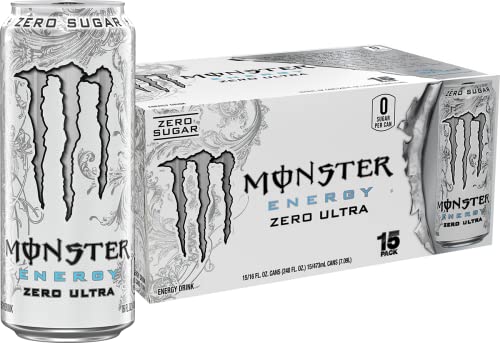
Keep your energy drink intake to one can daily or less. If you already drank more, increase your water intake to help your kidneys process the load more efficiently.
| Component | Typical Amount per 16 oz Can |
|---|---|
| Caffeine | 80-180 mg |
| Sugar | 20-30 g |
| Acidity (pH) | ~3 |
| Drink | Caffeine per serving | Servings | Total |
|---|---|---|---|
| 16 oz energy drink | 120 mg | 1 | 120 mg |
| Total | 120 mg | ||
| Daily limit for most healthy adults (400 mg) | 30% | ||
Who Should Avoid Or Limit Energy Drinks More Strictly
People with chronic kidney disease or reduced kidney function should avoid energy drinks entirely. Their kidneys cannot handle the extra stress from caffeine and sugar.
Those with high blood pressure or heart conditions face higher risks from caffeine-induced spikes in blood pressure, which can worsen their health and further burden the kidneys.
Pregnant and breastfeeding women should limit caffeine intake to 200 mg per day or less to protect both their kidneys and the baby’s development.
If you’re sensitive to caffeine, side effects like jitteriness, rapid heartbeat, or sleep problems can occur even at lower doses. These symptoms signal kidney stress and should guide stricter limits.
Combining energy drinks with protein shakes or other stimulants further increases kidney workload. Protein shakes can raise kidney filtration demand, so together with energy drinks, this can accelerate kidney damage.
People with pancreatitis should avoid energy drinks because caffeine and additives can worsen inflammation and pain. Always check with your care team before drinking energy drinks if you have this condition.
Always discuss your health conditions and medications with your healthcare provider before consuming energy drinks. They can advise you based on your kidney health and overall risks.
Side Effects And How Much Causes Kidney Issues
Drinking Monster energy drinks and similar products can cause side effects that add stress to your kidneys and liver. The high caffeine and sugar content increase blood pressure and kidney workload, especially when consumed in large amounts daily.
Caffeine doses above 400 mg a day raise the risk of high blood pressure and kidney strain. Since one 16 oz can of Monster often contains around 160 mg of caffeine, drinking more than two cans daily can push you past this limit.
Added sugar is another concern. Consuming more than 25 to 36 grams of sugar daily adds metabolic stress and extra work for your kidneys. A single energy drink can contain 20 to 30 grams of sugar, quickly reaching or exceeding this threshold.
Energy drinks also cause dehydration if not balanced with water intake, which worsens kidney function. The caffeine acts as a mild diuretic, increasing fluid loss.
Early warning signs of kidney stress include foamy urine, swollen ankles, fatigue, and muscle cramps. If you notice these symptoms after drinking energy drinks, it’s a sign to cut back and consult a healthcare provider.
Long-term daily consumption over years can lead to irreversible chronic kidney disease. Studies also link excessive energy drink intake to liver damage risk, adding to your overall health burden.
 Caffeine & Sugar Drink GuideKnow exactly how much caffeine, sugar and sodium is in 150+ popular drinks, and set daily limits that fit you.Caffeine and sugar in 150+ drinksDaily limits, smart swaps and a cut-back planDaily caffeine and sugar calculator (Excel)
Check The Label For Added Sugar, Caffeine, And Acidity
The risks of drinking Monster energy drinks and similar products come largely from their caffeine, sugar, and acidity levels. Checking the label carefully helps you control kidney stress.
Sugar content varies widely, from 0 grams in sugar-free options to over 30 grams per can. High sugar adds to kidney workload and metabolic strain.
Caffeine content ranges from about 80 mg to 180 mg per serving. Since your safe daily limit is about 400 mg for most adults, tallying your total caffeine from all sources is essential.
Acidity matters too. Energy drinks typically have a pH around 3, which can irritate kidneys and the urinary tract over time.
Some energy drinks contain herbs or natural caffeine sources like green tea extract. Their effects on kidneys vary, and they still contribute caffeine and acidity.
Sugar-free options lower sugar intake but still contain caffeine and acid, so they carry some kidney risk.
Compare labels to find drinks with lower sugar and moderate caffeine. Ignore marketing claims; ingredient lists and nutrition facts show what really affects your kidneys.

| Component | Typical Range per 12-16 oz can |
|---|---|
| Sugar | 0 to 30+ g |
| Caffeine | 80 to 180 mg |
| Acidity (pH) | Around 3 |
| Added herbs or extracts | Varies: green tea, ginseng, etc. |
Safer Drinks To Protect Your Kidneys
Water is the safest and most kidney-friendly drink you can choose. Staying well hydrated helps your kidneys filter waste without extra strain, so aim for about 8 cups (64 oz) spread throughout the day unless your doctor advises otherwise.
Herbal teas without caffeine or added sugar make a gentle alternative. Chamomile, peppermint, or rooibos teas add flavor without taxing your kidneys or raising blood pressure.
Low-sugar electrolyte drinks support hydration during exercise or illness without the excess sugar and caffeine found in energy drinks. Look for options with minimal additives and less than 5 grams of sugar per serving.
Moderate coffee intake is better than energy drinks for kidney health if you skip added sugars and creamers. Limit yourself to about 1 to 2 cups (8 to 16 oz) a day, as caffeine still mildly stresses the kidneys.
Juices like cranberry or beet juice may support kidney function by reducing bacterial growth or improving blood flow. However, watch sugar content and oxalate levels, especially if you have a history of kidney stones or are on a restricted diet.
Avoid drinks with artificial additives, high sugar, or excessive caffeine, since they increase kidney workload and raise blood pressure. This includes most energy drinks, many sodas, and sweetened coffee beverages.
Choose drinks tailored to your kidney health stage and personal tolerance. If you have chronic kidney disease or other conditions, your care team can recommend the safest fluids for you.
Celery juice is not clearly beneficial for kidneys and contains compounds that may affect kidney stone risk. Beet juice can be helpful in moderation but may raise oxalate levels that some people need to limit.