What Can You Make With A Champion Juicer
On this page 7 sections
- Uses of the Champion Juicer
- How to Use Your Champion Juicer for Nut Butters and Baby Foods
- Top Juicing Recipes for the Champion Juicer
- Ways to Reuse Juice Pulp From the Champion Juicer
- How to Make Frozen Sorbets and Desserts With the Champion Juicer
- How to Clean and Maintain Your Champion Juicer for Longevity
- Frequently Asked Questions
The Champion Juicer is a powerful masticating machine made for extracting juice, plus making nut butters, frozen desserts, and purees. Knowing all it can do helps you get the most from your purchase and enjoy a variety of healthy homemade foods.
Many users focus only on juice extraction and miss out on the machine’s ability to process nuts, frozen fruits, and cooked legumes, or to reuse the leftover pulp creatively. This guide covers what you can make, how to reuse pulp, and maintenance tips to keep your Champion running smoothly.
Uses of the Champion Juicer
The Champion Juicer can make a variety of foods and drinks beyond typical juice. It produces fruit and vegetable juices, nut butters, sorbets, purees, and baby food, thanks to its masticating and homogenizing functions.
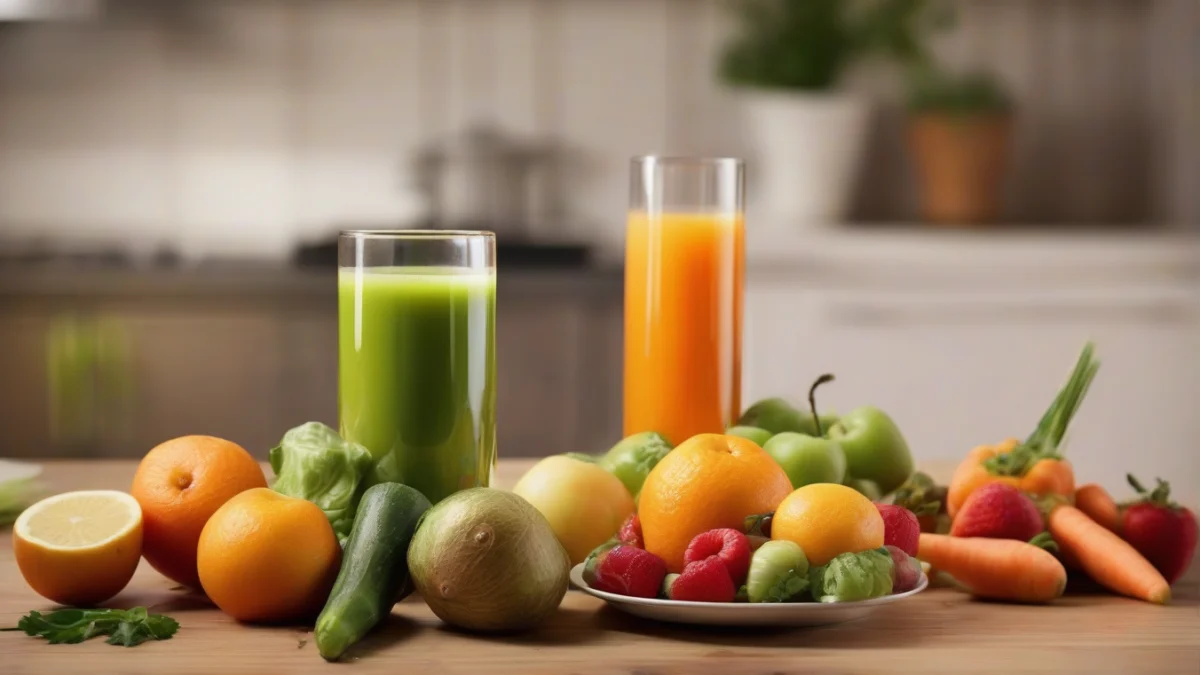
This juicer is a masticating model, meaning it crushes and grinds produce slowly to extract juice with minimal heat and oxidation. This process preserves more nutrients and yields more juice compared to centrifugal juicers, which spin fast and generate heat that can degrade delicate enzymes and vitamins.
The Champion Juicer’s homogenizing blank attachment lets you make smooth textures like sorbets and purees by finely grinding frozen fruits or cooked vegetables. This versatility sets it apart from juicers that only separate juice from pulp.
You can also make nut milks by grinding soaked nuts and straining the mixture using a nut milk bag, creating fresh, additive-free dairy alternatives at home.
Juicing with the Champion leaves behind pulp that retains fiber. That pulp can be reused in cooking or baking to boost dietary fiber intake, helping you reduce waste while enriching meals.
Champion juicer recipes range from simple cold-pressed juices to more complex preparations like nut butters and baby food purees, making it a multi-functional kitchen tool for health-conscious users.
How to Use Your Champion Juicer for Nut Butters and Baby Foods
To make nut butters and baby foods with your Champion Juicer, first remove the juicing screen and install the homogenizing blank attachment. This setup allows the juicer to grind ingredients into smooth, creamy textures instead of separating juice from pulp.
Use roasted nuts without added oils or stabilizers to make pure nut butters. Roasting nuts enhances flavor and loosens oils, making the grinding process easier and the taste richer. You can add a pinch of salt or cinnamon for extra flavor if you like.
For baby food purees, steam or cook vegetables and fruits until soft, then feed them through the juicer with the steam juicer homogenizing blank. The result is a smooth, easily digestible puree without added preservatives or thickeners.
An optional grain mill attachment can be installed on some Champion models to grind grains into flours, expanding your kitchen’s homemade baking options.
Champion juicer nut butter is a natural, additive-free alternative to store-bought spreads. Similarly, the juicer’s meat grinder attachment, described elsewhere, lets you process fresh meat at home safely and conveniently.
Top Juicing Recipes for the Champion Juicer
Champion juicer recipes work best when you combine fruits and vegetables to balance flavor, nutrition, and juicer performance. Starting with blends like apple, cucumber, and carrot offers hydration and natural sweetness without stressing the motor.
Juicing leafy greens like kale alone can cause the juicer to clog or produce juice lacking fiber and protein. Mixing kale with milder greens or fruits prevents auger jams and supports balanced nutrition.
The Champion Juicer’s powerful motor handles tougher produce well, but peeling citrus before juicing is optional. You can juice whole oranges or lemons with peels for extra nutrients and flavor, though thick peels might add bitterness.
To get the best yield, feed produce slowly into the chute and avoid overloading the juicer. Foam from vegetables like celery is normal; stir the juice or let foam settle before drinking.
Fresh juice should be consumed within 24 hours. Store it in a tightly sealed glass container in the fridge to preserve nutrients and taste as much as possible.
 Home Juicing Starter KitMake fresh juice that tastes good, costs less and keeps safely: 40 recipes with exact amounts, a yield chart and a 4-week plan.40 juice, smoothie and shot recipesYield, storage and food-safety chartsCost, yield and shopping-list calculator (Excel)
Ways to Reuse Juice Pulp From the Champion Juicer
Juice pulp from the Champion Juicer contains fiber and residual nutrients that support digestion and balanced nutrition. Reusing pulp reduces waste and adds bulk to meals.
Depending on the produce, pulp texture varies: apple pulp is softer, while carrot pulp is denser. Both work well in cooking and baking.
Incorporate pulp into muffins, soups, and veggie burgers to boost fiber intake. You can also dehydrate pulp to make flour, which extends its shelf life and adds nutrition to baked goods.
Using a sieve or fine mesh strainer with your Champion Juicer can help separate pulp for recipes that require a smoother texture, improving cooking results.
Balancing juice with pulp intake ensures you get both juice’s vitamins and pulp’s fiber, avoiding the downsides of juicing alone.
How to Make Frozen Sorbets and Desserts With the Champion Juicer
Frozen sorbets and desserts are easy with the Champion Juicer’s homogenizing blank attachment. Swap the juicing screen for this blank and use the press to push frozen fruit chunks through the auger, transforming them into smooth sorbet.
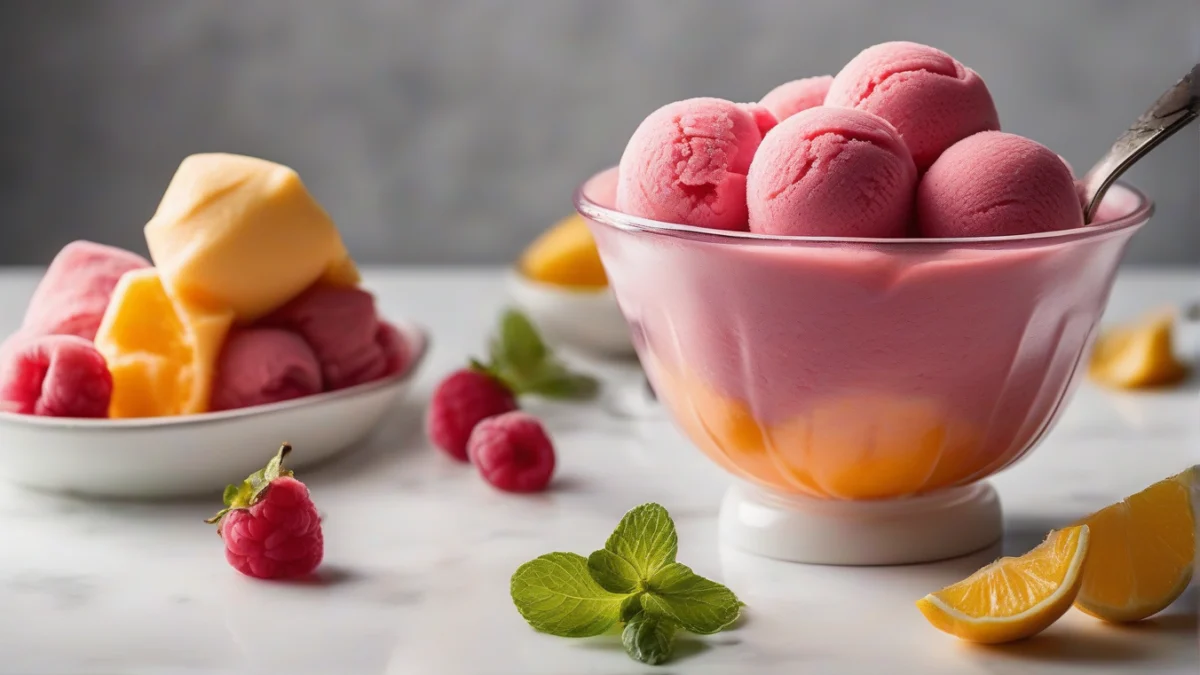
Banana nice cream is a favorite: freeze peeled bananas in chunks, then process them with the homogenizing blank. No added sugar or dairy is needed since bananas provide natural sweetness and creaminess. You can vary flavors by adding frozen berries, cocoa powder, or a splash of vanilla extract before juicing.
Work in small batches to keep the fruit cold and prevent thawing, which can make sorbet watery. About 1 to 2 cups of frozen fruit per batch works well. Use the food pusher steadily but gently, allowing the juicer motor to do the work without strain.
Serve the sorbet immediately for a soft texture or freeze it briefly to firm up. Spoon into bowls or cones, and garnish with fresh fruit or a sprinkle of chopped nuts for added texture and flavor.
How to Clean and Maintain Your Champion Juicer for Longevity
Cleaning your Champion Juicer immediately after use extends its life and maintains performance. Disassemble the parts and rinse them under warm running water to remove pulp and juice residues before they dry.
Use the included nylon brush to scrub the juicing screen gently. Avoid steel wool or abrasive tools, which can damage the screen’s fine mesh and reduce juicing efficiency.
Thoroughly dry all parts with a clean towel or air dry to prevent rust, especially on the metal components. Moisture left on parts can cause corrosion over time.
Schedule a deep clean every month by soaking the screen and removable parts in a solution of citric acid or vinegar diluted with water. This removes mineral buildup and keeps the juicer running smoothly.
Apply food-grade mineral oil lightly to the auger shaft monthly. This reduces friction and wear, helping the motor work efficiently and prolonging the life of moving parts.
Replace wear parts like the screen, auger, and seals every 3 to 5 years, depending on use. The Champion Juicer does not have blades to sharpen, so regular maintenance and part replacement keep it functioning well long term.