What Is a Steam Juicer and How Does It Make Clear Juice?
On this page 6 sections
A steam juicer is a distinctive kitchen tool that lets you make large amounts of clear fruit juice without peeling or chopping. Unlike other juicers, it uses steam to gently release juice, resulting in a bright, sediment-free liquid ideal for canning or syrup bases.
This article explains how a steam juicer works, what fruits suit it best, how it compares to other juicers, and practical tips for use and cleanup.
What a Steam Juicer Is and How It Works
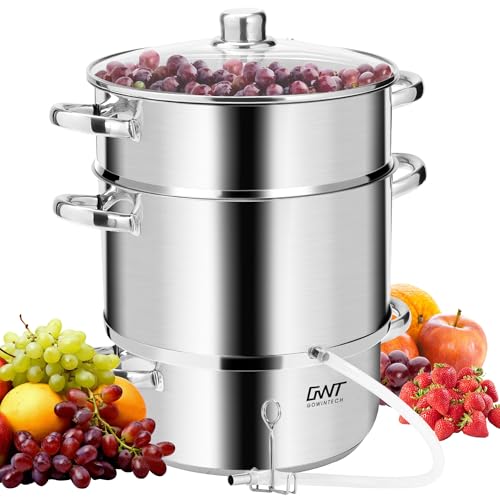
A steam juicer is a special pot designed to extract clear juice from fruit by using steam heat. The bottom chamber holds water, which is heated to produce steam. This steam rises into a perforated basket holding the fruit, gently heating and softening it. Juice then drips down through a spout into a separate container, leaving pulp and seeds behind. For more on juicing, see champion juicer.

The steam juicer has a three-tier design: the bottom pot holds water that produces steam, the middle pot collects the juice, and the top pot is a basket that holds the whole or quartered fruit.
Steam juicers use heat to break down fruit cells and release juice without crushing or pressing. This method yields clear juice with minimal pulp. Because the juice is heated during extraction, it is naturally pasteurized, which helps preserve it longer without refrigeration initially.
Because the juice is heated by steam during extraction, it is effectively pasteurized. This reduces bacteria and enzymes that cause spoilage, allowing the juice to be bottled hot for longer storage without refrigeration.
A clear silicone or plastic hose attached to the middle pot lets you drain the juice easily without disturbing the juice or pulp.
| Tier | Function |
|---|---|
| Bottom pot | Holds water to generate steam |
| Middle pot | Collects juice dripping from fruit |
| Top basket | Holds fruit to be steamed and juiced |

Fruits Best Suited for Steam Juicing
You can use a steam juicer to get juice from many fruits, including muscadines, grapes, apples, berries, and tomatoes. These fruits release clear juice well when steamed.

Fruits best suited for steam juicing are those with high water content and sturdy skins, such as grapes, cherries, berries, and currants. These fruits release juice easily when steamed and produce clear juice without much cloudiness. Softer fruits or those with thick skins may not yield as much clear juice.
Stone fruits like peaches, plums, and cherries produce cloudy juice because their juice contains more suspended solids. This makes the juice less clear and more like a puree.
Leafy greens and fibrous vegetables don’t work well in steam juicers. Their juice yield is low and often cloudy or bitter because steam can’t break down their tough cell walls effectively.
Don’t overfill the fruit basket. Filling it too full blocks steam circulation around the fruit, reducing juice yield and slowing the process.
Comparing Steam Juicing with Cold Press Juicing
A steam juicer delivers clear, sediment-free juice, unlike cold press juicers that make cloudy juice containing pulp and fiber. The steam method uses heat to break down fruit cells gently, releasing juice that is naturally filtered by a mesh strainer, resulting in a clean appearance without sediment.
Unlike cold press juicers that crush and press fruit to extract juice, steam juicers rely on heat and steam to soften fruit and release clear juice. Cold press juicers preserve more enzymes and nutrients by avoiding heat, but steam juicers deliver naturally pasteurized juice ready for canning or immediate use. Each has advantages depending on your priorities.
Nutrient retention differs between the two. Cold press juicing preserves enzymes and heat-sensitive vitamins because it avoids high temperatures. Steam juicing subjects fruit to heat, causing some loss of vitamin C and enzymes, though minerals and certain antioxidants remain largely intact.
The heat in steam juicing also pasteurizes the juice, extending its shelf life when bottled hot and sealed properly. Cold press juice, being raw, has a shorter fridge life and often needs refrigeration or freezing soon after pressing.
Cleanup tends to be simpler with a steam juicer because the juice collects in a single container and the parts are straightforward to rinse. Cold press juicers have many small components and filters that trap pulp, requiring more thorough cleaning to avoid mold or clogging.
| Feature | Steam Juicer | Cold Press Juicer |
|---|---|---|
| Juice clarity | Clear, sediment-free | Cloudy, contains pulp and fiber |
| Batch size | Several quarts per batch | Smaller, usually under 1 quart |
| Nutrient retention | Some heat-sensitive loss | High enzyme and vitamin preservation |
| Shelf life | Longer due to pasteurization | Short, needs refrigeration |
| Cleanup | Simple parts, easy rinse | Multiple parts, detailed cleaning |
What to Know About Using and Maintaining a Steam Juicer
To use a steam juicer, fill the bottom chamber with water and bring it to a boil. Place washed fruit in the perforated basket above, then cover with the lid. Steam will soften the fruit and juice will collect in the middle chamber, draining through a spout. Clean the juicer thoroughly after each use to prevent residue buildup and maintain performance.
Cutting larger fruits into smaller pieces speeds up juice extraction by allowing steam to penetrate more evenly. For example, quarter apples before loading the basket to get juice faster.
Avoid using a steam juicer on fruits with very low water content or those that produce thick pulp, as they may clog the spout or result in cloudy juice. Also, do not leave the juicer unattended while heating to prevent water from boiling dry, which could damage the pot or cause safety hazards.
If you use hard water, descale the juicer’s water chamber as mineral deposits build up. White vinegar or a commercial descaling solution works well for this purpose, applied according to manufacturer instructions.
Inspect the hose clamp for wear or looseness before each use to avoid leaks. Replace it if you notice cracking or loss of grip, ensuring a tight seal for safe operation.
Situations to Avoid or Limit Steam Juicing
Limit steam juicing if you need to preserve heat-sensitive nutrients or enzymes, as the process uses high temperatures. People with reflux or acid sensitivity might find the naturally tart juices more irritating. If you have these concerns, try diluting the juice with water or choosing lower-acid fruits.
Leafy greens and very soft fruits don’t work well in a steam juicer. They release chlorophyll and fine particles that cloud the juice, defeating the purpose of clear juice extraction. For these, a vegetable fruit juicer or cold press juicer is a better choice.
Muscadine grapes can be juiced in a steam juicer effectively; their thick skins and firm pulp hold up well to the steam process, yielding clear and flavorful juice without sediment.
People who want shelf-stable juice for canning or long storage benefit from the pasteurization steam juicing provides. It reduces spoilage bacteria and extends the juice’s safe fridge life without added preservatives.