You’ve probably downed a glass of cranberry juice at the first tickle of a urinary tract infection, hoping it would head things off. That instinct isn’t wrong, but the real story runs deeper than UTI prevention. The compounds that make cranberries tart also happen to be some of the most studied antioxidants in the food supply, and they influence everything from blood pressure to how your cells age.
This article breaks down what those antioxidants actually are, how they work in your body, and—just as important—how to buy a product that still contains them. Most bottles labeled “cranberry juice” are sugar water with red dye. You’ll learn to spot the difference in under a minute.
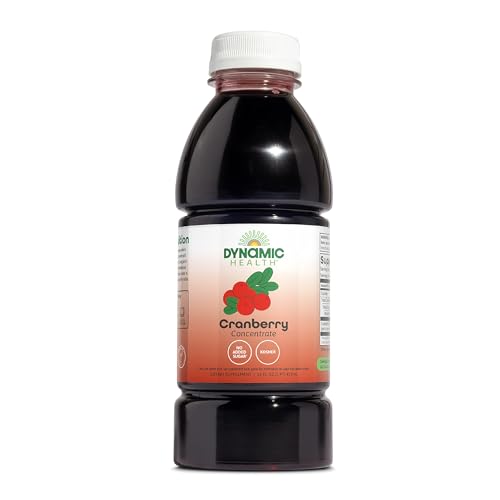
Dynamic Health
DYNAMIC HEALTH 100% Cranberry Juice Concentrate, 16…
- POTENT ANTIOXIDANT. Cranberries contain nutrients like vitamins C and E, plus the added power of the antioxidant quercetin. Antiox…
- COUNT ON CRANBERRY. You’ve probably heard that cranberries are great for urinary tract health. That’s because of proanthocyanidins…
- NO ADDED SUGAR. Our Cranberry Juice Concentrate is made without sweeteners or added sugar. It’s also Vegetarian, Gluten-Free, BPA-…
If you want a clean starting point, best ways to consume the concentrate form. One product worth a look is Dynamic Health 100% Cranberry Juice Concentrate, which packs about 4,000 cranberries per 16-ounce bottle and skips added sugar entirely. It’s a practical option if you want the antioxidant dose without the syrup.

What Makes Cranberry Juice a “Powerhouse” Antioxidant?
Cranberries contain a family of compounds called polyphenols, and within that family, the stars are proanthocyanidins (PACs). These are condensed tannins that give the berry its astringent bite. Unlike vitamin C, which your body uses up quickly, PACs stick around in your bloodstream for hours and keep neutralizing free radicals.
Free radicals are unstable molecules that steal electrons from your cells, causing oxidative stress. Over time, that damage contributes to aging, arterial stiffness, and chronic inflammation. Antioxidants donate an electron without becoming unstable themselves, which breaks the chain of damage.
Here’s a number to keep in mind: cranberries rank among the top fruits for total polyphenol content per serving, beating apples, bananas, and even grapes. A 100-gram serving of raw cranberries delivers roughly 327 mg of anthocyanins and PACs combined. That’s a serious payload for a fruit most people only eat around Thanksgiving.
The Science of Proanthocyanidins (PACs): How They Work
PACs are unique because they have a specific shape that interferes with bacterial adhesion. The bacteria responsible for most UTIs—E. coli—use tiny hair-like projections to latch onto the walls of your urinary tract. PACs bind to those projections and make the bacteria slip off and get flushed out when you pee.
That mechanism was confirmed in a landmark 2026 study published in the Journal of Antimicrobial Chemotherapy, and it’s been replicated many times since. The key detail: only certain types of PACs, called A-type linkages, have this anti-adhesion effect. Cranberries are one of the few foods that contain A-type PACs in meaningful amounts. Blueberries, for comparison, contain mostly B-type PACs, which don’t work the same way.
So when you drink cranberry juice, you’re not just flooding your system with generic antioxidants. You’re delivering a targeted compound that physically blocks bacteria from setting up shop. That specificity is why cranberry extract shows up in clinical trials for UTI prevention, while other berry juices don’t.
Top 5 Antioxidant Benefits Backed by Research
Urinary Tract Health (UTI Prevention)
The evidence here is solid, though not absolute. A 2026 Cochrane review of 24 studies found that cranberry products reduced the risk of recurrent UTIs in women by about 26%. The effect was strongest in women with a history of frequent infections, not in elderly people or those with catheter-associated UTIs.
For the prevention to work, you need a consistent daily dose of PACs—roughly 36 mg per day. That translates to about 8 to 16 ounces of pure, unsweetened cranberry juice. Sipping a glass only when symptoms appear won’t do much, because the anti-adhesion effect fades within hours.
Cardiovascular Protection & Blood Pressure
Oxidative stress is a major driver of arterial damage. When LDL cholesterol gets oxidized, it becomes more likely to stick to artery walls and form plaques. The antioxidants in cranberry juice help prevent that oxidation step.
A 2026 meta-analysis in Advances in Nutrition pooled data from seven clinical trials and found that cranberry consumption significantly reduced both systolic blood pressure (by about 3 mm Hg) and LDL cholesterol (by about 5 mg/dL). Those numbers sound small, but a 3 mm Hg drop in systolic pressure cuts stroke risk by roughly 8% at the population level.
The polyphenols also stimulate the release of nitric oxide, which relaxes blood vessel walls and improves flow. That’s the same pathway that makes beets and dark chocolate heart-healthy, but cranberries bring their own antioxidant profile to the table.
Cellular Aging & Skin Health
Your skin is constantly attacked by UV radiation and environmental pollutants, both of which generate free radicals. The quercetin and vitamin C in cranberry juice act as a secondary defense system, mopping up those radicals before they break down collagen and elastin.
One small study in Journal of Nutrition found that drinking 500 mL of cranberry juice daily for two months increased plasma antioxidant capacity and reduced markers of oxidative DNA damage in healthy adults. DNA damage is the root cause of premature aging, so keeping those markers low matters.
It’s not a fountain of youth, but it’s a legitimate anti-aging strategy that costs less than most serums.
Comparing Antioxidant Levels: Pure Juice vs. Cocktail vs. Extract
Not all cranberry products are equal. The table below shows typical ORAC values (a lab measure of antioxidant capacity) and PAC content for common forms.
| Product Type | ORAC per 100 mL | PACs per Serving | Added Sugar | Best For |
|---|---|---|---|---|
| 100% pure juice (unsweetened) | ~1,500 | 36 mg per 8 oz | None | Daily UTI prevention |
| Juice cocktail (30% juice) | ~500 | 10 mg per 8 oz | ~30 g | Occasional taste treat |
| Sweetened dried cranberries | ~900 | 5 mg per 40 g | ~26 g | Snacking, not therapy |
| Concentrate/extract (liquid) | ~3,000 | 100+ mg per 1 oz | None | High-dose antioxidant use |
| Capsule supplement | Varies | 36–72 mg per capsule | None | Convenience, no sugar |
The takeaway: a cocktail gives you about a third of the antioxidants and four times the sugar of pure juice. If you’re drinking cranberry for health, the cocktail is basically a soft drink with a health halo. Check the label for “100% juice” and no added sweeteners.
For a deeper look at how cocktail blends differ from pure juice, read this cranberry juice comparison.
The Hidden Pitfalls: Sugar Content and Nutrient Loss
Here’s the uncomfortable truth about commercial cranberry juice: it’s often more sugar than fruit. Ocean Spray’s classic cocktail contains about 28 grams of added sugar per 8-ounce serving—that’s seven teaspoons. Drinking that daily for your “antioxidants” is like eating a candy bar to get your vitamin C.
The sugar paradox gets worse. High sugar intake actually increases oxidative stress and inflammation, which cancels out the antioxidant benefit. You’d be net negative on the oxidative stress scale.
Processing also matters. Pasteurization, which all shelf-stable juices undergo, degrades some heat-sensitive polyphenols. The loss is modest—roughly 15–20%—but it’s real. Cold-pressed or fresh-squeezed cranberry juice retains more, though it spoils faster. The concentrate form is a middle ground: it’s processed but concentrated, so you get more PACs per drop.
If you’re diabetic or on keto, your best bet is a liquid concentrate or capsule supplement. You get the PACs without the sugar spike. Diluting a concentrate with water and a splash of lemon works well—check out these benefits of diluting juice for more on that strategy.
Who Should Avoid It? Blood Thinners, Kidney Stones, Oxalates
Cranberry juice is not risk-free, and the warnings go beyond the usual “drink in moderation” caveat.
Warfarin (Coumadin) interaction: Cranberry juice contains vitamin K, which plays a role in blood clotting. Warfarin works by blocking vitamin K-dependent clotting factors. Drinking large amounts of cranberry juice can increase the INR (a measure of clotting time) and raise bleeding risk. The interaction is dose-dependent—a single glass is usually fine, but a quart a day is not. If you’re on warfarin, talk to your doctor before making cranberry juice a daily habit.
Kidney stones: Cranberries are high in oxalates, natural compounds that bind with calcium in the urine to form calcium oxalate stones—the most common type. People with a history of oxalate stones should limit cranberry intake to occasional use, not daily. Interestingly, cranberry juice also raises urine acidity, which helps prevent struvite stones, so the net effect depends on your stone type.
Stomach sensitivity: The high acidity of pure cranberry juice can irritate gastritis or acid reflux. If that’s you, dilute the juice with water or try a supplement form instead.
How to Choose the Right Product (Label Reading Guide)
Here’s a quick checklist you can use in the grocery aisle. It takes twenty seconds.
- Look for “100% juice” on the front label. If it says “cocktail,” “blend,” or “drink,” walk away.
- Check the ingredient list. It should contain one item: cranberry juice (or cranberry juice concentrate). No high-fructose corn syrup, no “natural flavors,” no red dye.
- Count the sugar. Unsweetened cranberry juice has about 4 grams of naturally occurring sugar per 8 ounces. Anything above 10 grams per serving means added sugar.
- Look for PAC content. Some premium brands list proanthocyanidins on the label. You want at least 36 mg per serving for UTI prevention.
- Prefer glass over plastic. Polyphenols can react with plastic over time, especially if the bottle sits in sunlight. Glass preserves antioxidant activity longer.
One more tip: don’t fall for “cranberry flavored” water or sparkling drinks. Those typically contain flavoring and a tiny amount of juice, not enough to matter.
Practical Dosage: How Much is Actually Effective?
For general antioxidant support, 4 to 8 ounces of pure juice daily is plenty. That gives you a solid polyphenol dose without overloading on natural sugar.
For UTI prevention, the clinical trials used 8 to 16 ounces of pure juice daily, or a 36 mg PAC capsule twice a day. The effect accumulates over weeks—you can’t load up on Sunday and expect Monday to be protected.
For cardiovascular benefits, the research suggests 500 mL (about 17 ounces) daily for at least 8 weeks. That’s a lot of tart juice, so many people prefer a concentrated extract. A 1-ounce shot of concentrate mixed with water delivers the same PACs as a full glass of juice.
Start low if you’re new to cranberry juice. The tartness can be jarring, and the acidity might upset your stomach at first. Mix it with water or sparkling water, and gradually increase over a week.
Common Mistakes to Avoid
Three errors show up constantly when people try to use cranberry juice for health.
Mistake one: drinking cocktail thinking it’s juice. You’re getting sugar with a splash of cranberry. Read the label before you buy, not after.
Mistake two: using it to treat an active UTI. Cranberry juice prevents bacterial adhesion; it doesn’t kill bacteria that have already colonized. If you have burning, urgency, or fever, see a doctor. Cranberry is not a substitute for antibiotics.
Mistake three: assuming all cranberry products are equal. Dried cranberries have almost no PACs left after processing, and the added sugar makes them a poor choice. Stick with pure juice, concentrate, or capsules.
Summary: The Verdict on Cranberry Juice
Cranberry juice earns its reputation, but only when you drink the right kind in the right amount. The A-type proanthocyanidins are genuinely rare and genuinely effective at blocking bacterial adhesion and fighting oxidative stress.
- Choose 100% pure, unsweetened juice or a concentrate—skip anything labeled “cocktail.”
- Aim for 36 mg of PACs daily for UTI prevention; 8 ounces of pure juice covers that.
- For heart health, 17 ounces daily for two months showed measurable blood pressure and LDL reductions.
- If you’re on warfarin or have kidney stone history, talk to your doctor first.
- Diabetics and keto dieters should use a concentrate or supplement to avoid the sugar load.
- Check the ingredient list every time—brands change recipes without notice.
- Refrigerate after opening and use within two weeks to preserve antioxidant activity.
One last thought: cranberry juice is a tool, not a miracle. It works best as part of a diet rich in colorful plants, not as a standalone fix. Drink it, enjoy the tart bite, and let the PACs do their quiet work.


