Cranberry Juice Antioxidants: Benefits & Science Explained
On this page 8 sections
- What Makes Cranberry Juice Antioxidant-Rich?
- The Science of Proanthocyanidins (PACs)
- Proven Health Benefits of Cranberry Juice
- How Much Cranberry Juice Do You Actually Need?
- Cranberry Juice vs. Cocktail vs. Supplements: What to Choose
- Potential Side Effects and Medication Interactions
- Final Verdict: Is Cranberry Juice Worth It?
- Frequently Asked Questions
You pour a glass of cranberry juice thinking you are doing something good for your body. And you are. But the story is more complicated than a simple antioxidant badge. Most commercial cranberry drinks are loaded with added sugar, which quietly cancels out the benefits. The real value lies in specific compounds called proanthocyanidins (PACs) and how they behave in your body.
This article breaks down what cranberry juice antioxidants actually do, the science behind them, and how much you need to drink to get a measurable effect. You will also learn why type A PACs matter for urinary tract health and how to pick a product that delivers benefits without the sugar crash.
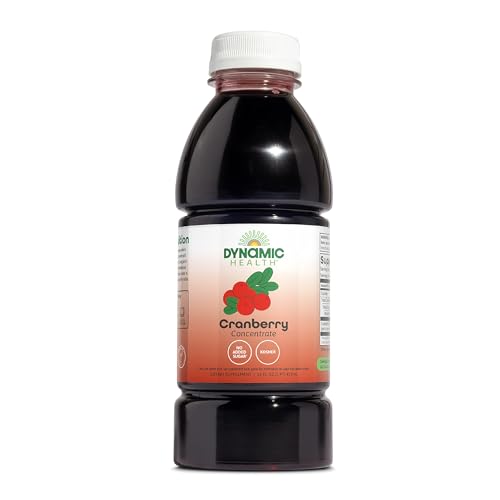
Dynamic Health
DYNAMIC HEALTH 100% Cranberry Juice Concentrate, 16…
- POTENT ANTIOXIDANT. Cranberries contain nutrients like vitamins C and E, plus the added power of the antioxidant quercetin. Antiox…
- COUNT ON CRANBERRY. You’ve probably heard that cranberries are great for urinary tract health. That’s because of proanthocyanidins…
- NO ADDED SUGAR. Our Cranberry Juice Concentrate is made without sweeteners or added sugar. It’s also Vegetarian, Gluten-Free, BPA-…

What Makes Cranberry Juice Antioxidant-Rich?
Cranberries are one of the few fruits that pack a serious antioxidant punch per calorie. A 100-gram serving of raw cranberries delivers about 9,300 ORAC units, a lab measure of antioxidant capacity. That is higher than blueberries and roughly double the value of strawberries. But ORAC scores do not tell the whole story. The type of antioxidants matters more than the total number.
Key Antioxidant Compounds in Cranberries
Cranberries contain a mix of polyphenols, flavonoids, and anthocyanins. Each group does slightly different work in your body.
- Proanthocyanidins (PACs): These are the star players. They are large molecules that bind to bacterial fimbriae, the little hooks bacteria use to stick to your urinary tract walls.
- Quercetin: A flavonoid with strong anti-inflammatory properties. It is also found in onions and apples, but cranberries have a respectable amount.
- Anthocyanins: These give cranberries their red color. They act as scavengers for free radicals and support blood vessel function.
- Vitamin C: Cranberries naturally contain about 13 mg per 100 grams. That is not huge, but it works alongside the polyphenols.
- Benzoic acid: A natural preservative that also contributes to the tart flavor and has mild antimicrobial effects.
The combination of these compounds is what makes cranberry juice unique. Most fruits give you one or two of these. Cranberries give you all of them in one glass.
If you want a product that delivers these compounds without added sugar, a concentrated option like Dynamic Health 100% Cranberry Juice Concentrate is worth looking at. It packs roughly 4,000 cranberries per bottle and skips the sweeteners entirely.
The Science of Proanthocyanidins (PACs)
PACs are oligomeric flavonoids, which means they are chains of smaller flavonoid units linked together. The length of the chain and the type of bond between units determine how the body uses them.
Here is the critical detail: PACs come in two forms, type A and type B. The difference is a single chemical bond. Type A PACs have a double linkage between the flavonoid units. Type B PACs have a single linkage. That small structural change makes a big biological difference.
Type A vs. Type B PACs — Why It Matters
Type A PACs are the ones that interfere with bacterial adhesion. They physically block E. coli from attaching to the lining of the urinary tract. Type B PACs do not have this anti-adhesion effect, at least not to the same degree.
Cranberries are one of the few fruits that contain significant amounts of type A PACs. Blueberries, for comparison, mostly contain type B PACs. That is why cranberry juice has a specific reputation for urinary tract health that blueberries do not share.
Research suggests you need at least 36 mg of type A PACs per day to see a meaningful reduction in UTI recurrence. A standard glass of pure cranberry juice contains roughly 50 to 100 mg of total PACs, though the type A fraction varies by growing region and processing method.
One caveat: the science here is solid but not absolute. Some clinical trials show a 30 to 40 percent reduction in UTI recurrence with regular cranberry consumption. Others show no effect. The difference usually comes down to PAC concentration in the product used.
Proven Health Benefits of Cranberry Juice
The antioxidant activity of cranberries extends beyond the urinary tract. Here is what the evidence actually supports.
Urinary Tract Health and UTI Prevention
This is the best-studied benefit. The mechanism is physical, not chemical. Type A PACs coat the bacterial surface and prevent adhesion to uroepithelial cells. Bacteria that cannot stick get flushed out during urination.
For women with recurrent UTIs, defined as two or more infections in six months, daily cranberry consumption reduces recurrence rates by about 35 percent in meta-analyses. The effect is modest but meaningful, especially for people who want to avoid repeated antibiotic courses.
It does not treat an existing infection. If you already have symptoms like burning or frequent urination, cranberry juice will not cure it. You need antibiotics. Cranberry is a preventive tool, not a treatment.
Heart Health, Blood Pressure, and LDL Cholesterol
Cranberry polyphenols influence cardiovascular risk factors through several pathways. They reduce oxidative stress on LDL cholesterol particles, which prevents them from becoming oxidized. Oxidized LDL is the form that drives arterial plaque formation.
A 2026 randomized controlled trial found that drinking 500 ml of cranberry juice daily for eight weeks reduced systolic blood pressure by about 3 mmHg and lowered oxidized LDL by roughly 10 percent. Those numbers sound small, but a 3 mmHg reduction in systolic pressure corresponds to a 5 to 7 percent lower risk of stroke.
The effect on HDL (good cholesterol) is less consistent. Some studies show a slight increase, others show no change. The blood pressure and LDL effects are more reproducible.
Cellular Aging and Oxidative Stress
Free radicals are unstable molecules that steal electrons from healthy cells, causing damage that accumulates over time. Antioxidants neutralize these molecules by donating an electron without becoming unstable themselves.
Cranberry polyphenols are particularly good at scavenging hydroxyl radicals and superoxide anions, two of the most damaging free radical species. This activity supports immune function by protecting white blood cells from oxidative damage during an immune response.
That does not mean cranberry juice reverses aging or prevents cancer. The evidence for those claims is weak. What it does mean is that regular consumption helps maintain a favorable oxidative balance, which supports overall cellular health.
How Much Cranberry Juice Do You Actually Need?
Most studies use between 240 ml (about 8 ounces) and 500 ml (about 17 ounces) of cranberry juice daily. The lower end is sufficient for UTI prevention. The higher end is what cardiovascular studies typically use.
Here is a practical protocol based on the research:
- Start with 8 ounces (240 ml) of pure, unsweetened cranberry juice daily. This delivers roughly 50 to 100 mg of PACs, which exceeds the 36 mg threshold for anti-adhesion activity.
- Dilute it with water. Pure cranberry juice is intensely tart. Mix one part juice with two parts water. This also reduces the natural sugar load.
- Drink it with a meal. Food slows absorption and reduces the chance of stomach upset. It also helps with the acidity.
- Do not chug it all at once. Spreading intake across the day, such as half in the morning and half in the evening, maintains a more consistent PAC level in the urinary tract.
- Be consistent. The anti-adhesion effect only lasts while PACs are present. Missing days reduces the protective effect.
If you are using a concentrated product, follow the label instructions for dilution. Concentrates are typically 4 to 5 times stronger than ready-to-drink juice, so a tablespoon mixed with water is roughly equivalent to an 8-ounce glass.
Cranberry Juice vs. Cocktail vs. Supplements: What to Choose
Not all cranberry products are equal. The differences in sugar content and PAC concentration are dramatic.
| Product Type | Sugar Content (per 8 oz) | PAC Concentration | Best For |
|---|---|---|---|
| Pure cranberry juice (unsweetened) | ~7 g natural sugar | High (50-100 mg) | Daily preventive use, UTI prevention |
| Cranberry juice cocktail | ~30 g added sugar | Low (10-20 mg, diluted) | Taste, but not worth the sugar |
| Cranberry extract supplement | 0 g | Variable (often standardized to 36 mg PAC) | Convenience, but check for type A PACs |
| Cranberry concentrate (liquid) | ~7 g natural sugar | Very high (200-400 mg per serving) | Maximum potency with minimal volume |
The cocktail is the trap. It tastes great, but you are drinking more sugar than a can of soda. The antioxidant benefit does not outweigh the metabolic cost of 30 grams of added sugar.
Supplements are convenient, but quality varies wildly. Many cranberry supplements do not specify the type of PACs they contain. If a product does not list type A PAC content, assume it is using generic cranberry powder with unknown efficacy. Look for a standardized extract that explicitly states type A PAC content.
Pure juice or a high-quality concentrate is the most reliable option. You know exactly what you are getting, and the natural matrix of polyphenols, anthocyanins, and vitamin C works together better than isolated extracts.
If you are comparing products, check the ingredient list for added sugar or artificial sweeteners. Also look at the juice content percentage. A product labeled 100% juice is fine. Anything less is diluted and likely sweetened.
Potential Side Effects and Medication Interactions
Cranberry juice is generally safe, but it is not without caveats.
The most serious concern is warfarin (Coumadin), a blood thinner. Cranberry contains vitamin K and compounds that affect CYP450 enzymes, specifically CYP2C9. This can alter how warfarin is metabolized, potentially increasing the risk of bleeding. If you take warfarin, talk to your doctor before adding cranberry juice to your routine. The interaction is not universal, but it is documented enough to warrant caution.
Other potential interactions include medications metabolized by CYP3A4, a common liver enzyme. Cranberry may slightly inhibit this enzyme, which could increase blood levels of certain drugs, including some statins and calcium channel blockers. The effect is usually mild, but it is worth mentioning to your pharmacist if you take multiple medications.
Kidney stones are another consideration. Cranberries contain oxalates, which can contribute to calcium oxalate stone formation in susceptible individuals. If you have a history of kidney stones, limit cranberry intake to a few servings per week rather than daily.
The acidity of cranberry juice can also irritate the stomach lining or worsen acid reflux in sensitive people. Diluting the juice and drinking it with food usually solves this problem.
Final Verdict: Is Cranberry Juice Worth It?
Yes, with conditions. Pure cranberry juice is one of the few fruit juices with a genuinely unique health mechanism. The type A PACs that prevent bacterial adhesion are not found in meaningful amounts in other common fruits. That alone justifies its place in a preventive health routine.
But the benefits only appear with consistent, daily consumption of a product that actually contains the active compounds. A sugar-laden cocktail or a poorly standardized supplement will not cut it. You need either pure juice, a concentrated liquid, or a supplement that explicitly states type A PAC content.
Here are the practical takeaways:
- Drink 8 ounces of pure, unsweetened cranberry juice daily for UTI prevention. Dilute with water if the tartness bothers you.
- Check the label. If the product has added sugar or says cocktail, put it back.
- Aim for at least 36 mg of type A PACs per day. This is the clinically studied threshold.
- Take a break if you have kidney stone history or take warfarin. Consult your doctor first.
- Do not expect cranberry juice to treat an active UTI. It is a preventive tool, not a cure.
- Pair it with a balanced diet. Cranberry antioxidants work alongside other polyphenols, not in isolation.
- Consider a concentrated liquid if you want maximum potency without drinking a liter of juice. Best ways to consume cranberry juice can help you decide.
One honest caveat: the antioxidant effect is real but modest. Cranberry juice will not undo the damage of a poor diet or a sedentary lifestyle. It is a small, positive addition, not a miracle cure. For most people, that is exactly what they need.
Frequently Asked Questions
Is cranberry juice better than cranberry cocktail?
Yes, by a wide margin. Pure cranberry juice has about 7 grams of natural sugar per 8 ounces and high PAC content. Cocktail has around 30 grams of added sugar and is diluted, so PAC content drops to roughly a quarter of the pure version. The extra sugar negates most of the antioxidant benefit.
Can I take cranberry extract instead of drinking juice?
You can, but you need to read the label carefully. Look for a product that specifies type A PACs and gives a measurable amount, ideally 36 mg or more per serving. Many extracts use generic cranberry powder with unknown PAC content. If the label does not mention type A PACs, assume it is not standardized for the active compound.
Does cranberry juice interact with antibiotics?
There is no significant interaction with most antibiotics. The concern is mainly with warfarin and drugs metabolized by CYP3A4. If you are taking an antibiotic for a UTI, cranberry juice will not interfere with the drug, but it also will not treat the infection. Finish the antibiotic course and use cranberry afterward for prevention.
How long does it take for cranberry juice to work?
The anti-adhesion effect appears within hours of consumption. PACs are present in the urine within 2 to 6 hours after drinking. However, the protective effect only lasts while you are consuming it consistently. If you stop drinking cranberry juice, the protection fades within a few days.
Is cranberry juice safe during pregnancy?
Yes, in normal food amounts. Pure cranberry juice is safe and can be helpful for preventing UTIs, which are more common during pregnancy. Avoid cranberry extract supplements unless your doctor approves, as concentrated extracts have not been studied extensively in pregnant women. Stick to juice or diluted concentrate.