Common Mistakes When Making Welch’s Grape Juice Wine (1 Gallon)
On this page 7 sections
- Common Mistakes When Making Welch’s Grape Juice Wine (1 Gallon)
- Sanitize Equipment and Prepare Your Juice Base
- Pitch Yeast and Manage Primary Fermentation
- Rack Wine and Age for Clarity and Flavor
- Adjust Sugar, Acid and Troubleshoot Common Issues
- Variations and Common Mistakes to Avoid
- Questions People Ask
Making wine from Welch’s grape juice is popular but often done without measurements, leading to inconsistent results. This recipe gives you precise steps to produce a smooth, well-balanced homemade grape wine.
You’ll learn how to prepare your juice, measure sugar for ideal alcohol, ferment with yeast, rack properly, and store your wine safely for the best flavor.
Common Mistakes When Making Welch’s Grape Juice Wine (1 Gallon)
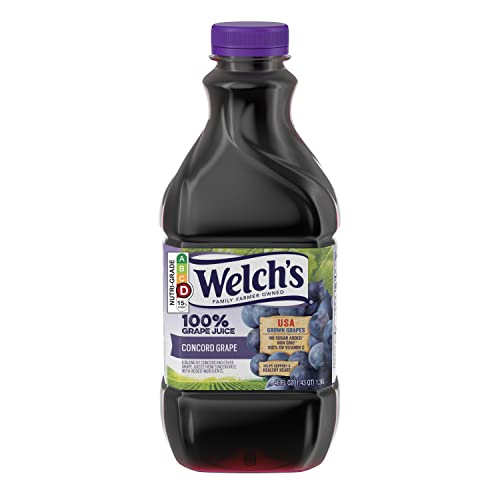
You can make 1 gallon of wine from Welch’s 100% grape juice by fermenting about 96 oz (3 cups) of the juice with yeast and sugar. The process takes several weeks, during which the yeast converts the juice’s sugars into alcohol and carbon dioxide. Using pure juice without preservatives helps ensure successful fermentation.
Start with 1 gallon of Welch’s 100% grape juice, 1 to 2 cups of sugar to boost alcohol content, and a packet of wine yeast. Avoid juices with preservatives, as they inhibit yeast activity. Clean and sanitize all your equipment before beginning to prevent contamination.
Add granulated sugar to the juice to reach a starting specific gravity (SG) between 1.080 and 1.100. This sugar level ensures enough fermentable sugars to achieve the desired alcohol content. Use a hydrometer to measure the SG accurately before fermentation.
Thoroughly sanitize all equipment that will contact the juice, including fermentation jugs, stirring spoons, airlocks, and bottles. Proper sanitization prevents contamination and off-flavors in your wine.
Use a wine yeast strain such as Lalvin EC-1118, which is reliable and ferments well at typical home temperatures. You can also add yeast nutrient to support healthy yeast activity and pectic enzyme to help break down grape solids for clearer wine.
Pour the juice and sugar mixture into a sanitized fermentation jug fitted with an airlock. This setup allows carbon dioxide to escape while preventing oxygen and contaminants from entering. Keep the jug in a cool, dark place and allow the primary fermentation to proceed for about 7 days.
After the primary fermentation slows, rack (transfer) the wine off the lees (sediment) into a clean, sanitized jug for secondary fermentation. This stage lasts 2 to 3 weeks, during which the wine clarifies and off-flavors reduce.
Once the wine is clear and fermentation is complete, bottle it in sanitized bottles and caps. Age the bottled wine for at least 1 month before drinking to develop more balanced flavors and smoothness.
This step-by-step process for making wine from Welch’s grape juice yields about 1 gallon of homemade wine that balances fruity character and dryness. The total time from start to bottle is roughly 4 weeks, allowing you to enjoy your own wine with minimal equipment and ingredients.
Sanitize Equipment and Prepare Your Juice Base
Sanitizing all your winemaking equipment is essential to prevent contamination and off-flavors in your Welch’s grape juice wine. Wash your fermentation jug, airlock, siphon, and funnel thoroughly, then sanitize them using a no-rinse sanitizer or a bleach solution followed by a full rinse. Avoid skipping this step; even tiny traces of bacteria can spoil your batch.

To prepare the juice base, add a crushed Campden tablet to the 96 ounces of Welch’s 100% grape juice. This releases sulfur dioxide, which kills wild yeast and bacteria that could interfere with fermentation. Wait 24 hours after adding Campden before pitching your yeast to allow the sulfur dioxide to dissipate enough for fermentation to start.
Use a hydrometer to measure the specific gravity (SG) of the juice before fermentation. Welch’s grape juice often contains preservatives like potassium sorbate or sorbic acid, which inhibit fermentation. Check the label carefully; if you see potassium sorbate, it will prevent the yeast from working. Choose Welch’s products without preservatives for winemaking.
If the starting SG is below 1.090, add sugar gradually and stir to dissolve until you reach this target. This sugar level helps produce a balanced alcohol content of about 11 to 13% by volume. Be precise; too much sugar can stress the yeast and cause stuck fermentation, while too little yields weak wine.
Pitch Yeast and Manage Primary Fermentation
Pitch your wine yeast after the 24-hour Campden waiting period by either rehydrating it according to the package instructions or sprinkling it directly onto the prepared grape juice. Use a yeast strain suited for fruit wines to ensure a clean, fruity fermentation.
Add yeast nutrient to supply essential minerals and vitamins that help your yeast perform well, especially since grape juice can lack some nutrients. Include pectic enzyme at this stage to break down fruit pectin, which improves juice clarity and prevents haziness in the finished wine.
Aerate the juice by stirring vigorously before sealing the jug with an airlock. Oxygen at this stage supports yeast growth and a healthy fermentation. Place the jug in a dark, stable-temperature spot between 68 and 75°F to optimize yeast activity.
You should see fermentation bubbles within 12 to 24 hours as the yeast consumes sugars and produces carbon dioxide. Expect vigorous bubbling for about seven days, indicating active primary fermentation. After this period, most sugar will be converted to alcohol, and the wine will begin to clear.
 Home Juicing Starter KitMake fresh juice that tastes good, costs less and keeps safely: 40 recipes with exact amounts, a yield chart and a 4-week plan.40 juice, smoothie and shot recipesYield, storage and food-safety chartsCost, yield and shopping-list calculator (Excel)
Rack Wine and Age for Clarity and Flavor
Rack your grape juice wine by siphoning it off the sediment, called lees, into a sanitized jug. Avoid disturbing the sediment to keep off-flavors out of your wine.
Top up the jug with filtered water to maintain the airlock seal. This prevents oxygen from entering, which can spoil the wine.
Secondary fermentation typically lasts 2 to 3 weeks, during which bubbling will gradually stop. This signals that fermentation is complete and the wine is clearing.
If you see sediment form again, rack the wine a second time into another sanitized container. Limit racking to no more than twice to reduce oxidation risk.
Bottle the wine only when it appears clear and free from floating particles. Then age it for at least 1 month to let flavors smooth and develop.
Homemade grape juice wine usually requires about 4 to 6 weeks total before bottling: 2 to 3 weeks primary fermentation, 2 to 3 weeks secondary fermentation, then aging.
Adjust Sugar, Acid and Troubleshoot Common Issues
Aim for a starting specific gravity (SG) of 1.080 to 1.100 to achieve a dry wine with medium body from Welch’s grape juice.
If the wine tastes flat, cautiously add an acid blend of citric, malic, and tartaric acids during juice preparation. Too much acid can make the wine sharp or sour.
Sweeten your wine after fermentation by adding sugar along with potassium sorbate to stabilize it and prevent restarting fermentation. Cold crashing to sweeten carries a higher risk of spoilage.
A sulfur or rotten egg smell comes from hydrogen sulfide produced during fermentation. Aerate the wine by stirring or gently shaking it, or add a copper sulfate solution to bind the sulfur compounds.
A vinegar taste signals oxygen damage and bacterial spoilage. Unfortunately, this batch should be discarded to avoid health risks.
If fermentation stalls or gets stuck, try gently warming the wine to about 70°F (21°C) or add a fresh yeast starter to restart the process.
To sweeten Welch’s grape juice wine safely, add sugar post-fermentation with potassium sorbate stabilization. Adjust acidity before fermentation to balance flavors and watch for stuck fermentation or sulfur smells as signs of problems requiring correction.
Variations and Common Mistakes to Avoid
You can make a lower sugar Welch’s grape juice wine by reducing the added sugar at the start or allowing fermentation to continue longer until it tastes dry. Less sugar means less alcohol and a lighter body, which some prefer for a gentler wine.
For cleaner clarity and a softer mouthfeel, try cutting back on yeast nutrient or adding pectic enzyme during the juice preparation. These adjustments help break down haze-forming substances and avoid harsh flavors in your homemade wine.
If you need a kidney-friendly version, limit added sugar as excess sugar can increase kidney strain. Avoid extra acid blends since they may affect your body’s acid-base balance. Sticking to the basic juice with measured sugar and yeast is safest.
Common mistakes that spoil Welch’s grape juice wine include skipping sanitization, which invites unwanted bacteria and off-flavors. Rushing fermentation phases or opening the airlock too early exposes the fermenting juice to oxygen, leading to spoilage or vinegar taste.
Using juice with preservatives blocks fermentation entirely, so always check the label for no added sulfites or sorbates. Avoid plastic tubing that carries odors from past uses; use food-grade clear tubing or sanitized glass siphons instead.
Boiling the juice to sterilize it is not recommended because it alters the grape flavor and reduces aroma compounds, which makes your final wine less vibrant.
Careful attention to these details will help you avoid the pitfalls that commonly ruin homemade Welch’s grape juice wine and tailor the result to your health needs.