You know the feeling. You’re halfway through the afternoon, and suddenly a cold glass of cranberry juice sounds like the only thing that will fix the day. Not water. Not tea. Cranberry juice, with that sharp, tart bite that makes your mouth pucker.
Most people assume a craving means their body is missing something. Sometimes that’s true. But with cranberry juice, the story is more complicated. The craving can come from your gut bacteria, your blood sugar, your stomach acid, or even a medication you started last week.
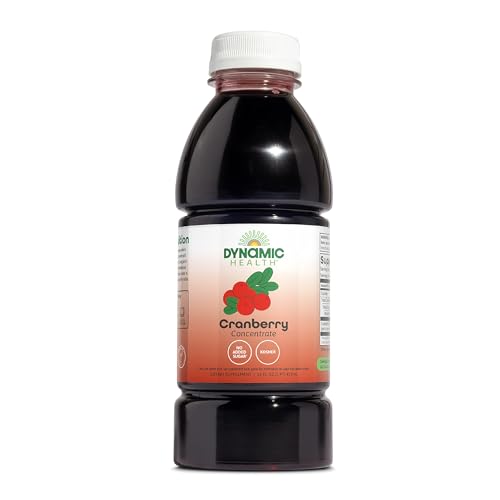
Dynamic Health
DYNAMIC HEALTH 100% Cranberry Juice Concentrate, 16…
- POTENT ANTIOXIDANT. Cranberries contain nutrients like vitamins C and E, plus the added power of the antioxidant quercetin. Antiox…
- COUNT ON CRANBERRY. You’ve probably heard that cranberries are great for urinary tract health. That’s because of proanthocyanidins…
- NO ADDED SUGAR. Our Cranberry Juice Concentrate is made without sweeteners or added sugar. It’s also Vegetarian, Gluten-Free, BPA-…
This article walks through seven specific reasons you might be craving cranberry juice, with the science behind each one. You’ll also get a clear checklist of what to do right now, so you’re not left guessing.
If you’re looking for a clean option to satisfy the craving without added sugar, Dynamic Health 100% Cranberry Juice Concentrate is a solid choice. It’s unsweetened, packs about 4,000 cranberries per bottle, and you can dilute it to taste. That makes it easy to enjoy the tart flavor you’re after without the sugar spike that comes from most commercial cocktails.

The Tart Truth: Why Your Brain Wants Cranberry Juice
Before diving into the reasons, you need to understand one key distinction: tart versus sweet. Pure cranberry juice is intensely sour. Most store-bought cranberry juice cocktail is sweetened heavily to make it drinkable. Your brain registers these two very differently.
A craving for the sweet version usually points to a sugar need or a habit pattern. A craving for the tart, puckering kind points to something deeper. That could be a nutrient gap, a gut microbiome signal, or even a sign your stomach acid is running low.
Pay attention to which one you actually want. That single detail changes the advice below.
The 7 Surprising Reasons (Backed by Science)
1. You’re Chasing a Specific Nutrient (Not Just Sugar)
Cranberries are dense in vitamin C, vitamin E, and a plant compound called quercetin, which acts as an antioxidant. They also contain magnesium and small amounts of potassium. If your diet has been short on these, your body may push you toward foods that supply them.
Think of it like this: your body doesn’t know the word “cranberry.” It knows “I need vitamin C” or “I need more antioxidants.” So it sends a craving signal that you interpret as a specific food. This is more common in winter months when fresh fruit intake drops.
That said, the nutrient theory has limits. A glass of cranberry juice cocktail has far less vitamin C than a single orange. If you’re truly deficient, you’d likely crave citrus, not cranberry. So this reason is real, but it’s not the whole story.
2. Your Gut Bacteria Are Asking for Help
Your gut microbiome — the trillions of bacteria living in your digestive tract — influences your food choices more than most people realize. Some of those bacteria feed on specific plant compounds. Cranberries contain proanthocyanidins, a type of polyphenol that these bacteria love.
When your gut is low on diverse plant compounds, certain bacterial strains may send signals that increase your desire for foods they can ferment. That’s one reason cravings often feel so specific. It’s not just your brain talking; it’s your microbiome sending a chemical message up the vagus nerve.
This also explains why people who eat a limited diet often crave the same tart foods over and over. Their gut bacteria have adapted to expect those inputs. If you’ve been eating a lot of processed food and suddenly crave cranberry juice, your gut may be asking for polyphenols it hasn’t seen in a while.
3. You’re Dehydrated (But Not How You Think)
Here’s the twist: a cranberry juice craving rarely means you need cranberry juice. It usually means you need water, and your brain is interpreting the thirst signal as a food craving. This is a well-documented phenomenon. Mild dehydration reduces blood volume slightly, and your brain can misread that as hunger or a specific food desire.
But there’s a second layer. Cranberry juice has a high water content, and the tart flavor triggers saliva production. That’s why drinking a small glass feels so satisfying when you’re parched. Your brain remembers that feeling and files it under “cranberry juice solves thirst.”
The fix is boring but effective: drink a full glass of water first. Wait 15 minutes. If the craving fades, you were dehydrated. If it persists, move on to the other reasons on this list.
4. The “Sour” Signal: Low Stomach Acid
Here’s a less common but compelling theory. Some functional medicine practitioners suggest that craving sour or tart foods can indicate low stomach acid (hypochlorhydria). Your body knows that acidic foods stimulate the stomach to produce more digestive juices, so it pushes you toward lemons, limes, vinegar, or cranberries.
Low stomach acid is more common with age and with long-term use of acid-reducing medications. Symptoms include bloating after meals, feeling full quickly, and heartburn that doesn’t respond to antacids. If you experience those alongside your cranberry craving, this reason deserves attention.
You can test this at home. Mix a teaspoon of apple cider vinegar in a small glass of water and drink it before a meal. If your digestion feels noticeably better, low stomach acid is likely part of the picture. That doesn’t mean you should start chugging cranberry juice instead — but it explains the craving.
5. Habit and Emotional Comfort (The Marketing Effect)
Let’s be honest about the elephant in the room. Cranberry juice has been marketed for decades as the “healthy” juice. It’s associated with urinary tract health, detoxification, and clean living. Those associations create a psychological pull that has nothing to do with your body’s needs.
If you grew up drinking cranberry juice when you were sick, or if your family served it at holidays, your brain has wired that flavor to comfort. Cravings are often learned responses. When you’re stressed or tired, your brain reaches for the foods it associates with feeling cared for.
There’s no shame in this. But it’s worth noticing. Ask yourself: Am I actually hungry, or am I bored, stressed, or lonely? If the answer is emotional, the juice won’t fix the underlying feeling. It’ll just add sugar to the mix.
6. Medication Side Effects (The Hidden Trigger)
Certain medications change your taste preferences or increase your need for specific nutrients. Antibiotics are the biggest culprit. They wipe out both good and bad gut bacteria, which can trigger cravings for foods that help repopulate the microbiome. Cranberries have natural antibacterial properties, so your body may seek them out.
Other medications, like diuretics or blood pressure drugs, increase fluid loss. That can leave you mildly dehydrated, which, as covered in reason three, can manifest as a cranberry juice craving.
If you started a new medication within the last month and noticed the craving appearing around the same time, that’s likely the link. Don’t stop your medication. Just be aware that the craving may fade as your body adjusts.
7. Blood Sugar Rollercoaster (The Sweet vs. Tart Distinction)
This is the big one. Cranberry juice cocktail is loaded with added sugar — often 30 grams or more per serving. That’s nearly the same as a can of soda. When your blood sugar drops a few hours after a high-carb meal, your body craves quick energy. If you’ve previously satisfied that craving with cranberry juice cocktail, your brain will default to that memory.
But here’s the subtle part. If you crave the tart, unsweetened version, that’s different. Tart flavors can stimulate digestion and signal to your brain that something substantive is coming. Some research suggests sour tastes can help regulate blood sugar response by slowing gastric emptying.
The practical takeaway: if you crave the sweet cocktail, you’re likely riding a blood sugar wave. If you crave the pure tart juice, you may actually need the polyphenols or just the sensory kick. The two are not the same craving, even though they share a name.
Is It a Deficiency or a Disorder? When to See a Doctor
Most cranberry juice cravings are harmless and temporary. But there are times when they warrant a conversation with a healthcare provider.
See a doctor if the craving is constant and intense, especially if it’s accompanied by:
- Frequent urination or burning during urination (possible UTI)
- Unusual fatigue, dizziness, or dark urine (possible dehydration or electrolyte imbalance)
- Unexplained weight loss or extreme thirst (possible blood sugar issues)
- Digestive pain, bloating, or changes in bowel habits
These symptoms could point to a urinary tract infection, gestational diabetes (if pregnant), or a more serious metabolic issue. Cranberry juice is not a treatment for a UTI. It may help prevent one, but once an infection is established, you need antibiotics. Don’t delay care hoping juice will fix it.
For most people, however, the craving is just a signal. It’s your body asking for hydration, nutrients, or a break from a routine. Listening to that signal — and responding with the right thing — is the healthy move.
What to Do Right Now (Instead of Chugging Juice)
Here’s a practical checklist for the next time the craving hits. Work through it in order.
- Drink a full glass of water. Wait 15 minutes. Reassess the craving. This eliminates dehydration as the cause.
- Eat a tart snack. A handful of fresh cranberries, a slice of lemon, or even a dill pickle can satisfy the sour craving without the sugar load.
- Check your blood sugar. If you have a glucose monitor, test it. If you’re diabetic or prediabetic, a craving for sweet juice is a clear signal to eat a protein-rich snack instead.
- Consider your last meal. Did you eat a lot of refined carbs? If so, the craving is likely a blood sugar dip. Eat something with protein and fiber.
- If you still want cranberry juice, choose unsweetened. Dilute it with water or sparkling water. This gives you the flavor and polyphenols without the sugar spike.
- Rule out medication timing. If you’re on antibiotics or diuretics, the craving may pass in a few days. Stay hydrated and eat fermented foods to support your gut.
This sequence takes about ten minutes. It’s faster than drinking a glass of juice and then feeling guilty about the sugar.
Frequently Asked Questions
Is craving cranberry juice a sign of a UTI?
Not necessarily. A craving alone isn’t a symptom of a urinary tract infection. The classic signs are a burning sensation when urinating, frequent urges to go, cloudy or strong-smelling urine, and pelvic pain. If you have those, see a doctor. Cranberry juice can help prevent UTIs due to its proanthocyanidins, but it won’t cure an active infection.
Can I drink cranberry juice every day?
You can, but watch the sugar. Unsweetened cranberry juice is safe for most people in amounts up to 8-12 ounces per day, diluted. Cranberry juice cocktail is a different story — 30 grams of sugar per glass adds up quickly. If you drink it daily, choose the unsweetened version and dilute it with water.
Why do I crave cranberry juice when I’m pregnant?
Pregnancy changes taste preferences and increases blood volume, which raises fluid needs. Some women crave tart foods because of hormonal shifts, especially in the first trimester. Others crave it because of the association with UTI prevention, which is common during pregnancy. If you’re pregnant and craving cranberry juice, choose unsweetened and check with your OB if the craving is intense.
Does cranberry juice help with detoxification?
Your liver and kidneys do the detoxifying, not juice. Cranberry juice does support urinary tract health and provides antioxidants, but it doesn’t “flush toxins” in any special way. The mild diuretic effect is real but not a detox. If you’re craving it for that reason, you’re better off drinking water and eating whole cranberries.
What’s the difference between craving tart vs. sweet cranberry juice?
Tart cravings point to a need for polyphenols, sensory stimulation, or possibly low stomach acid. Sweet cravings almost always point to a blood sugar dip or a habit association. If you crave the sweet version, your body likely wants sugar, not cranberries. If you crave the tart version, you’re probably after the actual fruit compounds. This distinction is the most useful tool for interpreting the craving.
What to Remember Next Time the Craving Hits
- Drink water first. Dehydration is the most common hidden cause.
- Tart cravings and sweet cravings are different. Know which one you’re having.
- Your gut bacteria can drive food cravings. Eat a variety of plant foods to keep them satisfied.
- Medications, especially antibiotics, can trigger cravings. Give it a few days.
- Unsweetened cranberry juice is a fine choice in moderation. Just dilute it and skip the cocktail.
- If the craving comes with pain, burning, or unusual fatigue, see a doctor. Don’t self-diagnose.
- Craving a food isn’t a deficiency diagnosis. It’s a clue, not a verdict.
The next time you reach for that bottle, you’ll know exactly what your body is asking for. And that knowledge beats a glass of sugar water every time.
For more on cranberry juice types, see cranberry juice cocktail differences. If you’re dealing with juice waste from your juicer, check juicer waste fixes. And for general citrus juice guidance, lime juice canning tips round out the picture.


