Vitamin K Drinks and Warfarin: Safe Limits and What to Avoid
On this page 6 sections
Warfarin is a blood thinner that works by blocking vitamin K to slow clotting. Drinks high in vitamin K can interfere with warfarin’s effect, making it less effective and increasing clot risk. Knowing which drinks contain vitamin K and how much to consume helps you manage your medication safely.
Consistency matters more than avoidance. Small, steady amounts of vitamin K in drinks usually do not cause problems if your healthcare team knows your diet. Sudden changes in vitamin K intake, especially from drinks, should be avoided.
Drinking Vitamin K Drinks While Taking Warfarin
You can have vitamin K drinks while taking warfarin, but you should keep your daily intake steady, usually no more than about 100 mcg from drinks. Vitamin K helps your body form clotting factors, which can reduce warfarin’s blood-thinning effect if intake varies too much.
Warfarin works by interfering with vitamin K-dependent clotting proteins, so sudden changes in vitamin K intake can make your blood either too thin or too thick. That’s why consistency is key: your doctor adjusts your warfarin dose based on your usual vitamin K intake, not sudden spikes or drops.
Common drinks with vitamin K include orange juice, which has about 60 to 70 mcg per 8 oz glass, and tart cherry juice, which usually contains less but varies by brand and serving size. These amounts are generally below 100 mcg, so one serving a day fits the usual limit.
Orange juice is also rich in vitamin C, but vitamin C and acidity do not directly affect warfarin’s action or blood thinning. You can enjoy vitamin C from orange juice without affecting your warfarin levels, just keep an eye on vitamin K intake from the same drink.
Some vitamin K drinks contain caffeine and added sugar, which don’t impact warfarin but can affect your overall health if consumed in excess. For example, some cherry juice blends add sugar, so check the label to avoid excess added sugars, especially if you have other conditions like diabetes.
| Drink | Typical Serving | Vitamin K per Serving (mcg) |
|---|---|---|
| Orange Juice | 8 oz (1 cup) | 60–70 |
| Tart Cherry Juice | 8 oz (1 cup) | <20 |
Who Should Avoid or Limit Vitamin K Drinks More Strictly
People with unstable INR or recent clotting events should avoid vitamin K swings by limiting or avoiding vitamin K-rich drinks. Sudden changes in vitamin K intake can reduce warfarin’s effectiveness, raising the risk of blood clots.
If you are on a high dose of warfarin or have liver disease, your care team may advise stricter control of vitamin K drinks. The liver processes both warfarin and vitamin K-dependent clotting factors, so liver impairment can affect how your medicine works.
Pregnant and elderly patients often need to limit vitamin K intake more carefully. Pregnancy changes blood clotting dynamics, and older adults may have altered warfarin sensitivity, so steady vitamin K intake helps keep blood thinning consistent.
You asked if you can drink tart cherry juice and cut back on warfarin. Tart cherry juice contains very little vitamin K, so it generally won’t interfere with warfarin. But you should never reduce your warfarin dose without professional advice.
If you’re wondering what juice is good for juice vitamins while on warfarin, fruit juices like orange have vitamin C but low vitamin K, making them safer choices than green vegetable juices with high vitamin K.
Individual differences matter. Your INR test results, overall diet, medications, and health conditions affect how vitamin K drinks impact your warfarin. Always follow your care team’s instructions about vitamin K and warfarin.
Drinks Containing Vitamin K and Their Amounts
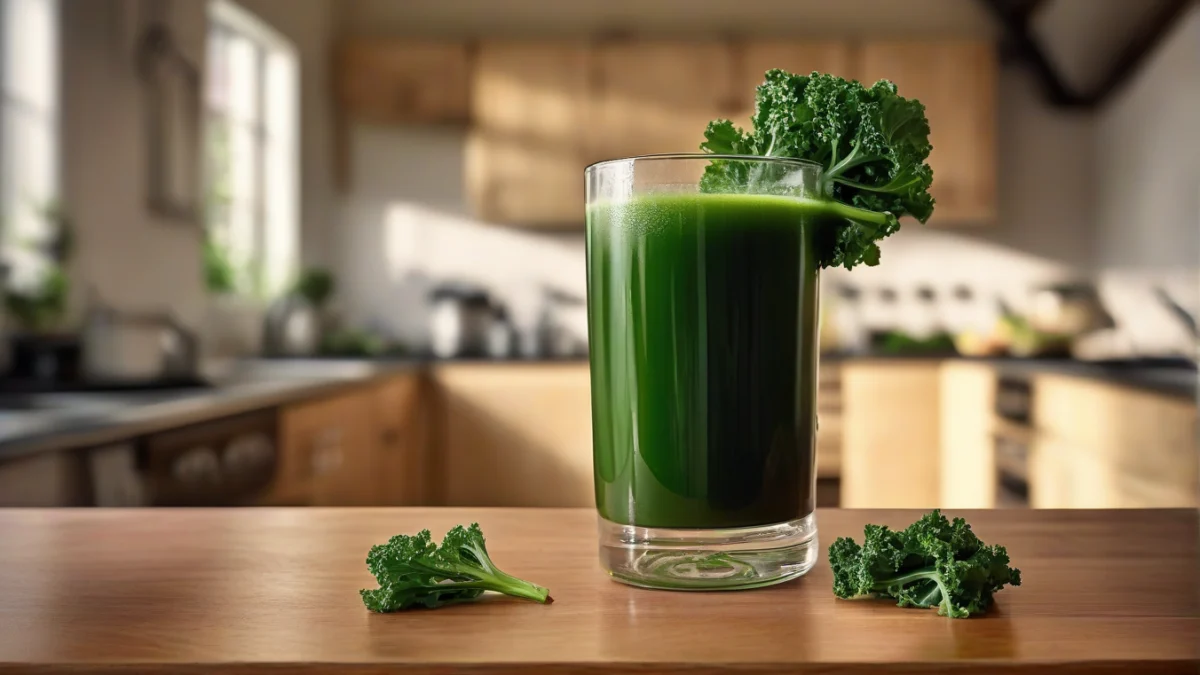
Green vegetable juices have the highest vitamin K content. An 8 oz serving of kale juice can contain around 550 mcg of vitamin K, and spinach juice about 440 mcg. These amounts well exceed the typical daily limit for someone on warfarin.
| Drink | Vitamin K (mcg) per 8 oz | Sugar (g) | Caffeine (mg) | Acidity (pH) | Potassium (mg) |
|---|---|---|---|---|---|
| Kale juice | 550 | 2 | 0 | 6.0 | 230 |
| Spinach juice | 440 | 1 | 0 | 6.5 | 140 |
| Orange juice | 0.2 | 21 | 0 | 3.5 | 450 |
| Cranberry juice | 1.1 | 29 | 0 | 2.6 | 90 |
| Apple juice | 0.3 | 24 | 0 | 3.3 | 100 |
Typical fruit juices like orange and apple have very low vitamin K, usually under 1 mcg per serving, so they pose less risk of interfering with warfarin. Orange juice is also a good source of vitamin C, which supports your immune system and overall health.
Cranberry juice contains a small amount of vitamin K and moderate vitamin C. It may offer benefits cranberry juice vitamin c benefits but keep an eye on sugar content, especially if you have diabetes or are watching calories.
Sugar and acidity vary widely. Green vegetable juices tend to be lower in sugar but higher in potassium, which might matter if you have kidney issues. Fruit juices are more acidic, which can irritate reflux or ulcers in some people.
Knowing these details helps you choose drinks that fit your warfarin management and overall health. If unsure, ask your dietitian or pharmacist to review your drink choices with your medication.
Safer Drink Alternatives to Vitamin K-Rich Juices
Apple juice, cranberry juice, and lemon water are good low-vitamin K drinks that provide hydration and some vitamins without interfering with warfarin. These options let you enjoy juice vitamins like vitamin C without the risk of altering your medication’s effect.
Lemon juice contains vitamin C, which supports immune health and may help your body absorb iron, but unlike green vegetable juices, it has negligible vitamin K. Orange juice also has vitamin C but contains small amounts of vitamin K, so it’s best to consume it consistently if included in your diet.
Plain water remains the safest and most neutral choice, offering hydration without any vitamin K. Herbal teas are another good option since most contain no vitamin K, as does regular brewed coffee, so these can fit easily into your daily routine without affecting warfarin.
Vitamin C in cranberry juice has additional benefits beyond hydration, including antioxidant support. You can learn more about cranberry juice vitamin C benefits and how lemon juice affects blood clotting in our related pages cranberry juice vitamin c benefits and lemon juice effects.
How to Manage Vitamin K Drinks and Warfarin Safely
Keeping your vitamin K intake consistent every day is key to managing warfarin safely. Sudden changes in vitamin K from drinks or foods can reduce or increase warfarin’s blood-thinning effect unpredictably.
If your vitamin K intake is steady, you don’t need to space vitamin K drinks apart from your warfarin dose. The medication works over several days, so timing individual drinks with your dose is less important than overall consistency.
Regular INR blood tests remain essential to ensure warfarin is working well. Your healthcare provider uses these results to adjust your warfarin dose as needed, based on your vitamin K intake and other factors.
Always follow the personalized advice your care team gives about vitamin K and warfarin. Your situation may differ due to other health issues or medications.
People often wonder if they can take vitamin boost drinks with pancreatitis while on warfarin. If a multivitamin or vitamin boost drink contains vitamin K, consistency and your doctor’s advice are crucial. Many vitamin boost drinks have little or no vitamin K, but check labels carefully.