Juicers come in many styles, but the Tuumist stands out with its slow, cold press method that mimics hand-squeezing. This approach aims to keep more enzymes, vitamins, and minerals intact in your juice by avoiding heat and oxidation common in faster juicers.
Understanding what a Tuumist juicer is and how it works helps you decide if it’s the right tool for your kitchen and health goals. We’ll cover its features, practical effects on your juice, and who should be cautious with juicing.
How a Tuumist Juicer Works
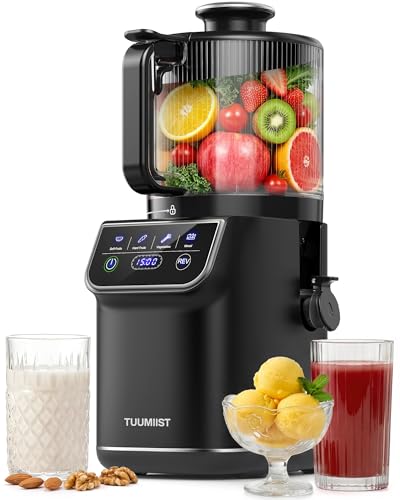
A Tuumist juicer is a cold press, or masticating, juicer that extracts juice slowly and gently from whole fruits and vegetables. It uses a wide 6.5-inch chute to handle whole produce like apples and celery, saving you time on prep and preserving more nutrients compared to faster juicers that generate heat and oxidation.

The Tuumist cold press juicer mimics hand-squeezing by slowly crushing and pressing produce at about 60 rotations per minute. This slow extraction method protects enzymes and vitamins, delivering juice with minimal heat damage and oxidation. It also produces a high yield, leaving behind dry pulp and maximizing the amount of juice you get from each fruit or vegetable.
Beyond juicing, the Tuumist TM-580-SJ model offers multi-function versatility: it can make creamy nut milk and refreshing fruit sorbet with a single smart strainer, so you don’t need to change parts between recipes. This makes it a practical choice if you want to enjoy a range of healthy drinks and snacks from one appliance.
Cleaning the Tuumist juicer is straightforward thanks to its quick-release design and three-part assembly. Most users find they can rinse and reassemble it in about three minutes without scrubbing or dealing with clogs. Its motor runs quietly, so you won’t have to raise your voice in the kitchen while it works.
If you’re wondering whether the Tuumist TM-580-SJ is a good juicer, reviews often praise its large chute, quiet operation, and ease of cleaning. Users who check Tuumist juicer reviews typically highlight the time saved on preparation and the quality of juice extracted compared to other masticating juicers.
Sugar, Caffeine, and Acidity Levels in Tuumist Juice
Juice made with the Tuumist juicer naturally contains sugar from the fruits or vegetables you choose, but it has little to no caffeine unless you add caffeinated ingredients like green tea leaves. The juicer itself does not add sugar or caffeine.
Cold pressing with a Tuumist juicer preserves more vitamins and enzymes than high-speed juicers because it extracts juice slowly without heat buildup. However, the acidity of your juice depends entirely on the ingredients — citrus fruits, pineapples, and tomatoes create more acidic juice that may bother sensitive stomachs or reflux.
If you have reflux, acidic juice can irritate the esophagus lining, causing discomfort or heartburn. Choosing less acidic produce like cucumbers, carrots, or melons can help.
Compared to store-bought juices or sodas, Tuumist juice generally has lower sugar if you avoid very sweet fruits. Unlike some commercial juices, it contains no added sugars unless you add your own sweetener.
| Ingredient | Approximate Sugar per 8 oz (g) | Caffeine (mg) | Acidity Level |
|---|---|---|---|
| Apple | 20 | 0 | Low to moderate |
| Carrot | 9 | 0 | Low |
| Orange | 18 | 0 | Moderate to high |
| Pineapple | 16 | 0 | High |
| Green tea leaves (added) | 0 | 35 | Low |
For example, a Tuumist juicer 300 watt reviews often highlight its power to handle whole fruits and vegetables without losing nutrients or increasing acidity artificially.
Unlike centrifugal juicers, the Tuumist’s cold press method avoids heat that can degrade delicate nutrients and produce oxidized, bitter juice.
If you want a caffeine boost, you’ll need to add an ingredient with caffeine yourself since the juicer doesn’t extract caffeine from common produce.

Considerations When Juicing With Health Conditions
People with reflux, kidney disease, diabetes, or gout should be cautious with juicing and monitor how much and what they drink.
Juice made with a Tuumist juicer contains less fiber than whole fruits and vegetables because the pulp is removed, which might affect blood sugar control and digestion.
Potassium is abundant in many fruits and vegetables; if your kidneys filter less well, too much potassium in juice could raise blood levels dangerously.
Adjusting what you juice can help manage symptoms. Avoid acidic fruits if you have reflux. Limit high-potassium produce like bananas and oranges when managing kidney disease. Focus on vegetables and fruits lower in sugar if you have diabetes.
If you are unsure how juicing fits your health needs, check with your doctor or a registered dietitian before adding fresh juice regularly to your diet.
If you want to test a Tuumist juicer, start with small amounts of juice with familiar ingredients to see how your body reacts before increasing your intake or trying new recipes.
A Tuumist juicer check for your specific health condition means confirming your tolerance and adjusting ingredients accordingly rather than avoiding juicing completely.
Keeping fiber in your diet alongside juicing helps maintain healthy digestion and blood sugar balance, especially if you have chronic conditions.
Juicing can be a healthy addition but should not replace whole fruits and vegetables or prescribed treatments.
Comparison of Tuumist Juicers With Other Models
A Tuumist juicer stands out by combining cold press technology with a wide chute and multi-function features, offering advantages over centrifugal juicers like the Conely. Unlike the fast-spinning blades of centrifugal juicers that cut produce quickly but generate heat and oxidation, the Tuumist uses slow, masticating action to preserve nutrients and enzymes.
| Aspect | Tuumist Juicer | Centrifugal Juicer (e.g., Conely) |
|---|---|---|
| Juice Yield | Up to 95%, with drier pulp | Generally lower, wetter pulp |
| Nutrient Preservation | High, minimal heat and oxidation | Lower, heat can degrade nutrients |
| Noise Level | Whisper-quiet operation | Louder motor noise |
| Cleaning | Quick-release parts, 3-minute rinse | Typically more parts, longer cleaning |
| Speed | Slow extraction at about 60 RPM | Fast extraction, up to 15,000 RPM |
| Size | Larger footprint due to chute and parts | Usually more compact |
| Multi-functionality | Juice, nut milk, and sorbet | Primarily juice only |
The wide, 6.5-inch chute on Tuumist models lets you juice whole fruits and vegetables, reducing prep time compared to the smaller feed chutes on many centrifugal juicers. This convenience suits busy routines and helps maintain freshness by minimizing exposure to air before juicing.
Cleaning is easier with Tuumist juicers thanks to their fewer parts and quick-release design, often rinsing clean in about three minutes. Centrifugal juicers can have more components that trap pulp and require more scrubbing.
Juice yield and nutrient preservation matter most for people focused on health benefits and nutrient retention. Tuumist’s slow masticating action extracts more juice with less oxidation, making it ideal for those with sensitive digestion or chronic health issues. In contrast, centrifugal juicers appeal to those who prioritize speed and convenience in juicing.
Anyone juggling a variety of recipes—juice, nut milk, or sorbet—can benefit from the Tuumist’s multi-function design. The Conely and similar centrifugal juicers usually lack these options, limiting versatility.
What To Do Next: Choosing and Using Your Tuumist Juicer
Tuumist juicer reviews highlight its wide chute, quiet motor, and ease of cleaning as top user benefits, especially for those preparing fresh juice daily. The 300-watt motor models balance power with low noise, making them suitable for home use without disturbing others early in the morning.


