You bought a bottle of cranberry juice for a recipe, used half a cup, and now it’s sitting in the fridge door, slowly being forgotten. We’ve all been there. Cranberry juice gets typecast as a breakfast drink or a mixer for vodka, but it’s actually one of the most versatile sour ingredients you can keep in the kitchen. It brings acidity, a deep red color, and a tartness that behaves a lot like wine or vinegar in cooking, but without the alcohol or the sharp bite.
This guide covers 19 ways to use cranberry juice beyond the glass. You’ll learn how to build pan sauces for pork, make a reduction for roasted vegetables, create a shrub base for cocktails, and even bake with it. Along the way, I’ll explain how to pick the right bottle, how to balance its acidity with fat and salt, and how to store what you don’t use. By the end, that half-empty bottle will look like a starting point, not a leftover.
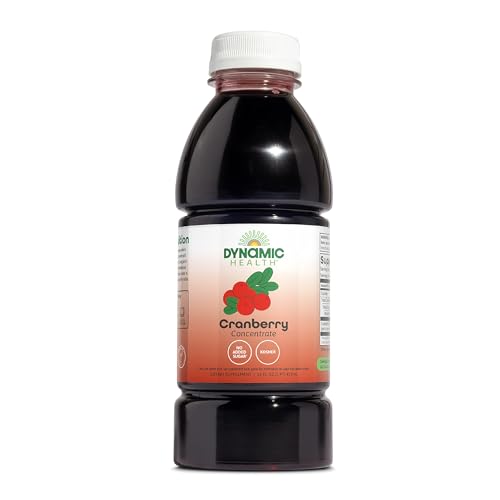
Dynamic Health
DYNAMIC HEALTH 100% Cranberry Juice Concentrate, 16…
- POTENT ANTIOXIDANT. Cranberries contain nutrients like vitamins C and E, plus the added power of the antioxidant quercetin. Antiox…
- COUNT ON CRANBERRY. You’ve probably heard that cranberries are great for urinary tract health. That’s because of proanthocyanidins…
- NO ADDED SUGAR. Our Cranberry Juice Concentrate is made without sweeteners or added sugar. It’s also Vegetarian, Gluten-Free, BPA-…
If you want a bottle that’s actually worth cooking with, look for a pure concentrate rather than a sweetened cocktail. The Dynamic Health 100% Cranberry Juice Concentrate is a solid option because it’s unsweetened and packs roughly 4,000 cranberries per bottle. You control the sweetness in your dish, which makes a huge difference when you’re reducing it down into a glaze or a sauce.

Why Cranberry Juice Deserves a Spot in Your Pantry
Cranberry juice is essentially a fruit acid with a flavor profile. It has a pH around 2.3 to 2.5, which puts it in the same range as lemon juice and vinegar. That acidity is what makes it work in cooking. It cuts through rich meats, brightens root vegetables, and balances sweet desserts. The tartness also means you can use it to deglaze a pan just like you would with white wine or apple cider vinegar.
There’s also the color. A cranberry reduction turns a deep ruby that makes any plate look intentional. A drizzle of cranberry glaze over roasted carrots or a pork chop looks like you spent an hour on it, when you actually just boiled down some juice.
The flavor itself is more complex than most people give it credit for. It’s not just sour; it has a floral note, a hint of bitterness, and a clean finish. That complexity pairs well with warm spices like cinnamon and clove, with fresh ginger, and with herbs like thyme and rosemary. It also plays nicely with citrus, especially orange zest, which brings out the fruitiness without adding more acid.
One thing to keep in mind: cranberry juice is not a neutral liquid. It will add flavor to whatever you put it in. That’s usually a good thing, but it means you shouldn’t swap it into a recipe that calls for water or a mild broth. Use it where you’d use wine, vinegar, or a tart fruit juice like pomegranate.
The Golden Rule: Choosing the Right Cranberry Juice for Cooking
Before you start cooking, you need to know what’s in your bottle. The label will tell you everything. There are three main categories:
- 100% pure juice (no added sugar, often labeled as “juice” or “pure”)
- Cranberry juice cocktail (sweetened, usually with high-fructose corn syrup or cane sugar)
- Cranberry juice concentrate (reduced, often unsweetened, meant to be diluted)
For cooking, you want the pure juice or the concentrate. The cocktail is fine for drinking, but it throws off the balance of a savory dish. A cup of cranberry juice cocktail can have 30 grams of sugar. When you reduce that down to a sauce, you’re left with a syrup that tastes more like candy than cranberry. The pure juice has about 4 grams of naturally occurring sugar per cup, which gives you room to add your own sweetness if you need it.
If you’re using a concentrate, read the label for dilution instructions. Some are meant to be mixed with water before drinking. For cooking, you can often use the concentrate straight, but taste it first. It’s intensely tart and will need a good amount of fat or salt to balance it. If you’re following a recipe that calls for regular cranberry juice, dilute the concentrate with water to match the consistency.
One more thing: check for added ingredients. Some brands add ascorbic acid (vitamin C) as a preservative, which is fine. Others add natural flavors or other fruit juices like grape or apple to soften the tartness. That’s okay, but it changes the flavor profile. For the most predictable results, use a bottle that lists only cranberries (and maybe water) as the ingredients.
If you’re curious about the difference between juice and cocktail in more detail, this cranberry juice vs. cocktail comparison breaks down the labels and sugar content.
Savory Mains and Marinades
This is where cranberry juice shines. The acidity tenderizes meat, and the fruitiness creates a caramelized crust when it hits a hot pan. These recipes are forgiving, so don’t stress about exact measurements.
Glazed Pork Tenderloin with Cranberry Pan Sauce
Pork and cranberry are a classic pair. The sweet-tart glaze balances the pork’s mild richness. This recipe serves four.
- Season a 1.5-pound pork tenderloin with salt, pepper, and a teaspoon of dried thyme.
- Sear it in a hot skillet with a tablespoon of olive oil until browned on all sides, about 8 minutes total.
- Remove the pork, then pour 1 cup of pure cranberry juice into the pan. Scrape up the browned bits (that’s the fond, and it’s full of flavor).
- Add 2 tablespoons of maple syrup, 1 tablespoon of Dijon mustard, and a sprig of fresh rosemary.
- Return the pork to the pan, reduce the heat to medium-low, and cook until the internal temperature hits 145°F, about 10-12 minutes.
- Remove the pork and let it rest. Continue simmering the sauce until it reduces by half and coats the back of a spoon.
- Slice the pork and spoon the sauce over the top.
The sauce will be a deep red and slightly glossy. Don’t skip the mustard; it cuts the sweetness and adds a little heat.
Balsamic-Cranberry Reduction for Roasted Vegetables
This reduction turns ordinary roasted vegetables into something you’d serve at a holiday dinner. It works on carrots, Brussels sprouts, parsnips, and even butternut squash.
Combine 1 cup of cranberry juice with 1/4 cup of balsamic vinegar, 2 tablespoons of honey, and a pinch of salt in a small saucepan. Simmer over medium heat until it reduces to about 1/3 cup, roughly 15 minutes. The mixture should be thick enough to coat a spoon but still pourable.
Roast your vegetables at 425°F with olive oil and salt until they’re caramelized at the edges. Toss them with the reduction right before serving. The balsamic adds a deeper, more savory note than cranberry juice alone, and the honey balances the tartness.
I like to add a few cracks of black pepper over the top. It sounds odd with fruit, but it works.
Dressings, Sauces, and Condiments
You don’t need to cook a full meal to use cranberry juice. A quick vinaigrette or a barbecue sauce can elevate a simple weeknight dinner without much effort.
Cranberry Vinaigrette for Winter Salads
Most vinaigrettes use vinegar as the acid. Cranberry juice works just as well, and it brings a fruity depth that pairs beautifully with bitter greens like radicchio or arugula.
Whisk together 1/4 cup of cranberry juice, 2 tablespoons of olive oil, 1 tablespoon of shallot (finely minced), 1 teaspoon of Dijon mustard, and a pinch of salt. Let it sit for 10 minutes before using so the shallot mellows out. This dressing is tart, so you might want a teaspoon of honey or maple syrup if your greens are on the bitter side.
This vinaigrette also works as a marinade for chicken. Just double the recipe, coat the chicken, and let it sit for 30 minutes before grilling.
Cranberry BBQ Sauce for Grilled Chicken
Store-bought barbecue sauce is often loaded with sugar and high-fructose corn syrup. Making your own with cranberry juice is surprisingly easy and gives you a sauce that’s tangy, smoky, and not cloying.
In a saucepan, combine 2 cups of cranberry juice, 1/4 cup of tomato paste, 2 tablespoons of Worcestershire sauce, 1 tablespoon of smoked paprika, 1 teaspoon of garlic powder, 1/2 teaspoon of cayenne (optional), and a pinch of salt. Simmer over medium-low heat for 20-25 minutes, stirring occasionally, until it thickens to a ketchup-like consistency.
Brush it on chicken during the last 5 minutes of grilling. The sugar in the juice will caramelize, so watch it closely to avoid burning. This sauce keeps in the fridge for a week.
Baking and Breakfast
Cranberry juice isn’t just for savory dishes. Its acidity works well in baking, where it can react with baking soda to create lift, and in breakfast foods where it adds a bright start to the day.
Cranberry Syrup for Pancakes and Oatmeal
This is the easiest thing on this list, and it’s a great way to use up the last bit of juice in a bottle. Combine 1 cup of cranberry juice with 1/2 cup of sugar (or honey) in a small saucepan. Simmer for 10-15 minutes until it thickens slightly. That’s it.
The syrup won’t be as thick as maple syrup, but it will coat pancakes nicely. It also works stirred into oatmeal, drizzled over yogurt, or used as a topping for vanilla ice cream. Add a cinnamon stick while it simmers if you want a spiced version.
One note: this syrup will firm up as it cools. If it gets too thick, reheat it with a splash of water.
Cranberry-Orange Quick Bread
Quick breads are forgiving, and this one uses cranberry juice in place of some of the liquid. The result is a tender crumb with a subtle tartness that pairs well with the orange zest.
Preheat your oven to 350°F and grease a 9×5-inch loaf pan. In a large bowl, whisk together 2 cups of all-purpose flour, 1 cup of sugar, 1 teaspoon of baking powder, 1/2 teaspoon of baking soda, and 1/2 teaspoon of salt. In another bowl, mix 1/2 cup of cranberry juice, 1/2 cup of plain yogurt, 1/3 cup of melted butter, 2 eggs, and the zest of one orange. Combine the wet and dry ingredients until just mixed. Fold in 1 cup of fresh or frozen cranberries. Pour into the pan and bake for 50-55 minutes, until a toothpick comes out clean.
The yogurt and cranberry juice keep the bread moist. If you use frozen cranberries, don’t thaw them first; they’ll hold their shape better in the batter.
Beyond the Glass: Frozen, Reduced, and Concentrated Forms
Once you start cooking with cranberry juice, you’ll want to have it in a few different forms. Here’s how to make the most of a single bottle.
Reduction: Boil cranberry juice down to a syrup. This concentrates the flavor and makes it easier to add a punch of cranberry to a dish without adding too much liquid. A cup of juice reduces to about 1/4 cup in 15-20 minutes. Keep it in a jar in the fridge for up to a month.
Ice cubes: Freeze cranberry juice in ice cube trays. These cubes are great for adding to sparkling water, cocktails, or even a pan sauce when you need a splash of liquid and a hit of flavor. They melt slower than water cubes, so your drink won’t get watered down as fast.
Concentrate: If you bought a concentrate like the one from Dynamic Health, you can use it straight in recipes that call for a strong cranberry flavor, like a glaze or a marinade. Just remember it’s much more intense than regular juice. Start with half the amount a recipe calls for, then taste and adjust.
Dehydrated: This is a bit more advanced, but you can dehydrate cranberry juice into a leather or a powder. Spread a thin layer of juice on a dehydrator tray and run it until it’s pliable. The powder can be used to season popcorn or rim a glass for a cocktail. It’s a fun project if you have a dehydrator, but not worth buying one just for this.
Cocktails and Mocktails (The Easy Win)
Drinks are where most people start with cranberry juice, and there’s a reason. It’s a natural mixer. But you can go beyond the standard cranberry and vodka. The key is to balance the tartness with sweetness and to add another layer of flavor.
A Simple Cranberry Shrub Base
A shrub is a drinking vinegar, and cranberry juice makes an excellent one. It’s a great way to use up juice that’s been sitting in the fridge, and it keeps for months.
Combine 2 cups of cranberry juice, 1 cup of apple cider vinegar, and 1/2 cup of sugar in a saucepan. Heat gently until the sugar dissolves, but don’t boil. Pour into a jar and let it cool. Store in the fridge for at least 3 days before using; the flavor mellows and deepens over time.
To make a drink, mix 2 tablespoons of the shrub with 1 cup of sparkling water and a splash of orange juice. For a cocktail, add a shot of vodka or bourbon. The shrub also works as a base for a marinade or a glaze, so it’s not just for drinking.
If you’re looking for more ideas for mixing cranberry with fruit, check out this guide to fruits that pair well with cranberry in smoothies. The same principles apply to cocktails.
Storage, Shelf Life, and Make-Ahead Tips
Cranberry juice is perishable, and opened bottles don’t last forever. Here’s what you need to know.
An opened bottle of pure cranberry juice will stay good for about 7 to 10 days in the fridge. The cocktail version lasts a bit longer, around 2 weeks, because of the added sugar and preservatives. Always check the label for a “use by” date, and trust your nose. If it smells fermented or sour, toss it.
You can freeze cranberry juice for up to 6 months. Pour it into a freezer-safe container, leaving an inch of headroom for expansion. Or use ice cube trays as mentioned above. Frozen juice is great for cooking, since you can just add the cubes to a pan sauce or a smoothie.
For make-ahead cooking, cranberry-based sauces and reductions are your best friend. The balsamic-cranberry reduction and the BBQ sauce both keep in the fridge for a week, and they actually taste better after a day or two as the flavors meld. The cranberry syrup will keep for 2 weeks in the fridge. The shrub base will keep for up to 3 months.
Batch-prepping these items on a Sunday means you have a quick flavor boost ready for weeknight meals. A spoonful of reduction can turn plain roasted chicken into a special dinner. A drizzle of syrup can upgrade store-bought yogurt.
Frequently Asked Questions (Acidity, Substitutions, and Sugar)
Can I substitute cranberry juice for wine in a recipe?
Yes, in most cases. Use an equal amount of pure cranberry juice, and add a splash of vinegar (about 1 teaspoon per cup of juice) to mimic the acidity of wine. If the recipe calls for a sweet wine like Marsala, you might want to add a teaspoon of sugar. Cranberry juice won’t have the exact same depth, but it will provide the necessary acidity and a fruity note that works well in braises and pan sauces.
Is cranberry juice too acidic for cooking?
It’s acidic, but that’s often a good thing. Acidity balances fat and salt, which is why it works so well in rich dishes. If you’re worried about it, balance the juice with a bit of fat (butter, olive oil, or cream) or a pinch of sugar. The key is to taste as you go. Start with less juice than you think you need, and add more if the dish needs brightness.
What’s the difference between using cranberry juice and cranberry juice cocktail in a recipe?
The cocktail has added sugar, usually around 30 grams per cup. That’s significant. If you use it in a savory recipe, you’ll end up with a sweet sauce that might taste more like dessert. If you only have cocktail, use it, but cut the sugar in the recipe by half, and be prepared for a sweeter result. Pure juice gives you more control.
Can I use cranberry juice in place of lemon juice in a dressing?
You can, but it’s not a one-to-one swap. Lemon juice is more acidic and has a brighter, sharper flavor. Cranberry juice is less acidic and has a fruity note. Use about 1.5 times the amount of cranberry juice as you would lemon juice, and add a pinch of salt to help brighten it. The result will be different, but it can be delicious, especially in a salad with apples or pears.
Does cooking cranberry juice destroy its vitamin C?
Yes, some of it. Vitamin C is heat-sensitive, and boiling will degrade a significant portion. If you’re cooking with cranberry juice for the flavor, that’s fine. If you’re hoping for the vitamin C, it’s better to drink it fresh or add it to a dish at the end of cooking. The antioxidant compounds called proanthocyanidins are more heat-stable, so you’ll still get some benefit from cooked preparations.
What to Do With That Half-Empty Bottle
- Make a pan sauce for pork or chicken by deglazing the pan with cranberry juice instead of wine.
- Whisk together a quick vinaigrette with cranberry juice, olive oil, and mustard for a winter salad.
- Simmer cranberry juice with balsamic vinegar and honey for a reduction that elevates roasted vegetables.
- Freeze cranberry juice in ice cube trays to add flavor to drinks and sauces without watering them down.
- Batch-make a cranberry syrup for pancakes, oatmeal, or cocktails; it keeps for two weeks in the fridge.
- Use a concentrate like Dynamic Health’s for intense flavor in glazes and marinades, but start with less than you think you need.
- Remember that pure, unsweetened juice is your best bet for cooking; save the cocktail for drinking.
Cranberry juice is a pantry acid, not just a drink. Once you start treating it like a cooking ingredient, you’ll find dozens of uses for it. Keep a bottle in the fridge and a few in the freezer, and you’ll always have a way to add brightness to a meal.


