You’ve got a bottle of cranberry juice in the fridge, probably bought for a punch recipe or a stomachache. But after a few glasses, it sits there. You don’t want to waste it, but you’re tired of the same old spritzer. That’s where this guide comes in.
Cranberry juice is one of the most underrated pantry acids. It brings tartness, a touch of fruit, and a gorgeous ruby color to all kinds of dishes. Think of it as a milder, sweeter cousin to vinegar or wine. It can deglaze a pan, tenderize meat, brighten a dressing, and even replace water in baked goods. You’ll walk away knowing exactly how to use it in savory mains, sauces, breakfasts, and yes, a few drinks—plus how to store everything so nothing goes to waste.
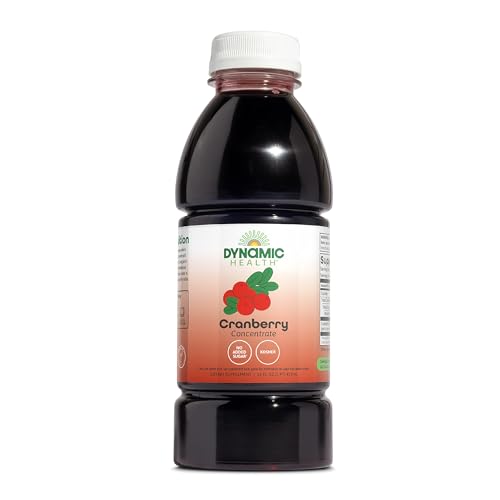
Dynamic Health
DYNAMIC HEALTH 100% Cranberry Juice Concentrate, 16…
- POTENT ANTIOXIDANT. Cranberries contain nutrients like vitamins C and E, plus the added power of the antioxidant quercetin. Antiox…
- COUNT ON CRANBERRY. You’ve probably heard that cranberries are great for urinary tract health. That’s because of proanthocyanidins…
- NO ADDED SUGAR. Our Cranberry Juice Concentrate is made without sweeteners or added sugar. It’s also Vegetarian, Gluten-Free, BPA-…
If you’re using a concentrated juice like Dynamic Health 100% Cranberry Juice Concentrate, you’ll need to dilute it according to the bottle instructions before using it in these recipes. It’s unsweetened, so you control the sugar. That makes it easier to build balanced flavors without cloying sweetness.

Why Cranberry Juice Deserves a Spot in Your Pantry
Cranberry juice has a flavor profile that works in both sweet and savory dishes. It’s tart, slightly bitter, and fruity. That tartness cuts through rich meats like pork and duck, and it brightens roasted vegetables the way lemon does. It also has natural pectin, which helps thicken sauces and glazes without cornstarch.
Nutritionally, cranberry juice is known for antioxidants, especially proanthocyanidins, which may support urinary tract health. Unsweetened juice has about 45 calories per cup and very little sugar—around 4 grams naturally. Compare that to cranberry juice cocktail, which packs 30 grams of added sugar per cup. For cooking, the unsweetened kind is better because you can control sweetness. But if you only have cocktail, you can still use it—just reduce the sugar in your recipe.
One thing to know: cranberry juice is high in acid. That’s why it works so well as a marinade or braising liquid. The acid breaks down proteins, making meat tender. It also helps balance fatty foods. For example, a cranberry pan sauce with a knob of butter tastes rich, tangy, and complex—not just sweet.
The Golden Rule: Choosing the Right Cranberry Juice for Cooking
Not all cranberry juice is created equal. For cooking, you want 100% pure juice, not a cocktail or blend. Pure juice has a concentrated tart flavor and no added sugar. That gives you control over the final taste. Cocktail is sweet and watery, so it’ll make your sauce taste like candy unless you adjust.
Check the label. It should say “100% juice” and list cranberries as the only ingredient. Some brands add apple or grape juice for sweetness—that’s fine, but it changes the flavor. If you’re using a concentrate, dilute it according to the bottle. A 16-ounce bottle of concentrate makes about 64 ounces of juice, so it’s economical.
For recipes that call for a specific amount of juice, use pure juice. If you only have cocktail, reduce the added sugar in the recipe by half. You might also need to simmer longer to thicken, because cocktail has more water.
Here’s a quick comparison to help you choose:
| Type | Ingredients | Sugar per Cup | Best For | Taste Profile |
|---|---|---|---|---|
| 100% Pure Juice | Cranberries (and water, if from concentrate) | 4 grams | Cooking, glazes, marinades, reductions | Tart, sharp, slightly bitter |
| Cranberry Juice Cocktail | Cranberry juice, water, high-fructose corn syrup or sugar | 30 grams | Drinks, mocktails, sweet sauces | Sweet, mild tartness |
| Cranberry Blend | Cranberry juice, apple or grape juice | 15-20 grams | Smoothies, punches, light dressings | Fruity, mildly tart |
| Concentrate | 100% cranberry juice, no water added | N/A (dilute before use) | Syrups, shrubs, intense glazes | Very tart, potent |
If you’re curious about the difference between pure juice and cocktail, this cranberry juice vs. cocktail guide explains it in detail.
Savory Mains and Marinades
Here’s where cranberry juice shines. It’s not just for drinks. Use it as a braising liquid for chicken, a glaze for pork, or a marinade for tofu. The acid tenderizes, and the natural sugars caramelize under heat.
Glazed Pork Tenderloin with Cranberry Pan Sauce
Pork and cranberries are a classic pairing. The sweet-tart glaze balances the rich, slightly gamey pork. This recipe serves four and takes about 30 minutes.
Season a 1-pound pork tenderloin with salt and pepper. Sear it in a hot skillet with oil until browned on all sides, about 8 minutes total. Remove the pork and set aside. In the same pan, add 1 cup of cranberry juice, 2 tablespoons of balsamic vinegar, 1 tablespoon of honey, and a sprig of rosemary. Scrape up the browned bits. Return the pork to the pan and simmer for 10 minutes, turning occasionally, until the internal temperature reaches 145°F. Let it rest for 5 minutes before slicing. The sauce will reduce and thicken into a glossy glaze.
This works because the cranberry juice replaces wine or broth in the deglazing step. It adds flavor and a beautiful color. If you don’t have balsamic vinegar, use apple cider vinegar instead.
Balsamic-Cranberry Reduction for Roasted Vegetables
Roasted carrots, Brussels sprouts, or root vegetables get a major upgrade with a cranberry-balsamic reduction. It’s a simple sauce that adds a tangy-sweet finish.
Combine 1 cup of cranberry juice, ¼ cup of balsamic vinegar, and 2 tablespoons of maple syrup in a saucepan. Simmer over medium heat until reduced by half, about 12 minutes. The mixture will coat the back of a spoon. Drizzle it over roasted vegetables right before serving. The reduction keeps in the fridge for up to two weeks.
This sauce also works well as a glaze for grilled chicken or salmon. Brush it on during the last few minutes of cooking. The sugar in the maple syrup helps create a caramelized crust.
Dressings, Sauces, and Condiments
Cranberry juice makes a fantastic base for vinaigrettes and barbecue sauces. It adds a fruity note without being heavy.
Cranberry Vinaigrette for Winter Salads
A bright, tangy dressing that pairs well with bitter greens like arugula or radicchio. In a small bowl, whisk together ¼ cup of cranberry juice, 2 tablespoons of olive oil, 1 tablespoon of Dijon mustard, 1 teaspoon of honey, and a pinch of salt. That’s it. Shake in a jar if you prefer. The mustard helps emulsify the oil and juice, so the dressing stays mixed.
This vinaigrette is also great on roasted beet salads or as a marinade for chicken. The acid in the juice helps tenderize the meat. If you want a creamier version, blend in 2 tablespoons of Greek yogurt or a handful of toasted walnuts.
Cranberry BBQ Sauce for Grilled Chicken
This sauce is a crowd-pleaser. It’s sweet, tangy, and has a hint of spice. In a saucepan, combine 1 cup of cranberry juice, ½ cup of ketchup, 2 tablespoons of brown sugar, 1 tablespoon of Worcestershire sauce, 1 teaspoon of smoked paprika, and a pinch of cayenne. Simmer for 15 minutes until thickened. Brush it on chicken thighs during the last 10 minutes of grilling. The sugar will caramelize, giving the chicken a sticky, flavorful crust.
You can also use this sauce as a dip for meatballs or as a glaze for roasted tofu. It stores well in the fridge for a week. The cranberry juice adds a fruity depth that you don’t get from regular BBQ sauce.
Baking and Breakfast
Cranberry juice can replace water or milk in baked goods, adding flavor and moisture. It also makes a great syrup for pancakes and oatmeal.
Cranberry Syrup for Pancakes and Oatmeal
This syrup is easy and takes less than 10 minutes. In a saucepan, combine 1 cup of cranberry juice and ¼ cup of honey or maple syrup. Bring to a simmer and cook until slightly thickened, about 8 minutes. Let it cool; it will thicken more as it cools. Drizzle it over pancakes, waffles, or oatmeal. You can also add a cinnamon stick or a piece of orange zest while it simmers for extra flavor.
This syrup is also great in cocktails or as a topping for ice cream. It keeps in the fridge for up to two weeks.
Cranberry-Orange Quick Bread
This bread is moist, tangy, and perfect for breakfast. Preheat your oven to 350°F. In a large bowl, mix 2 cups of flour, 1 cup of sugar, 1 teaspoon of baking powder, ½ teaspoon of baking soda, and ½ teaspoon of salt. In another bowl, whisk together 1 cup of cranberry juice, ¼ cup of melted butter, 1 egg, and the zest of one orange. Pour the wet ingredients into the dry and stir until just combined. Fold in 1 cup of fresh or frozen cranberries. Pour into a greased loaf pan and bake for 50-55 minutes, until a toothpick comes out clean.
The cranberry juice replaces the buttermilk or milk you’d normally use. It adds a subtle tartness that balances the sweetness. The orange zest brightens the flavor. Let the bread cool before slicing, or it will crumble.
Beyond the Glass: Frozen, Reduced, and Concentrated Forms
You can transform cranberry juice into different forms for cooking. Reducing it makes a concentrated syrup that’s perfect for glazes. Freezing it into ice cubes is great for cocktails or for adding to soups and stews without diluting them.
To make a reduction, pour 2 cups of cranberry juice into a saucepan and simmer over medium heat until it reduces to ½ cup. This takes about 20 minutes. The result is a thick, intensely flavored syrup that you can use in place of balsamic glaze. Stir it into sauces, drizzle over roasted meat, or use it as a base for a salad dressing.
Frozen cranberry juice cubes are a simple trick. Pour juice into an ice cube tray and freeze. Use them in iced tea, lemonade, or as a flavor booster for pan sauces. They’ll melt slowly and add flavor without watering things down.
You can also use cranberry juice as a substitute for wine in recipes. For example, in a coq au vin, replace the red wine with cranberry juice and a splash of vinegar. The acid and fruit mimic the wine’s complexity. Similarly, you can use it in place of vinegar in a deglazing step—just use a bit less because it’s sweeter.
Cocktails and Mocktails (The Easy Win)
Drinks are the obvious use, but they’re worth including because they’re simple and crowd-pleasing. The key is to balance the tartness with sweetness and maybe a little fizz.
A Simple Cranberry Shrub Base
A shrub is a drinking vinegar made with fruit and sugar. It’s easy to make with cranberry juice and adds a tangy kick to cocktails or sparkling water. Combine 1 cup of cranberry juice with ½ cup of sugar and ¼ cup of apple cider vinegar in a saucepan. Heat until the sugar dissolves, then let it cool. Store in a jar in the fridge for up to a month.
To make a mocktail, add 2 tablespoons of the shrub to a glass of sparkling water over ice. For a cocktail, add a shot of vodka or gin. The shrub is also great as a marinade for chicken or as a glaze for roasted vegetables.
For more ideas on mixing cranberry juice with fruits in smoothies, check out this cranberry juice smoothie pairings guide.
Storage, Shelf Life, and Make-Ahead Tips
Proper storage keeps your cranberry juice and homemade mixtures fresh longer. Once opened, pure cranberry juice lasts about 7-10 days in the fridge. Cocktail lasts a bit longer, up to two weeks, because of the added sugar. Always check the smell and taste before using. If it smells fermented or sour, toss it.
Homemade cranberry sauces, reductions, and syrups keep for 1-2 weeks in the fridge in airtight containers. You can also freeze them in ice cube trays and then transfer the cubes to a freezer bag. They’ll keep for 3 months. Thaw in the fridge or microwave.
If you have extra juice, freeze it in ice cube trays for later. Or use it to make a batch of cranberry vinaigrette and store it in the fridge. That way you’ll have a quick dressing for salads all week.
One thing to note: cranberry juice can stain plastic containers. Use glass jars if you’re storing something for more than a day.
Frequently Asked Questions (Acidity, Substitutions, and Sugar)
Can I use cranberry juice cocktail instead of pure juice in these recipes?
Yes, but you’ll need to adjust the sugar. Since cocktail has about 30 grams of sugar per cup, reduce or omit the added sweetener in your recipe. You might also need to simmer longer to thicken because cocktail has more water. The flavor will be sweeter and less tart, so the final dish will taste different, but it can still work.
How do I reduce the acidity of cranberry juice in a sauce?
Balance the acid with fat and salt. Add a knob of butter, a splash of cream, or a spoonful of olive oil to the sauce. You can also add a pinch of baking soda—just a tiny bit, because it will foam. Or stir in a spoonful of honey or maple syrup. The sweetness and fat will mellow the sharpness.
Can I substitute cranberry juice for vinegar in a dressing?
Yes, but use less. Cranberry juice is sweeter and less acidic than vinegar. Start with half the amount of vinegar called for, then taste and adjust. You might also add a little extra mustard or a pinch of salt to make up for the lost tang. For a vinaigrette, try 1 part cranberry juice to 2 parts olive oil, with a splash of lemon juice if needed.
Does cranberry juice go bad? How do I know?
Yes, it does. Once opened, pure juice lasts 7-10 days in the fridge. Signs of spoilage include a sour or fermented smell, a change in color, or visible mold. If it tastes fizzy or vinegary, toss it. Unopened bottles can last months past the best-by date, but check for leaks or bulging caps.
Is cranberry juice good for you?
Cranberry juice is rich in vitamin C and antioxidants, which may support immune health and urinary tract health. It also contains proanthocyanidins, which are linked to preventing bacteria from sticking to the urinary tract. However, many commercial juices are loaded with added sugar. Choose unsweetened 100% juice, and you’ll get the benefits without the sugar spike. For more on how to consume cranberry juice for antioxidants, see this cranberry juice antioxidant guide.
What to Do Next: A Quick Recap
- Pick 100% unsweetened cranberry juice for cooking—it gives you control over sweetness and a more tart, complex flavor.
- Use cranberry juice as a deglazing liquid for pan sauces, just like wine or vinegar. It adds color and a fruity tang.
- Make a batch of cranberry-balsamic reduction to have on hand for roasted vegetables, meats, or even as a salad dressing.
- Try a cranberry vinaigrette with Dijon mustard for a bright, emulsified dressing that won’t separate.
- Add cranberry juice to your baking—replace the water or milk in quick breads, muffins, or pancakes for extra flavor.
- Store leftover juice in ice cube trays for easy portioning in smoothies or sauces.
- Remember that cranberry juice is acidic—balance it with fat, salt, or a touch of honey to round out the flavor.


