Skip to content
JuicerAdvicesDrink safety, answered
Tea

How Much Herbal Tea to Drink When Switching From Caffeine

On this page 7 sections
  1. Switching From Caffeine to Herbal Tea: What to Expect
  2. Check Herbal Tea Ingredients for Sugar and Additives
  3. Pick Herbal Teas That Ease Acid Reflux and Stomach Sensitivity
  4. How Herbal Tea Compares With Other Caffeine-Free Drinks
  5. What To Do Next: Switching Steps for Your Situation
  6. Red Bull Caffeine Content Explained
  7. More Questions, Answered
Quick answer
Switching from caffeine to herbal tea is generally safe and can reduce caffeine intake significantly. Herbal teas are naturally caffeine-free infusions of dried herbs or botanicals. Drinking about 1 to 3 cups daily helps ease the transition and avoids withdrawal symptoms.

Many people want to cut back on caffeine for health reasons or medical advice and consider herbal tea as a gentle alternative.

Herbal tea differs from caffeinated teas and coffee in caffeine content, acidity, and sometimes added ingredients. Understanding these differences helps you switch smoothly.

The essentials
Most healthy adults can have up to 400 mg of caffeine a day; pregnancy lowers that to about 200 mg.
An 8.4 oz Red Bull contains about 80 mg of caffeine, similar to a cup of coffee.
Herbal teas are caffeine-free, but check labels for added sugar and avoid those with licorice if you have high blood pressure.
When switching, taper caffeine gradually to avoid withdrawal headaches, and keep total caffeine within limits.

Switching From Caffeine to Herbal Tea: What to Expect

Switching from caffeine to herbal tea is safe and can reduce your caffeine intake gradually. Herbal teas usually contain no caffeine, so your body will get less stimulant. This can lead to withdrawal symptoms like headaches or tiredness at first, but these ease within a few days to a week as your system adjusts.

If you’re moving from coffee to herbal tea, expect fewer jitters and a lower risk of acid reflux since herbal teas typically have less acidity. Coffee can contain about 95 mg of caffeine per 8 oz cup, while herbal teas have none, so the switch significantly lowers your daily caffeine load.

Herbal teas do not provide caffeine’s stimulating effect, so expect a different energy pattern. You might feel more relaxed or notice less jitteriness. Over time, herbal tea can support hydration and digestion without the downsides of caffeine.

Herbal teas usually contain no added sugar and are less acidic than coffee or black tea, which benefits people sensitive to stomach irritation or acid reflux. This makes them a soothing choice when you want to avoid the acidity and sugar sometimes present in commercial coffee drinks.

Worked example
Say you drink two 8 oz cups of coffee daily (about 190 mg caffeine). Switching those to three cups of herbal tea eliminates nearly 200 mg of caffeine and reduces acidity, helping ease withdrawal and digestive discomfort.
Drinks2 cups coffee to 3 cups herbal tea
Caffeinefrom 190 mg to zero
Numi Organic Damiana Focus Tea
Best for a calm, focused switch
Numi Organic Damiana Focus Tea
Numi Organic Damiana Focus Tea offers a caffeine-free blend supporting mental clarity and calm, ideal when you want a gentle transition from coffee.
Check today’s price

Check Herbal Tea Ingredients for Sugar and Additives

Some herbal teas include added sugars, artificial flavors, or other additives that may affect your health goals. Check the ingredient list and nutrition label for sweeteners or preservatives. Choose plain or lightly flavored teas without added sugar to keep your drinks healthy and low-calorie.
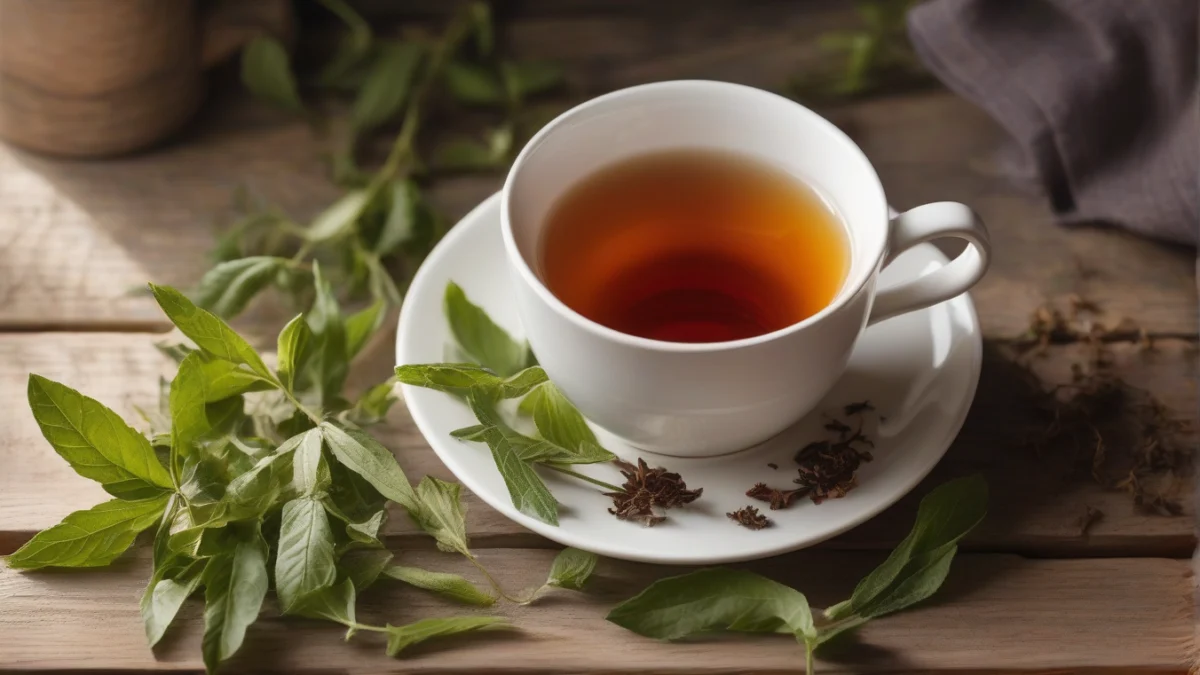
a cup of herbal tea with loose dried herbs scattered beside it on a wooden table
Check ingredient lists to avoid added sugars and additives in herbal teas.

Labels may list sweeteners like cane sugar, honey, or stevia. Added sugars can raise blood sugar and add calories, so opt for teas labeled “unsweetened” or “no added sugar” to avoid surprises.

Some herbal blends include stimulants or caffeine-containing ingredients like guarana or yerba mate. Reading the ingredient list helps you avoid blends that could counter your goal of cutting caffeine.

IngredientEffect
Added sugar (cane sugar, honey)Raises blood sugar and calorie intake
Artificial sweeteners (sucralose, aspartame)May affect metabolism, avoid if sensitive
Guarana, yerba mate, kola nutContains caffeine or stimulants
Pure herbs (chamomile, peppermint)Naturally caffeine-free and safe
Common ingredients and their effects in herbal teas

For comparison, an 8.4 oz can of Red Bull contains about 80 mg of caffeine, which is absent in pure herbal teas. Checking labels avoids accidentally drinking caffeine when you aim to avoid it.

Unsweetened herbal tea supports steady blood sugar and prevents unwanted caffeine intake. If you want sweetness, adding a small amount yourself lets you control how much sugar you consume.

Pick Herbal Teas That Ease Acid Reflux and Stomach Sensitivity

caffeine in red bull: Pick Herbal Teas That Ease Acid Reflux and Stomach Sensitivity

If you have acid reflux or a sensitive stomach, pick herbal teas known to soothe rather than irritate. Chamomile, ginger, and licorice teas are gentle and may ease digestive discomfort. Avoid mint or citrus-based herbal teas, which can sometimes worsen reflux symptoms.
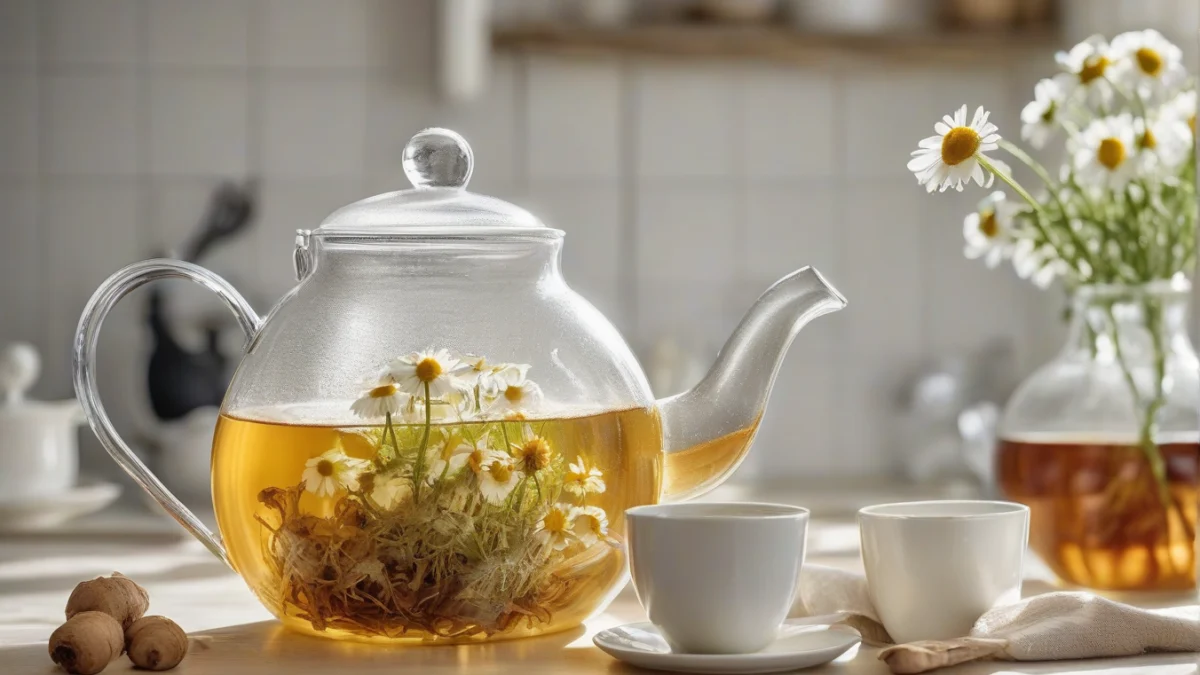
a glass teapot filled with herbal tea next to fresh chamomile flowers and ginger roots
Choose soothing herbal teas like chamomile and ginger for sensitive stomachs.

Chamomile, ginger, licorice root, and slippery elm are among the gentlest herbs. They often ease digestive discomfort and reduce inflammation. These teas typically have a pH closer to neutral, which helps calm an irritated esophagus.

On the other hand, some herbal ingredients like peppermint and hibiscus may aggravate reflux or cause stomach upset in certain people. Peppermint can relax the lower esophageal sphincter, making it easier for acid to travel upward. Hibiscus has a higher acidity level than many herbal teas, so it might sting a sensitive throat.

Coffee and energy drinks usually have a pH between 4.5 and 6, making them acidic enough to irritate reflux. Herbal teas often range from neutral to mildly acidic, so they pose less risk. Still, how your body reacts varies with the specific tea, brewing strength, and your condition.

If you have gastritis or reflux, start with small amounts—about 4 to 8 oz (half to one cup) of a gentle herbal tea daily. Drink it lukewarm rather than hot to avoid irritating the lining of your stomach and esophagus. Avoid adding lemon or other citrus, which can increase acidity.
Tip for Sensitive Stomachs
Choose herbal blends labeled as soothing or stomach-friendly, and keep a diary of your reactions to different teas to find what works best for you.
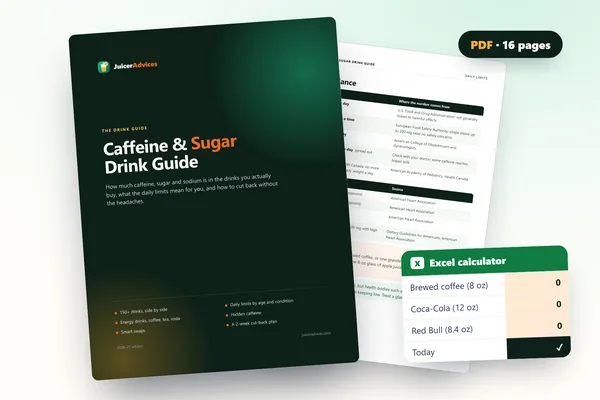
From JuicerAdvices · our own guidePage 6 shows how much caffeine is in each kind of tea, from green to chai.Caffeine & Sugar Drink Guide: the printable guide and its Excel calculatorCaffeine & Sugar Drink GuideKnow exactly how much caffeine, sugar and sodium is in 150+ popular drinks, and set daily limits that fit you.Caffeine and sugar in 150+ drinksDaily limits, smart swaps and a cut-back planDaily caffeine and sugar calculator (Excel)$14.99 $9.99Get it for $9.99See what's inside and watch the 2-minute video →16-page printable PDF + Excel calculator · instant download · 30-day refund

How Herbal Tea Compares With Other Caffeine-Free Drinks

Herbal tea differs from other caffeine-free drinks like water, juice, or decaf coffee. While herbal teas offer flavor and potential digestive benefits, they usually have no calories or sugar if unsweetened. Juices may add sugar and calories, and decaf coffee can still have trace caffeine.

Is there caffeine in orange juice? No, orange juice contains no caffeine. Is there caffeine in tonic water? Some tonic waters may have trace amounts of caffeine, but typically it is very low, less than 10 mg per 12 oz serving.

DrinkCaffeine (mg) per 8 ozAdded Sugar (g) per 8 ozAcidity (approximate pH)
Herbal tea006 to 7 (neutral to mildly acidic)
Decaf black or green tea2 to 504.5 to 6
Seltzer water007 (neutral)
Tonic water0 to 58 to 123 to 4 (acidic)
Orange juice08 to 12 (natural)3.5 to 4 (acidic)
Caffeine and Sugar Content Comparison of Common Drinks

Herbal tea usually has no added sugar or carbonation, making it a mild, soothing choice. You might prefer herbal tea over seltzers or tonic water if you want to avoid bubbles or the bitterness of quinine. Compared with decaf tea, herbal tea offers a wider variety of flavors and no caffeine at all.

When managing reflux or sensitive digestion, herbal teas with gentle herbs are less likely to irritate you than acidic juices or tonic water. If you need hydration with flavor but without caffeine or acidity, herbal tea often fits best.

Note on Sugar and Acidity
Watch out for packaged herbal teas with added sweeteners or flavor enhancers, which can raise sugar and acidity levels unexpectedly.

What To Do Next: Switching Steps for Your Situation

1
Start Cutting Caffeine Gradually
Reduce your usual caffeine intake by about 25% each week to ease withdrawal symptoms like headaches and irritability. Replace those servings with herbal tea cups to maintain hydration and comfort.
2
Drink Herbal Tea During Fasting or Medical Prep
Plain herbal tea without added sugar or milk is usually allowed during intermittent fasting or clear-liquid medical preparations. It supports hydration without breaking your fast or interfering with prep instructions.
3
Monitor Symptoms and Adjust Intake
Notice how your body reacts as you switch. If you experience new digestive discomfort or persistent fatigue, adjust your herbal tea types or quantities. Choose gentler blends and avoid strong flavors if needed.
4
Consult Healthcare Providers When Needed
If symptoms worsen or if you have a chronic condition or medication interactions, talk with your doctor or pharmacist before changing your drink routine. They can advise on safe options and timing.
Numi Organic Damiana Focus Tea
Helpful for gradual caffeine reduction
Numi Organic Damiana Focus Tea
Numi Organic Damiana Focus Tea offers a calm, caffeine-free option with herbs traditionally used for mental clarity and relaxation, easing the transition from caffeine.
Check today’s price
Switching Checklist
Plan to cut caffeine by about 25% weekly
Choose plain herbal tea without additives during fasting or prep
Watch for new or worsening symptoms
Ask your healthcare provider if unsure

Red Bull Caffeine Content Explained

caffeine in red bull: Red Bull Caffeine Content Explained

An 8.4 oz can of Red Bull has 80 mg of caffeine, about the same as a cup of home-brewed coffee. The 12 oz can contains 114 mg, and the 16 oz can has 151 mg. If you’re switching from caffeine to herbal tea, knowing these numbers helps you plan your taper.

DrinkCaffeine per servingServingsTotal
8.4 oz Red Bull80 mg180 mg
12 oz Red Bull114 mg1114 mg
16 oz Red Bull151 mg1151 mg
Total345 mg
Daily limit for most healthy adults (400 mg)86%
Compare Red Bull’s caffeine to your daily limit as you cut back. Totals are calculated from the amounts shown; labels vary by size and brand, so check the one you have.

Red Bull also contains 27 g of sugar in an 8.4 oz can, or 37 g in the 12 oz size. Sugar-free versions have no sugar but the same caffeine. If you’re switching to herbal tea, the sugar drop is a bonus, not a problem.

Caffeine in other energy drinks
Monster has about 160 mg per 16 oz can, and Bang has 300 mg. Red Bull is on the lower end, but its caffeine still adds up fast.
80 mg
Caffeine in an 8.4 oz Red Bull
That’s about the same as a cup of coffee, so one can fits easily within a 400 mg daily limit.
Myth
Red Bull has more caffeine than coffee.
Fact
An 8.4 oz can has about 80 mg, while an 8 oz coffee has about 95 mg. The bigger difference is sugar: a can has 27 g, which matters if you’re watching added sugar.

More Questions, Answered

Can I drink herbal tea immediately after stopping caffeine?
Yes, you can switch to herbal tea right away. Drinking about 1 to 3 cups daily helps ease caffeine withdrawal symptoms by providing hydration and a warm ritual without caffeine’s stimulant effects.
Does herbal tea contain any caffeine at all?
Most herbal teas are naturally caffeine-free because they are made from dried herbs or botanicals, not tea leaves from the Camellia sinensis plant. However, always check the label to confirm, as some blends may add green or black tea.
Are there herbal teas that help reduce caffeine withdrawal symptoms?
Certain herbal teas, like chamomile or peppermint, may soothe headaches and irritability linked to caffeine withdrawal. Their calming properties support relaxation, which can ease symptoms during your transition away from caffeine.
Is it safe to drink herbal tea during a medical fasting period?
Herbal teas without added sugar or calories are generally safe during fasting, but follow your clinic’s instructions. Some herbs may stimulate digestion or have mild effects, so double-check with your care team if unsure.
How much caffeine is in a Red Bull?
An 8.4 oz can of Red Bull has 80 mg of caffeine. The 12 oz can has 114 mg, and the 16 oz can has 151 mg. That’s about the same as a cup of coffee for the small can, but the larger sizes are closer to a strong brewed coffee.
How much caffeine is in a Red Bull?
An 8.4 oz can of Red Bull has 80 mg of caffeine. The 12 oz can has 114 mg, and the 16 oz can has 151 mg. That’s about the same as a cup of coffee for the small can, but the larger sizes are closer to a strong brewed coffee.
How much caffeine is in a Red Bull?
An 8.4 oz can of Red Bull has 80 mg of caffeine. The 12 oz can has 114 mg, and the 16 oz can has 151 mg. That’s about the same as a cup of coffee for the small can, but the larger sizes are closer to a strong brewed coffee.
How much caffeine is in a Red Bull?
An 8.4 oz can of Red Bull has 80 mg of caffeine. The 12 oz can has 114 mg, and the 16 oz can has 151 mg. That’s about the same as a cup of coffee for the small can, but the larger sizes are closer to a strong brewed coffee.
How much caffeine is in a Red Bull?
An 8.4 oz can of Red Bull has 80 mg of caffeine. The 12 oz can has 114 mg, and the 16 oz can has 151 mg. That’s about the same as a cup of coffee for the small can, but the larger sizes are closer to a strong brewed coffee.
How much caffeine is in a Red Bull?
An 8.4 oz can of Red Bull has 80 mg of caffeine. The 12 oz can has 114 mg, and the 16 oz can has 151 mg. That’s about the same as a cup of coffee for the small can, but the larger sizes are closer to a strong brewed coffee.
How much caffeine is in a Red Bull?
An 8.4 oz can of Red Bull has 80 mg of caffeine. The 12 oz can has 114 mg, and the 16 oz can has 151 mg. That’s about the same as a cup of coffee for the small can, but the larger sizes are closer to a strong brewed coffee.
How much caffeine is in a Red Bull?
An 8.4 oz can of Red Bull has 80 mg of caffeine. The 12 oz can has 114 mg, and the 16 oz can has 151 mg. That’s about the same as a cup of coffee for the small can, but the larger sizes are closer to a strong brewed coffee.

Editor

Emily Jones edits JuicerAdvices: plain answers about juices, teas, coffee and everyday drinks, how much is safe, and how they fit with common health conditions, medicines and medical procedures. Every guide is checked against public health and nutrition sources and tells you when to ask your doctor or pharmacist.

More in Tea