Smooth Drinks for Sensitive Stomachs: What’s Safe and How Much
On this page 7 sections
- Smooth Drinks for Sensitive Stomachs and Why They Matter
- How Much Smooth Drink Is Safe for Different Stomach Sensitivities
- Who Should Avoid or Limit Smooth Drinks More Strictly
- Safer Smooth Drink Alternatives for Sensitive Stomachs
- What to Do Next for Your Sensitive Stomach and Smooth Drinks
- Low-Acid Smooth Drinks for Sensitive Stomachs
- Frequently Asked Questions
Sensitive stomachs react to acidity, sugar, and fiber, making some smooth drinks uncomfortable or even painful. Understanding what makes a drink gentle helps you avoid flare-ups or bloating.
This article explains which smooth drinks suit sensitive stomachs, how much you can safely drink, who should be more cautious, and what to try instead.
Smooth Drinks for Sensitive Stomachs and Why They Matter
Some smooth drinks are safe for sensitive stomachs when low in acid, sugar, and irritating ingredients. Smooth texture helps by reducing mechanical irritation, but acidity and sugar content still determine how well your stomach tolerates them.
Sensitive stomachs react to acid, sugar, fiber, and fat because these can increase stomach acid, cause bloating, or delay emptying. Acidic drinks like citrus, pineapple, and carbonated beverages often worsen irritation. Their pH typically ranges from 2 to 4, which is quite acidic compared to neutral water at 7.
Sugar in smooth drinks varies widely. For example, a 12 oz serving of typical fruit smoothie can have 20 to 30 grams of sugar, which may spike acid production or cause discomfort. Fiber content also matters; too much fiber can add bulk and gas, but smooth drinks usually reduce fiber by blending or straining.
Carbonation adds gas and acid, increasing bloating and heartburn risk. Even if a drink is smooth, ingredients like pineapple or citrus juice can trigger symptoms. That’s why low-acid drinks like non-citrus fruit juices or diluted apple juice tend to be gentler choices.
A smooth drink with apple is often well tolerated because apples have a moderate pH around 3.5 to 4 and provide mild sweetness without strong acidity. Using peeled, sweet apple and mixing with water or a mild base can further reduce irritation.
| Smooth Drink Attribute | Effect on Sensitive Stomachs |
|---|---|
| High acidity (pH 2-4) | Increases stomach acid, may cause burning or reflux |
| High sugar (20+ g/12 oz) | Triggers acid spikes and discomfort |
| High fiber (over 5 g/serving) | Can cause gas and bloating |
| Carbonation | Adds gas and acid, worsens irritation |
| Smooth texture | Reduces mechanical irritation, easier to digest |
How Much Smooth Drink Is Safe for Different Stomach Sensitivities
Safe serving sizes vary with stomach sensitivity severity. Mild sensitivity usually tolerates about 6 oz per serving, while moderate cases do better with 4 oz or less. Severe sensitivity often requires avoiding smooth drinks or limiting to 2 oz servings.
Drinking smooth drinks with food slows acid exposure and reduces irritation. Avoid having them on an empty stomach to prevent acid spikes. Frequency matters too — spacing servings throughout the day helps your stomach handle the acid and sugar without overload.
Smaller amounts reduce the total acid and sugar entering your stomach at once, lowering the risk of discomfort. For example, half a cup of diluted apple juice is less likely to trigger reflux than a full cup of citrus smoothie.
Timing also plays a role. Drinking smooth drinks after meals or as snacks is safer than first thing in the morning or late at night when acid production is more reactive.
| Sensitivity Level | Safe Serving Size per Drink | Frequency |
|---|---|---|
| Mild | 4 to 6 oz (half to three-quarters cup) | Up to twice daily, with meals |
| Moderate | 2 to 4 oz | Once or twice daily, with food |
| Severe | Up to 2 oz or avoid | Only occasionally, preferably with meals |
If you had an upset stomach recently, start with very small amounts like 2 oz of a mild juice such as peeled apple or pear diluted with water. Watch how your stomach reacts before increasing the amount.
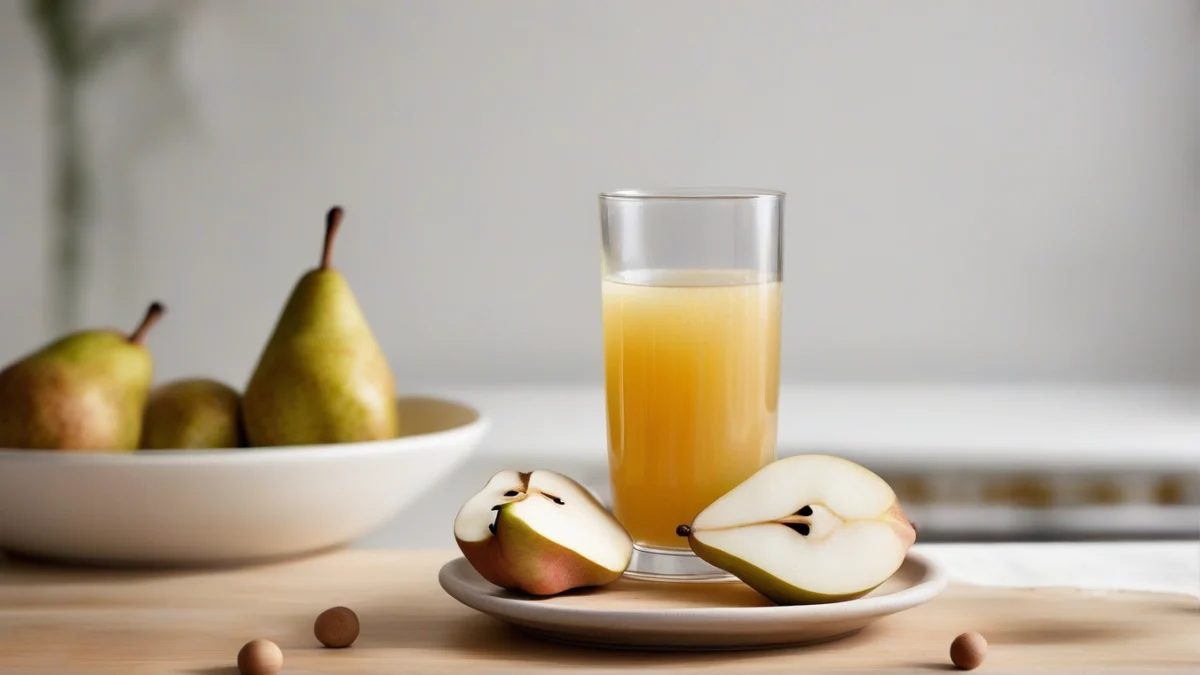
The best juice for sensitive stomachs tends to be low acid varieties like pear, peeled apple, or carrot juice, diluted when needed. These reduce acid load and sweetness that can irritate.
Who Should Avoid or Limit Smooth Drinks More Strictly
People with reflux, ulcers, gastritis, irritable bowel syndrome (IBS), or delayed gastric emptying should limit or avoid smooth drinks that are high in acid, caffeine, or sugar. These ingredients can worsen symptoms by irritating the stomach lining or slowing digestion.
Fruit smoothies every day for several days in a row can cause stomach pain if they are high in acidic fruits or added sugars. The acid and sugar can inflame sensitive tissues and upset digestion, especially if your stomach is already irritated.
If your stomach hurts after drinking fruit smoothies, it’s often due to the acidity or fiber content. Fiber and fermentable sugars called FODMAPs in some fruits can cause bloating and cramps in IBS.
High acid levels in drinks trigger reflux because acid irritates the esophagus and stomach lining. Caffeine stimulates acid production and can worsen ulcers or gastritis. Excess sugar ferments in the gut and fuels bacteria that create gas, leading to bloating and discomfort.
Those who are instructed to follow a clear liquid diet or fasting before procedures should avoid smooth drinks containing pulp, fiber, or sugar. These can interfere with preparation by leaving residue in the stomach or intestines.
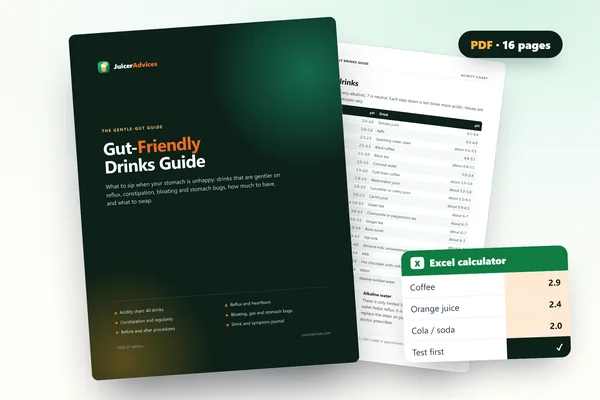 Gut-Friendly Drinks GuideDrinks that are gentler on reflux, constipation and a sensitive stomach: what to sip, how much, and what to swap.Acidity chart for 40 common drinksDrinks for reflux, constipation, bloating and stomach bugsDrink and symptom tracker (Excel)
Safer Smooth Drink Alternatives for Sensitive Stomachs
The best low-acid drinks for sensitive stomachs include juices made from pear, melon, or cucumber. These fruits are naturally low in acid and less likely to cause irritation or reflux.

Herbal teas such as chamomile or ginger tea soothe the stomach lining and reduce nausea. They are caffeine-free and gentle, making them safer choices than coffee or caffeinated teas.
Avoid carbonated or caffeinated beverages because carbonation can increase stomach bloating and caffeine stimulates acid production, both of which can worsen sensitivity.
What to Do Next for Your Sensitive Stomach and Smooth Drinks
Start by checking any advice your care team gave you about drinks and stomach sensitivity. Their instructions take priority over general guidance.
If you want to try smooth drinks like smooth moves tea in the morning, it’s usually safe in small amounts—about 4 to 6 oz (half to three-quarters of a cup). Begin with this portion and watch for any stomach discomfort or unusual symptoms.
Low-Acid Smooth Drinks for Sensitive Stomachs
Low-acid smooth drinks are safer for sensitive stomachs because they reduce irritation and acid reflux risk. Juices made from pear, melon, or cucumber are good examples as they have naturally low acid levels and are less likely to cause discomfort.
Acidic drinks can sting an irritated stomach lining or esophagus, so choosing low-acid options helps protect sensitive digestion. If you experience burning or pain after acidic smoothies, switching to these alternatives may help.
You can safely have about 8 oz (one cup) of low-acid juice or smoothie once or twice a day, depending on your tolerance and any advice from your healthcare provider.