Seltzer and sparkling water are often used interchangeably, but they have key differences that affect taste, nutrition, and how they interact with your body.
Understanding these differences can help you pick the right carbonated water, whether you’re managing reflux, watching calories, or just want a refreshing drink.
Seltzer vs Sparkling Water at a Glance
| Factor | Seltzer | Sparkling Water |
|---|---|---|
| Sugar and Calories | Typically zero calories and no added sugar | Usually zero calories and no added sugar |
| Caffeine Content | Contains no caffeine | Contains no caffeine |
| Acidity and Effects on the Stomach | Contains carbonic acid, can irritate sensitive stomachs | Also acidic but minerals may buffer acidity slightly |
| Electrolytes and Hydration | No significant minerals or electrolytes | Contains calcium, magnesium, and mineral salts |
| Taste and Use | Often flavored with natural essences, fruitier taste | Plain with mineral taste, pairs well with meals |
| Cost per Serving | Similar cost per serving as sparkling water | Similar cost per serving as seltzer |

San Pellegrino Sparkling Natural Mineral Water
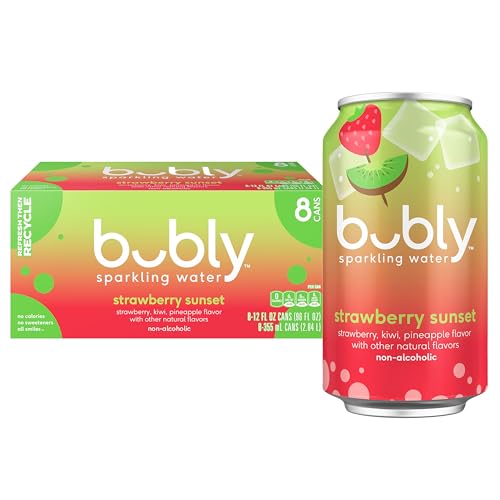
Bubly Sparkling Water Strawberry Sunset
Sugar and Calories in Your Drink
Both seltzer and sparkling water usually contain zero calories and no added sugar. They are plain carbonated waters, so you can expect them to be free from sugars unless something extra is added.
Seltzer is made by carbonating plain water, often with natural flavors added afterward to provide taste, but these flavorings don’t include sugar. This means flavored seltzers remain calorie-free.
Sparkling water comes from natural sources and often contains trace minerals like calcium or magnesium, but these don’t contribute sugar or calories. Its ingredient list typically includes just carbonated water and minerals.
If you’re sensitive to additives, note that some flavored seltzers may include natural flavorings or other ingredients that could cause reactions in rare cases. Checking the label is a good habit if you have sensitivities.
Caffeine Content in Seltzer and Sparkling Water
Neither plain seltzer nor sparkling water contains caffeine. They are simply carbonated waters without any caffeine naturally present.
Caffeine only appears in these drinks if it’s added deliberately, which is uncommon. Most flavored seltzers and sparkling waters remain caffeine-free, but some specialty or energy-style beverages could have caffeine added.
If you are sensitive to caffeine or avoiding it for health reasons, always check the label on flavored varieties before drinking. It’s the only reliable way to avoid unintended caffeine intake.
Why Acid Matters With Gastritis and Stomach Sensitivity
Both seltzer and sparkling water are acidic because they contain dissolved carbon dioxide, which forms carbonic acid. This mild acidity usually measures between pH 3 and 4, making these drinks somewhat acidic but less so than citrus juices or soda.
Sparkling water often has natural mineral acids depending on its source, like carbonic acid plus small amounts of sulfate or bicarbonate ions. These minerals can raise the overall acidity slightly compared to plain seltzer, which is typically just carbonated water without added minerals.
For people with gastritis or acid reflux, acidic drinks can irritate the stomach lining or esophagus. The carbonic acid may worsen symptoms like heartburn or stomach discomfort, especially if consumed in large amounts or on an empty stomach.
Choosing sparkling water with lower mineral acidity or opting for plain seltzer may reduce irritation. Some brands label their pH or mineral content, which helps you pick the gentler option. Drinking these beverages slowly and with food also lessens acid impact.
Electrolytes and Hydration Effects
Sparkling water naturally contains minerals like calcium, magnesium, and sometimes sodium, depending on its source. These minerals act as electrolytes, helping maintain fluid balance and supporting hydration.
Seltzer water usually lacks these minerals since it’s just carbonated plain water without added mineral content. It still hydrates well but doesn’t provide the same electrolyte boost as mineral sparkling water.
Electrolytes in sparkling water can be a slight advantage if you need to replenish minerals after exercise or sweating. The minerals support nerve and muscle function and help the body retain fluids.
Both drinks hydrate effectively since they are mostly water. But if you want some mineral benefit alongside bubbles, mineral sparkling water is the better choice.
| Mineral | S.Pellegrino Sparkling Natural Mineral Water | Typical Plain Seltzer Water |
|---|---|---|
| Calcium (mg) | 80 | 0 |
| Magnesium (mg) | 19 | 0 |
| Sodium (mg) | 33 | 0 |
Cost per Serving Compared
Seltzer and sparkling water generally cost about the same per serving, whether you buy a plastic bottle or a can. A typical 16 oz seltzer bottle or a 12 oz can of sparkling water like bubly Sparkling Water usually falls into a similar price range at most stores.
Packaging can affect the cost and your environmental footprint. Seltzer often comes in plastic bottles, which are lightweight but less recyclable in some areas. Sparkling water commonly comes in aluminum cans or glass bottles, which recycle more easily but may cost a bit more upfront.
Buying in bulk or opting for store brands can significantly lower the price per serving. For example, a 24-pack of bubly sparkling water cans tends to cost less per can than buying singles, and store-brand seltzers often match the taste and quality at a lower cost.
Taste and Usage Considerations
Seltzer water often features added natural flavors without sugar, giving it a fruitier and more varied taste than plain sparkling water. For example, bubly sparkling water offers flavors like lime, cherry, or grapefruit that can brighten your drink without calories.

Sparkling water usually has a clean, mineral taste that comes from its natural source, like the subtle saltiness or earthiness in brands such as S.Pellegrino. This mineral flavor can complement meals and provide a refreshing plain carbonation.
People often use seltzer water as a flavored standalone drink or as a mixer in cocktails and mocktails because its natural flavors enhance other ingredients. Sparkling water tends to be the choice for pairing with food, especially if you want a neutral palate cleanser or hydration without added tastes.
Both types are versatile and can fit many occasions. If you want bubbly hydration with a hint of fruit, seltzer water is a great pick. If you prefer a crisp, mineral-rich experience or need a neutral drink with meals, sparkling water fits well.


