What Is Red Beans Boba and How Is It Made?
On this page 6 sections
Red beans boba combines chewy tapioca pearls with sweet red bean paste, creating a textured, mildly sweet drink popular in Asian tea shops. It’s often made with black tea and milk or milk alternatives for creaminess.
Understanding what goes into red beans boba helps you enjoy it while managing sugar, caffeine, and allergens, especially if you have health concerns or dietary restrictions.
Red Beans Boba: Definition and Preparation
Red beans boba is a bubble tea drink made with sweetened adzuki bean paste, chewy tapioca pearls, tea, and milk. It combines the earthy, slightly sweet flavor of red beans with the smooth texture of milk tea and the chewiness of boba pearls.
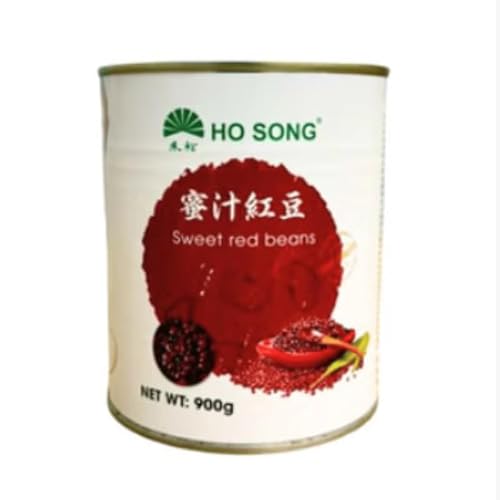
The key ingredient, adzuki beans, are small red beans traditionally cooked down into a sweet paste called koshi-an (smooth) or tsubu-an (chunky). You can make this paste by simmering dried adzuki beans for about 2 hours until very soft, then mashing and sweetening them. Canned red beans or paste are also used but should be boiled briefly to soften before adding to the drink.
Black tea is preferred because its moderate caffeine content (usually 40-70 mg per 8 oz serving) complements the natural sweetness of the red beans without overpowering them. You can use whole milk, oat milk, or soy milk for creaminess, each affecting the flavor slightly. Sweetness mainly comes from the red bean paste and brown sugar syrup soaking the pearls, but you can add simple syrup to taste.
| Drink | Sugar per serving | Servings | Total |
|---|---|---|---|
| 1 serving red beans boba | 15 g | 1 | 15 g |
| Total | 15 g | ||
| Daily added sugar limit for men (36 g) | 42% | ||
| Drink | Caffeine per serving | Servings | Total |
|---|---|---|---|
| 8 oz black tea base in red bean boba | 47 mg | 1 | 47 mg |
| Total | 47 mg | ||
| Daily caffeine limit for most adults (400 mg) | 12% | ||
Comparing Red Beans Boba with Tapioca Boba
Red beans boba differs from traditional tapioca boba mainly because it includes sweetened red bean paste, adding fiber and an earthy sweetness. Classic tapioca boba uses only the chewy tapioca pearls without beans, making it lower in fiber but simpler in flavor.
| Nutrient | Red Beans Boba | Tapioca Boba |
|---|---|---|
| Fiber | About 2-3 g per 8 oz serving (from red beans) | Less than 1 g (mostly from tapioca) |
| Sugar | Moderate: 15-25 g from paste and syrups | Similar or slightly less, mainly from sweetened pearls |
| Caffeine | Depends on the tea base; usually moderate (40-70 mg) | Same caffeine level, based on tea choice |
Red beans boba’s flavor is richer and earthier due to the adzuki beans, while traditional tapioca boba tastes mostly of the tea and sweet syrup. Texture-wise, red bean paste adds creaminess or a slight graininess depending on smoothness, contrasting with the pearly chew of tapioca alone.
For dietary needs, red beans boba suits those seeking more fiber and a natural sweetness source. Tapioca boba works if you want fewer ingredients or a gluten-free, low-fiber option. Both contain caffeine from the tea, so choose your tea base accordingly.
How to Make Vegan Red Bean Boba
Red beans boba can be made fully vegan by choosing plant-based milk and vegan-friendly sweeteners while avoiding dairy and animal-derived additives. This approach keeps the drink creamy and sweet without compromising its traditional flavors.
For the milk component, popular vegan alternatives include oat milk, soy milk, and almond milk. Oat milk offers a naturally creamy texture that blends well with the earthy sweetness of red bean paste. Soy milk provides a protein boost and a mild flavor, while almond milk is lighter and adds a subtle nutty note. Each can replace dairy milk in equal amounts.
Sweeteners also matter. Brown sugar syrup is often used to soak boba pearls and sweeten the tea, and it is usually vegan, but it’s good to check the label for any additives. Agave syrup, maple syrup, and coconut sugar are excellent vegan choices for adjusting sweetness. Avoid honey or sweetened condensed milk, which are animal-derived.
 Caffeine & Sugar Drink GuideKnow exactly how much caffeine, sugar and sodium is in 150+ popular drinks, and set daily limits that fit you.Caffeine and sugar in 150+ drinksDaily limits, smart swaps and a cut-back planDaily caffeine and sugar calculator (Excel)
Food Safety and Storage for Homemade Red Bean Paste and Boba Pearls
Homemade red bean paste is best refrigerated and used within 3 to 5 days to prevent spoilage. Store it in an airtight container once cooled to slow bacterial growth.
Boba pearls need proper cooking and soaking to maintain their chewy texture. After boiling until they float and soften, rinse them briefly in cold water to stop cooking and remove excess starch. Then soak them in brown sugar syrup or a similar sweetener.
To prevent boba pearls from hardening after cooking, keep them submerged in sweet syrup or a flavored liquid at room temperature if serving within a few hours. For longer storage, refrigerate but expect some texture change—reheating in hot water briefly can help restore chewiness.
Freezing cooked boba pearls is possible but not ideal; they tend to harden and lose their signature chew after thawing. If you choose to freeze, store them in syrup in a sealed container and thaw quickly before use, reheating gently.
Considerations for Drinking Red Beans Boba
Red beans boba contains several ingredients that can affect people differently depending on their health. If you have allergies, watch for milk or soy in the milk tea, as well as any added nuts or flavorings. The adzuki beans themselves rarely cause allergies, but check labels if using store-bought paste.
Caffeine content varies by the tea base used. Black tea, the usual choice for red beans boba, contains about 40 to 70 mg of caffeine per 8 oz serving. If you’re sensitive to caffeine or need to limit it for heart or sleep reasons, opt for a caffeine-free tea base or reduce the serving size.
Sugar is another consideration. Sweetened red bean paste and brown sugar syrup soaking the boba pearls add sugar that can raise blood glucose. People with diabetes should limit intake to about 4 oz (half a cup) at a time and avoid extra sweeteners. Unsweetened plant milks and sugar substitutes can help lower sugar content.
Regarding gallbladder health, red beans boba may cause discomfort for some with gallstones or digestive sensitivity. The fat in whole milk and the fiber in beans can trigger symptoms like bloating or pain. If you have gallbladder issues, try smaller amounts or low-fat milk alternatives and watch for reactions.
For a gentler option, cold water or herbal teas without added sugar or dairy provide safe hydration and flavor without these concerns. For more on tea choices with caffeine control, see what black tea do boba shops use.