How Long Should Fresh Cucumbers Soak in Dill Pickle Juice to Make Dill Pickles?
On this page 6 sections
Dill pickle juice is the flavorful brine left over from pickled cucumbers, made from vinegar, salt, dill, garlic, and spices. It acts as both a preservative and flavoring agent for cucumbers when making dill pickles.
Putting fresh cucumbers into dill pickle juice is a popular and simple method to create tangy, crunchy pickles without starting a new brine. This process is practical for making small batches or quick pickles at home.
Using Fresh Cucumbers in Dill Pickle Juice for Pickling
Yes, you can put fresh cucumbers in dill pickle juice to make dill pickles. Dill pickle juice is a flavorful brine made from vinegar, salt, dill, and various spices that preserves cucumbers and infuses them with a tangy, herby taste. When fresh cucumbers soak in this brine, they absorb the flavors while the acidic vinegar and salt slow bacterial growth, making the pickles safe to eat.
Dill pickle juice acts like a natural preservative. The vinegar lowers the pH, creating an acidic environment where most harmful bacteria can’t thrive. Salt also draws moisture from the cucumbers, which helps prevent spoilage and maintains crunch. Dill and spices add their characteristic flavor without compromising safety.
Fresh cucumbers placed in dill pickle juice will start to soften slightly and take on the brine’s taste within hours. For quick refrigerator pickles, about 24 to 48 hours in the juice is enough to develop flavor while keeping a crisp texture. Longer soaking times deepen the flavor but can make cucumbers less crunchy as their cell walls break down.
Using fresh cucumbers means you skip the initial salting or fermenting steps traditional recipes sometimes require. The juice’s vinegar and salt content handles preservation and flavoring immediately. However, cucumbers should be fresh and firm to avoid mushy results after pickling.
| Ingredient | Role in Dill Pickle Juice |
|---|---|
| Vinegar | Creates acidic environment to preserve and flavor |
| Salt | Draws moisture, preserves texture, inhibits bacteria |
| Dill | Adds signature herb flavor |
| Spices (e.g., garlic, peppercorns) | Enhance aroma and taste |
| Drink | Sodium per serving | Servings | Total |
|---|---|---|---|
| 1 cup dill pickle juice | 785 mg | 1 | 785 mg |
| Total | 785 mg | ||
| Daily sodium limit for most adults (2,300 mg) | 34% | ||
Choose the Right Cucumbers and Prepare Them Properly
Pickling cucumbers are best for making dill pickles. These cucumbers are smaller, firmer, and have thinner skins than slicing cucumbers, which helps them stay crunchy in the brine. If you don’t have pickling cucumbers, firm regular cucumbers can work if prepared carefully.
Wash cucumbers thoroughly under cold running water to remove dirt and any pesticide residues. Avoid soaking them for long periods, which can make them waterlogged.

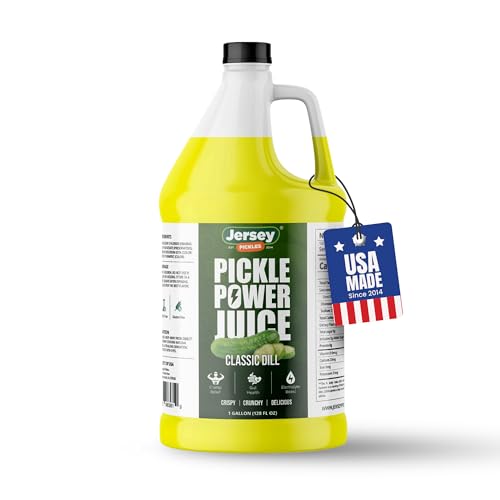
Soaking Time for Cucumbers in Dill Pickle Juice
Soak fresh cucumbers in dill pickle juice for at least 24 hours to achieve noticeable flavor and crunch, but the best results come after 48 to 72 hours in the refrigerator. This timing allows the vinegar, salt, and dill to fully penetrate the cucumbers while maintaining their crisp texture.
Quick dill pickles can be ready in as little as 6 to 12 hours, but they will be milder in taste and less firm. If you soak cucumbers for less than 6 hours, they may taste only faintly pickled and remain mostly raw.
Refrigeration is essential during soaking to keep the cucumbers fresh and safe. At room temperature, cucumbers soften quickly and spoil. Keep the jar or container sealed and chilled between about 34°F and 40°F (1°C to 4°C).
Over-soaking cucumbers, beyond about 5 days, can lead to mushy texture as the vegetables lose their firmness and the brine breaks down the cell walls. Flavor may also become overly sour or salty over time.
If you want a firmer bite, check the cucumbers after 24 hours. For a more intense dill and vinegar taste, wait 2 to 3 days. Adjust soaking time based on your texture and flavor preferences.
 Home Juicing Starter KitMake fresh juice that tastes good, costs less and keeps safely: 40 recipes with exact amounts, a yield chart and a 4-week plan.40 juice, smoothie and shot recipesYield, storage and food-safety chartsCost, yield and shopping-list calculator (Excel)
Reusing Dill Pickle Juice for Additional Pickles
You can reuse dill pickle juice once or twice to make new pickles, provided the brine still tastes tangy and salty. After each use, the acidity and salt dilute as fresh vegetables add moisture. This weakens the brine’s ability to preserve and flavor cucumbers effectively.
Avoid reusing pickle juice if it smells off, appears cloudy beyond normal sediment, or has visible mold. These signs mean the brine is no longer safe or pleasant to use.
Refreshing old pickle juice by adding vinegar and salt can extend its usability. For example, adding a tablespoon of vinegar and a pinch of salt per cup of brine can restore acidity and seasoning to help preserve new cucumbers.
If your pickle juice is too weak or has been stored too long, start with a fresh brine. You can make a simple dill pickle brine with vinegar, water, salt, dill, and spices for best results.
For guidance on safely reusing pickle juice, see our detailed advice on Make More Pickles by Reusing Pickle Juice Safely and Effectively.
Taste, Texture, and Safety of Pickles Made with Dill Juice
Pickles made with store-bought dill pickle juice are usually safe to eat because the vinegar and salt in the brine inhibit harmful bacteria growth. Their acidity preserves the cucumbers effectively, but the flavor can be quite salty and tangy depending on the brand.
Quick pickles, made by soaking cucumbers in dill pickle juice for just a day or two, tend to be less crunchy than traditional fermented pickles. To boost crunchiness, add fresh dill sprigs, garlic cloves, or a pinch of pickling spice, and keep the pickles refrigerated throughout the process.
| Factor | Effect |
|---|---|
| Salt and vinegar concentration | Strong tangy and salty flavor that preserves well |
| Soaking time | Longer soak deepens flavor and softens cucumbers slightly |
| Refrigeration | Maintains crunch by slowing enzyme activity |
| Added ingredients | Garlic, dill, and spices enhance aroma and taste |
Even with refrigeration, watch for signs that pickles have gone bad. Cloudy brine, off smells, mold, or slimy texture indicate spoilage. Do not taste pickles if you notice these signs; discard them promptly to avoid foodborne illness.