Orange juice energy drinks combine the refreshing taste of orange juice with added caffeine and nutrients, providing a flavorful boost of energy and hydration.
Orange juice energy drinks combine the vitamin C punch of citrus with stimulants like caffeine for a refreshing energy boost. But are these beverages truly healthy or just sugar bombs in disguise? Let’s examine the science behind orange juice as an energy source.

V8
V8 +Energy Passionfruit Orange Guava Juice Energy…
- Twenty Four (24) 8 fl oz canss of V8 +Energy Passionfruit Orange Guava Juice Energy Drink
- A passionfruit, orange and guava flavored fruit and vegetable juice blend infused with natural energy from black and green tea
- Each can contains 1 combined serving of veggies and fruit along with 80 milligrams of caffeine – as much as leading energy drink b…
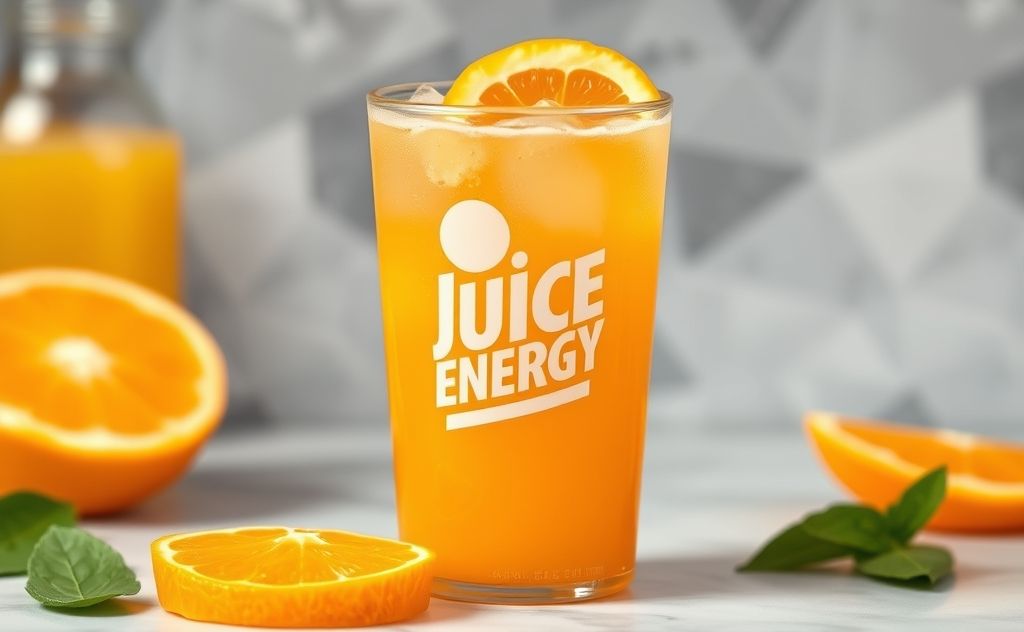
The Rise of Orange Juice Energy Drinks
Modern orange juice energy drinks like Dole Energy Delight blend 50% fruit juice with green tea extract and B vitamins. These products typically contain about 80mg caffeine per serving – equivalent to a cup of coffee. The tropical flavors mask the bitterness of caffeine while providing natural sweetness.
For maximum freshness, consider making your own using a quality electric orange juicer and adding natural caffeine sources like:
- Matcha powder
- Guarana extract
- Yerba mate
Nutritional Profile
A typical 8oz serving of commercial orange juice energy drink contains:
| Nutrient | Amount |
|---|---|
| Calories | 110 |
| Sugar | 22g |
| Vitamin C | 100% DV |
| Caffeine | 80mg |
Health Benefits vs. Risks
Research published in Nutrition & Diabetes reveals orange juice consumption timing significantly impacts metabolic effects:
Benefits When Consumed With Meals
- Decreased body fat (-0.3kg in study)
- Lower GGT liver enzyme levels
- Better nutrient absorption
Risks When Consumed Between Meals
- Increased fat mass (+1.0kg in study)
- Reduced insulin sensitivity
- Higher glucose variability
The study concluded juice with meals had favorable energy balance effects, while between-meal consumption contributed to fat gain.
Making Healthier Orange Juice Energy Drinks
For a balanced homemade version:
- Use fresh-squeezed juice from a commercial-grade juicer
- Limit to 4oz pure juice per serving
- Add sparkling water for volume
- Include fiber sources like chia seeds
- Use natural caffeine alternatives
Blood Sugar Management Tips
To prevent sugar spikes:
- Pair with protein (Greek yogurt, nuts)
- Add cinnamon to improve insulin sensitivity
- Consume after exercise when muscles are glucose-hungry
Commercial vs. Homemade
Store-bought versions often contain:
- Flavor packs to replace lost aromas during pasteurization
- Added sweeteners beyond natural fruit’sugars
- Preservatives for shelf stability
According to the Dole Sunshine Company, even “100% juice” products may be made from concentrate with water added back.
Fresh Alternative Recipe
Try this balanced energy booster:
- 4oz fresh-squeezed orange juice
- 4oz coconut water
- 1/2 tsp matcha powder
- Pinch of sea salt
- Ice cubes
Blend until smooth for a hydrating, electrolyte-rich energy drink with about 50mg natural caffeine.
Related pick: Check today's price on Amazon


