How Much Caffeine Is in Jasmine Pearls Tea and What It Tastes Like
On this page 7 sections
- Jasmine Pearls Tea Has a Smooth, Floral Taste
- How Is Jasmine Pearls Tea Made and Why It Matters
- Caffeine and Acidity Levels in Jasmine Pearls Tea
- Comparing Jasmine Pearls Tea With Other Floral Teas
- Who Should Limit Jasmine Pearls Tea Consumption?
- How To Choose, Brew, and Enjoy Jasmine Pearls Tea
- More Questions, Answered
Jasmine pearls tea is a type of green tea hand-rolled into small pearls and scented with jasmine flowers multiple times. This process gives it a fresh yet subtly sweet floral flavor that unfurls as the pearls steep.
Many people expect jasmine tea to be strongly perfumed or bitter, but jasmine pearls tea often delivers a balanced, mild taste with low bitterness and a calming effect. Understanding its flavor and caffeine content helps you decide how it fits your daily routine.
Jasmine Pearls Tea Has a Smooth, Floral Taste
Jasmine pearls tea tastes smooth and floral with a delicate jasmine aroma and a subtle sweet finish. It is low in bitterness and caffeine, typically containing about 15 to 25 mg of caffeine per 8 oz cup.
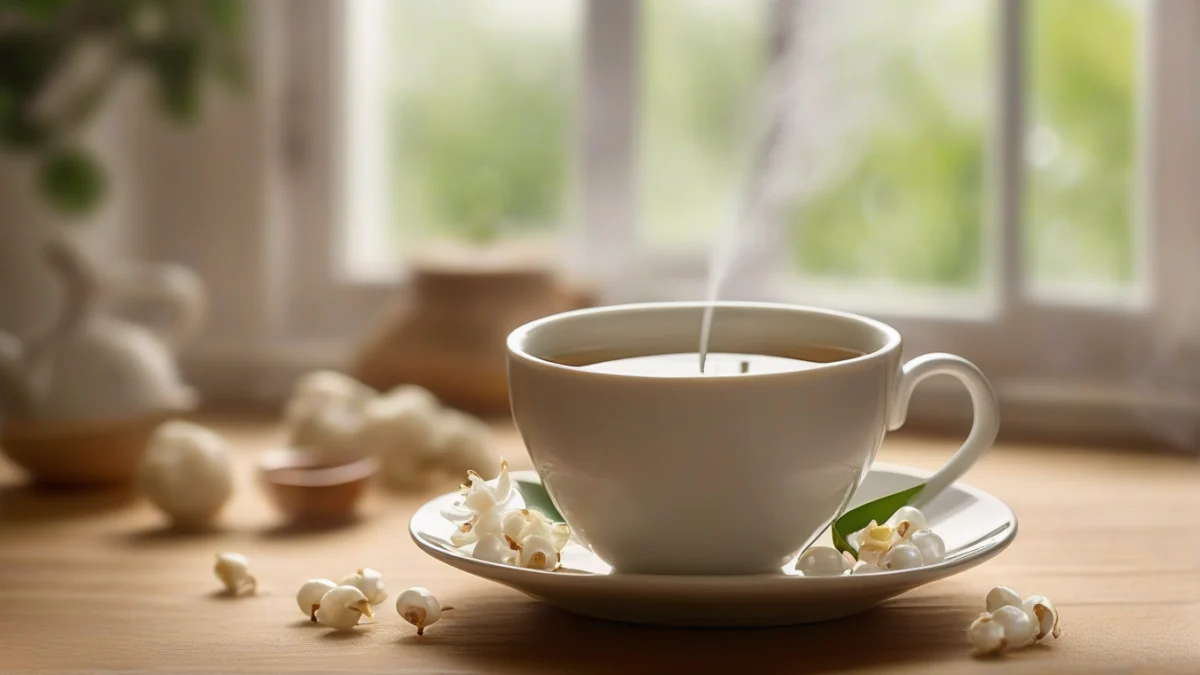
The tea’s mild acidity feels gentle and refreshing on the palate, making it easy to enjoy even if you have a sensitive stomach. As the pearls unfurl in hot water, they create a calming visual effect that adds to the drinking experience.
Quality jasmine pearls tea contains no added sugars or artificial flavors. The natural sweetness and floral notes come solely from the tea leaves and jasmine blossoms used during production. This purity is typical in good loose-leaf products and those made by trusted brands.
| Characteristic | Description |
|---|---|
| Aroma | Delicate jasmine floral scent |
| Flavor | Smooth, mild, subtly sweet |
| Bitterness | Low, mild green tea bitterness |
| Acidity | Mild, gentle on the palate |
| Caffeine | 15–25 mg, lower than standard green tea |
How Is Jasmine Pearls Tea Made and Why It Matters
Jasmine pearls tea is made by hand-rolling tender green tea leaves into tight, small pearls. This careful shaping helps preserve the leaves’ freshness and controls how they release flavor when brewed.
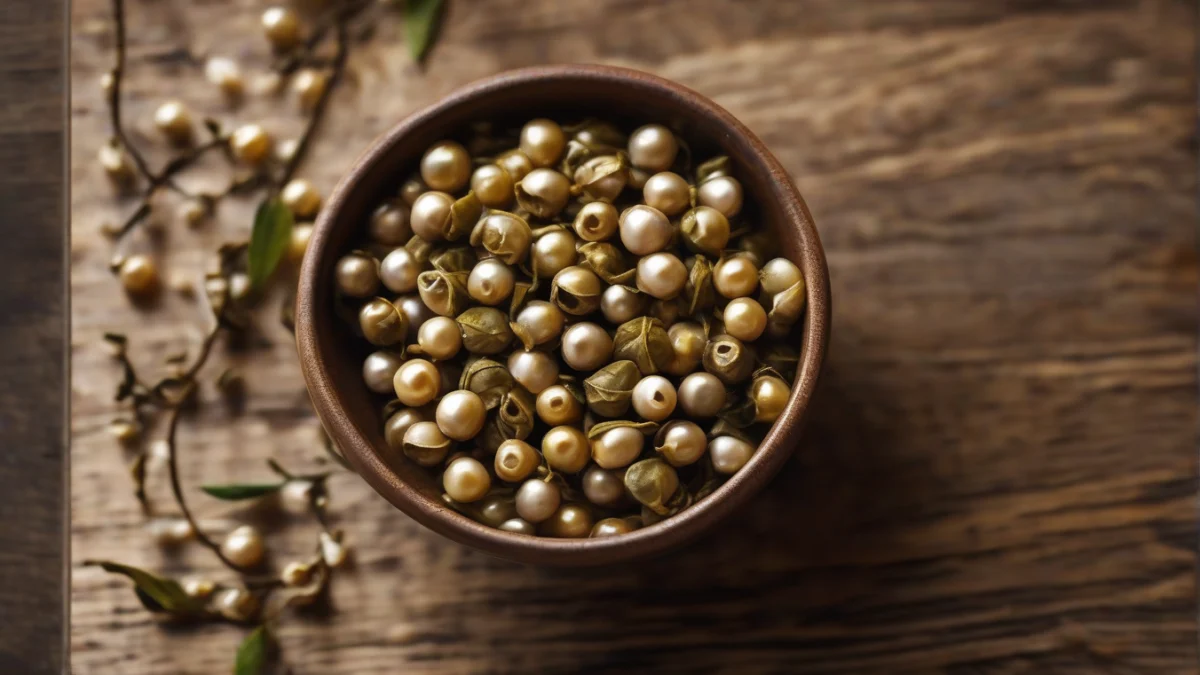
The pearls undergo multiple scentings with fresh jasmine blossoms, often repeated several times to infuse the tea with a natural floral aroma. This process balances the jasmine fragrance with the green tea’s mild grassy flavor, creating a delicate yet rich taste.
Because the tea uses young, tender buds and undergoes minimal oxidation, its caffeine content remains low compared to more processed teas. This makes jasmine pearls tea a good choice if you want a gentle caffeine boost without jitters.
Organic and clean sourcing further enhances the tea’s taste purity. Without pesticides or artificial additives, the final brew has a fresh, natural flavor that reflects the quality of its ingredients.


Caffeine and Acidity Levels in Jasmine Pearls Tea
Jasmine pearls tea has low caffeine, typically about 15 to 25 mg per 8 oz cup. That’s much less than a regular cup of coffee, which usually contains 95 mg or more. Compared to black tea, jasmine pearls tea has roughly half the caffeine or less, making it a gentler choice for those sensitive to stimulants.
Acidity in jasmine pearls tea is mild, with a pH closer to neutral than black tea or coffee. Less acid means it’s less likely to irritate a sensitive stomach or trigger acid reflux. Black tea and coffee typically have higher acidity, which can worsen symptoms in people with reflux or gastritis.
| Drink | Caffeine (mg) | Acidity |
|---|---|---|
| Jasmine Pearls Tea | 15–25 | Mild, near neutral pH |
| Black Tea | 40–70 | Moderate acidity |
| Brewed Coffee | 95+ | Higher acidity |
| Drink | Caffeine per serving | Servings | Total |
|---|---|---|---|
| 8 oz brewed jasmine pearls tea | 30 mg | 3 | 90 mg |
| Total | 90 mg | ||
| Daily caffeine limit for most healthy adults (400 mg) | 23% | ||
 Caffeine & Sugar Drink GuideKnow exactly how much caffeine, sugar and sodium is in 150+ popular drinks, and set daily limits that fit you.Caffeine and sugar in 150+ drinksDaily limits, smart swaps and a cut-back planDaily caffeine and sugar calculator (Excel)
Comparing Jasmine Pearls Tea With Other Floral Teas
Jasmine pearls tea stands out from other floral teas with its smooth, lightly sweet flavor and fragrant jasmine aroma, unlike rose or chamomile teas that lean more toward herbal or fruity notes. Rose tea carries a deeper floral intensity with a slightly tart edge, while chamomile offers a mild, apple-like sweetness and a calming herbal feel. Passion tea usually blends tropical and floral flavors, making it more vibrant and tangy compared to the delicate jasmine pearls.
In terms of caffeine, jasmine pearls tea has a low level, typically 15 to 25 mg per 8 oz cup, which is less than standard green tea’s 25 to 35 mg but more than chamomile or rose teas, which are usually caffeine-free. The acidity in jasmine pearls tea is mild, generally lower than black teas but somewhat higher than herbal infusions.
| Tea Type | Typical Caffeine (mg per 8 oz) | Acidity Level | Typical Sugar Content | Best Time to Drink |
|---|---|---|---|---|
| Jasmine Pearls | 15–25 | Low | None | Morning, afternoon |
| Green Tea | 25–35 | Moderate | None | Morning, afternoon |
| Rose Tea | 0 | Very low | None | Afternoon, evening |
| Chamomile Tea | 0 | Very low | None | Evening |
| Passion Tea | 0 | Low to moderate | None | Afternoon |
All these teas are naturally free of sugar unless you add it yourself. Jasmine pearls tea suits those who want a gentle caffeine boost without the bitterness some green teas have. Its mild acidity also makes it a better choice if you have a sensitive stomach.
Rose and chamomile teas are ideal for low-caffeine or caffeine-free options, especially in the evening. Passion tea works well for a lively afternoon pick-me-up but can be too sharp for sensitive digestion.
Who Should Limit Jasmine Pearls Tea Consumption?
Jasmine pearls tea is generally safe but those with acid reflux or sensitive stomachs should limit intake. Its mild acidity and caffeine can sometimes trigger reflux symptoms. If you notice heartburn or discomfort after drinking it, try smaller amounts or switch to caffeine-free floral teas like chamomile.
Pregnant people should keep caffeine below about 200 mg per day. An 8 oz cup of jasmine pearls tea has about 15 to 25 mg, so drinking up to 3 cups daily usually fits within safe limits. Still, check your healthcare provider’s advice, especially if you have other sources of caffeine.
Medication interactions with jasmine pearls tea are rare. However, some green teas may affect blood thinners or stimulant medications. Always read medicine labels and ask your pharmacist if you’re unsure.
People sensitive to caffeine might feel jittery or have trouble sleeping after jasmine pearls tea. In this case, switching to herbal teas without caffeine is a safer option.
Herbal teas such as chamomile or rose make good alternatives if you need to avoid caffeine and acidity. They offer a floral taste without risking reflux or stimulant effects.
How To Choose, Brew, and Enjoy Jasmine Pearls Tea
Brew jasmine pearls tea with water heated to 80–85°C (175–185°F) and steep the pearls for 3 to 5 minutes. This temperature preserves the delicate jasmine aroma and prevents bitterness from over-extraction.
Loose leaf jasmine pearls tea is the best choice for brewing. It allows the pearls to unfurl fully, releasing their floral scent and smooth taste. Tea bags often contain broken leaves or dust, which can dull the flavor.
Store jasmine pearls tea in an airtight container away from light, heat, and moisture to keep the aroma fresh. Avoid plastic bags that can impart unwanted odors.
High-quality jasmine pearls tea features tight, hand-rolled pearls with a fresh jasmine scent and no added flavors or colorants. The pearls should unfurl gracefully in hot water, releasing a smooth, mildly sweet cup.
If you want to explore more floral teas, see how jasmine pearls compare with rose or chamomile varieties in their flavor and aroma profiles in What Does Rose Tea Taste Like? Floral & Refreshing.