Vita Coco is a widely available coconut water brand popular for its electrolyte content and tropical taste. It offers a convenient way to hydrate with natural minerals, but it is not pure coconut water. Added sugar and texture ingredients affect its nutritional profile and who should drink it.
Understanding Vita Coco’s ingredients, sugar levels, and electrolyte content will help you decide if it fits your diet and health goals. This article covers what you need to know before you pour a bottle.
Is Vita Coco Coconut Water Good For You? Yes, With Limits
Yes, Vita Coco coconut water is good for you within limits. Drinking about 8 to 16 oz (1 to 2 standard bottles) daily offers hydration benefits with key electrolytes like potassium and sodium. It contains added sugar and stabilizers, so those watching sugar or additives should be cautious.

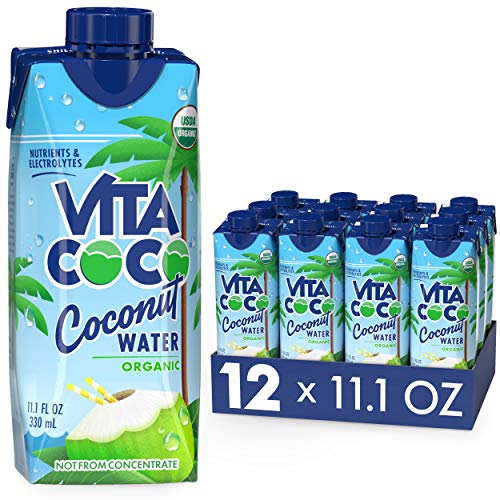
Each 11 oz bottle of Vita Coco Organic Coconut Water provides around 60 calories and 15 grams of sugar, which includes both natural and added sugars. It delivers about 470 mg of potassium and 45 mg of sodium, electrolytes that help replace those lost in sweat and support hydration. Compared to pure coconut water, Vita Coco’s added sugar increases calorie content and may impact blood sugar control.
Vita Coco suits people needing electrolyte replenishment after light exercise, daily hydration, or as a lower-calorie alternative to sodas and many sports drinks. Its fat-free, gluten-free, and non-GMO profile adds to its appeal for general health-conscious consumers.
However, those with diabetes or watching their sugar intake should limit consumption to avoid blood sugar spikes. People sensitive to additives or those on very low-sugar diets might prefer pure coconut water without stabilizers or added sugars. The stabilizer, gellan gum, does not affect most people but may cause mild digestive discomfort in some.
Serving size recommendations typically suggest 8 to 16 oz per day to balance electrolyte benefits with sugar intake. Drinking more can add excess sugar without extra hydration value. For comparison, pure coconut water generally contains no added sugar and fewer calories but may have less consistent taste and shelf life.
| Drink | Sugar per serving | Servings | Total |
|---|---|---|---|
| 11 oz Vita Coco bottle | 15 g | 1 | 15 g |
| Total | 15 g | ||
| Daily added sugar limit for most men (36 g) | 42% | ||
| Drink | Sodium per serving | Servings | Total |
|---|---|---|---|
| 11 oz Vita Coco bottle | 45 mg | 1 | 45 mg |
| Drink | Potassium per serving | Servings | Total |
|---|---|---|---|
| 11 oz Vita Coco bottle | 470 mg | 1 | 470 mg |
Check the Label for Added Sugar and Ingredients
Vita Coco coconut water contains both natural and added sugar, plus stabilizers like gellan gum. An 11 oz bottle has about 15 grams of total sugar. Most of this sugar is natural from coconuts, but added sugar accounts for roughly 1 to 2 grams per serving, according to product data and ingredient order.

Gellan gum acts as a stabilizer to keep the drink’s texture consistent and prevent separation. Coconut puree adds to the flavor and mouthfeel but also contributes natural sugars and some fiber. These ingredients make Vita Coco smoother and more shelf-stable than pure coconut water, which can separate or taste inconsistent.
Added sugar matters if you have diabetes or are watching weight because even small amounts contribute to blood sugar spikes and extra calories. The American Diabetes Association recommends limiting added sugars to about 10% of daily calories, which is about 25 grams on a 2,000-calorie diet. Drinking more than one bottle daily can approach this limit quickly.
Some people find gellan gum or coconut puree cause bloating or mild digestive upset, especially if sensitive to fiber or food additives. If you notice discomfort after drinking Vita Coco, switching to pure coconut water without additives may help.
Alternatives without added sugar or stabilizers include fresh coconut water or brands labeled “100% pure” with no added ingredients. These options hydrate with natural electrolytes but might have shorter shelf life or different taste profiles.
| Ingredient | Role |
|---|---|
| Added sugar | Sweetens and balances flavor but adds calories |
| Gellan gum | Stabilizes texture and prevents separation |
| Coconut puree | Enhances flavor and texture, adds natural sugars and fiber |

Who Should Avoid or Limit Vita Coco Coconut Water?
Vita Coco coconut water is not a good choice if you have diabetes or blood sugar concerns. Each bottle contains added sugars that can raise your blood glucose. You should limit intake to about 4 oz (half a bottle) at a time or avoid it altogether to keep sugar steady.
If you follow a potassium-restricted diet due to chronic kidney disease, Vita Coco is not recommended. Each 16.9 oz bottle has over 500 mg of potassium, which may exceed your daily limit and strain your kidneys.
Coconut is classified as a tree nut by the US Food and Drug Administration, so people with tree nut allergies may react to coconut water. If you have a known nut allergy, check with your allergist before drinking Vita Coco.
Some individuals are sensitive to food additives like gellan gum used as a stabilizer in Vita Coco. This can cause mild digestive upset or allergic reactions in sensitive people, so reading the ingredient list is important if you react to additives.
Those who need very low sodium or sugar drinks should avoid Vita Coco. Its sodium content supports hydration but can exceed recommendations for a low-sodium diet, and added sugars increase its calorie load.
Safer and Healthier Coconut Water Alternatives
Choose pure coconut water with no added sugar or stabilizers for a cleaner hydration option. Brands that list only coconut water as the ingredient avoid additives like gellan gum and added sugars.
Organic coconut water brands often do not add sugar or preservatives, making them a better choice if you want natural sweetness and fewer additives. For example, Vita Coco Organic Coconut Water offers an option with fewer additives compared to the original.
When selecting coconut water, look for products labeled 100% coconut water and check the nutrition facts to confirm zero added sugars. This ensures you get electrolytes without unnecessary calories or chemicals.
If hydration is your goal but you want to avoid sugar or additives, plain water or electrolyte drinks formulated for low sugar and sodium are often safer choices. They provide hydration without the risks linked to coconut water’s sugar or potassium content.
For shoppers curious about popular choices, Aldi and Kirkland both offer coconut water options. Aldi’s tend to be affordable and may have fewer additives, while Kirkland’s organic coconut water is known for its purity and no added sugar.
To learn more about how coconut water compares to other hydration options, see our article on coconut water smoothies for a balanced view.
How to Use Vita Coco Coconut Water Safely and Effectively
Vita Coco coconut water can go bad after opening, so keep an eye on changes in smell, color, or taste. Once opened, store it in the refrigerator and use within 2 to 3 days for safety and freshness. Freezing coconut water is possible in airtight containers but may slightly alter texture when thawed.
For hydration, limit your intake to about 8 to 16 oz (1 to 2 standard bottles) daily. This amount supports electrolyte balance without excess sugar from added ingredients. If you want fewer sugars, dilute Vita Coco with plain water to balance hydration and reduce sweeteners.
Vita Coco offers benefits by providing potassium and sodium, which help replenish electrolytes lost during exercise or illness. Drinking it during or shortly after moderate activity or mild dehydration supports recovery better than water alone. Avoid relying on it for severe dehydration or medical treatment.


