Is Unsweet Tea Good for You? Yes, With Limits
On this page 6 sections
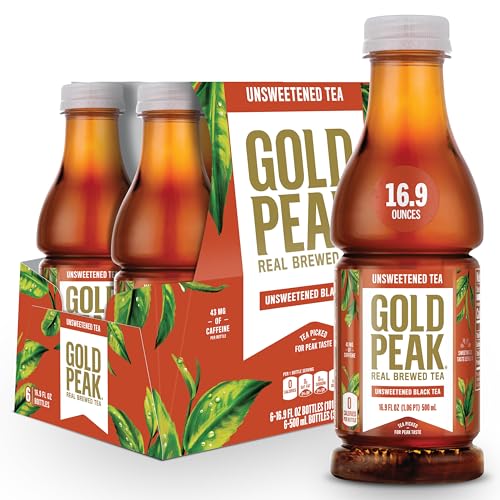
Unsweet tea is simply brewed tea leaves without any added sugar or sweeteners, making it a low-calorie, flavorful drink. It is popular both hot and iced and offers antioxidants and hydration benefits without the downsides of sugary beverages.
Understanding its caffeine, acidity, and oxalate levels helps you decide if it fits your health needs or if you should limit intake.
Unsweet Tea Is Good for Most Adults
Unsweet tea is good for most adults when consumed about 8 oz (one cup) daily. It offers hydration and antioxidants without added sugar, but contains caffeine and oxalates that some people should watch.

Unsweet tea is brewed tea without sugar or sweeteners. A standard 8 oz (240 ml) serving typically has about 2 to 3 calories and around 47 mg of caffeine in black tea, which is less than the average cup of brewed coffee.
The antioxidants in unsweet tea, such as catechins and flavonoids, help neutralize free radicals, which supports cell health. These compounds may modestly reduce inflammation and support cardiovascular health, according to evidence.
Hydration is another benefit. Drinking unsweet tea contributes to your daily fluid intake without added sugars or calories, unlike many other beverages.
| Nutrient | Amount per 8 oz cup |
|---|---|
| Calories | 2-3 kcal |
| Caffeine | About 47 mg (black tea) |
| Added sugar | 0 g |
| Oxalates | Moderate levels |
| Acidity | Mildly acidic (pH ~5 |
A key advantage is the absence of added sugar, which helps avoid extra calories and reduces risk factors for obesity, type 2 diabetes, and dental decay.
Unsweet tea does contain oxalates—natural compounds found in tea leaves. Oxalates can contribute to kidney stones in susceptible individuals, so intake should be monitored if you have that risk.
The beverage is mildly acidic, which rarely causes issues but can irritate sensitive stomachs or reflux sufferers.
Who Should Limit or Avoid Unsweet Tea
Unsweet tea contains caffeine, so people sensitive to it should limit intake to avoid side effects. Caffeine can cause sleep disruption, jitteriness, or increased heart rate in some individuals.
Tannins in unsweet tea reduce iron absorption from plant foods and supplements. If you have iron deficiency or anemia, avoid drinking tea around meals or supplement times.
Oxalates in tea can increase the risk of kidney stones for those prone to them. People with a history of calcium oxalate stones should limit tea to small amounts or consult their doctor.
Black tea can stain teeth over time. Good oral hygiene and regular dental checkups help reduce this effect.
Differences Between Unsweet and Sweet Tea
Sweet tea is not good for you when consumed regularly because it adds significant calories and sugar, which can raise blood sugar levels and increase chronic disease risk. Unsweet tea, by contrast, has almost no calories or sugars, making it a healthier choice for hydration and antioxidant intake.
| Nutrient | Unsweet Tea (8 oz) | Sweet Tea (8 oz) |
|---|---|---|
| Calories | 0–5 | 90–130 |
| Added Sugar | 0 g | 22–30 g |
| Impact on Blood Sugar | Minimal | Raises blood sugar rapidly |
Added sugar in sweet tea causes blood sugar spikes that can lead to insulin resistance over time, raising the risk of type 2 diabetes and heart disease. Unsweet tea avoids these risks by containing no added sugar. For dental health, sugar feeds bacteria that cause cavities and tooth decay, so sweet tea harms teeth more than unsweet tea does.
Unsweet tea supports weight management by providing hydration without calories. Sweet tea’s sugar content contributes to weight gain if consumed frequently, as those extra calories add up quickly. Drinking unsweet tea instead can help control calorie intake without sacrificing flavor.
If you prefer a sweet taste without added sugar risks, try a small amount of natural sweetener like stevia or a squeeze of lemon in your unsweet tea. This approach keeps sugar intake low while improving flavor. Unsweet tea remains a healthier choice for regular consumption compared to sweetened versions.
 Caffeine & Sugar Drink GuideKnow exactly how much caffeine, sugar and sodium is in 150+ popular drinks, and set daily limits that fit you.Caffeine and sugar in 150+ drinksDaily limits, smart swaps and a cut-back planDaily caffeine and sugar calculator (Excel)
Side Effects and Safe Amounts of Unsweet Tea
Unsweet tea side effects mainly come from its caffeine, oxalate, and acidity levels. Most adults can safely consume about 8 oz (one cup) daily without issues. Going beyond 3 to 4 cups a day may lead to side effects.
Caffeine in unsweet tea ranges from 30 to 60 mg per 8 oz serving. Side effects like jitteriness, insomnia, or increased heart rate appear when caffeine intake exceeds about 400 mg daily for most adults. Sensitive individuals should aim for less than 200 mg.
| Substance | Amount per 8 oz Unsweet Tea | Health Concern |
|---|---|---|
| Caffeine | 30–60 mg | Excess intake causes insomnia, jitters |
| Oxalates | 5–10 mg | High intake linked to kidney stones |
| Acidity (pH) | About 4.5 to 5 | Acid can erode tooth enamel |
Oxalates in tea can contribute to kidney stones if consumed in very high amounts. Drinking more than 4 cups daily regularly may increase risk if you have a history of stones or kidney disease. Otherwise, moderate intake is usually safe.
Acidity in tea can wear down tooth enamel, especially if you sip tea throughout the day. Drinking 8 oz at once and rinsing with water afterward reduces this risk. Avoid brushing teeth immediately after acidic drinks to protect enamel.
Safer and Healthier Tea Alternatives
If you want unsweet tea without caffeine, unsweetened herbal teas are a good choice. They naturally lack caffeine and offer hydration plus mild compounds that may soothe digestion or support relaxation.

Decaffeinated brewed teas let you enjoy traditional tea flavors with much less caffeine, typically under 5 mg per 8 oz cup, compared to about 40-70 mg in regular tea. This suits people sensitive to caffeine who still want tea’s antioxidants.
Low-acid teas such as rooibos or white tea are easier on sensitive stomachs and reflux. They avoid the acidity that can irritate an inflamed esophagus or worsen heartburn symptoms.
For specific health needs, exploring nut-based teas like almond tea may provide added nutrients and mild flavors. Almond tea benefits explains how these can fit into your routine.
If you already drank regular unsweet tea but want to reduce side effects, switching gradually to these alternatives helps your body adjust without losing the ritual or hydration benefits.