How Much Caffeine Is in Red Bull? A Detailed Look
On this page 5 sections
You grab a can of Red Bull for a quick boost. It’s a familiar ritual for millions. But have you ever paused to wonder exactly what you’re consuming? Specifically, how much caffeine is in that iconic silver and blue can? The answer is more nuanced than you might think.
Energy drinks are a staple in modern life, from late-night work sessions to early morning commutes. Yet, confusion about their caffeine content is widespread. Is it a coffee equivalent, or something stronger? Let’s cut through the marketing and look at the hard data. For those seeking a cleaner energy alternative, many are turning to options like Bloom Nutrition Sparkling, which offers a different approach to focus and vitality.
How Much Caffeine is in Red Bull? (The Exact Numbers)
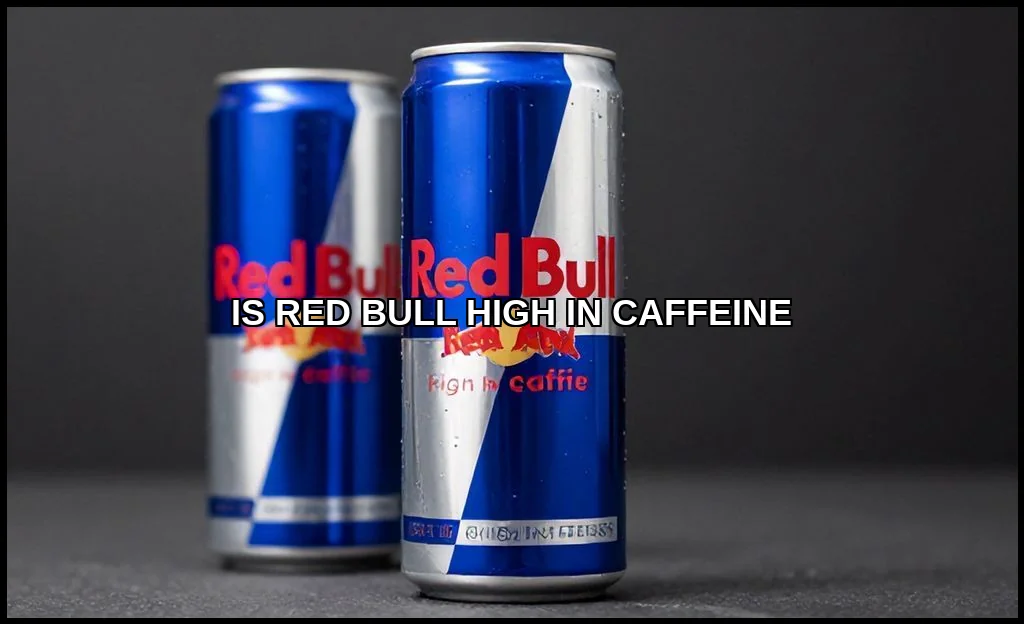
Let’s get straight to the point. A standard 8.4-fluid-ounce (fl oz) can of original Red Bull contains 80 milligrams (mg) of caffeine. This is the benchmark for the brand. It’s a precise figure, but it only tells part of the story.
Why the 8.4 oz size? It’s a global standard for the original product. When you see a taller can on shelves, you’re likely looking at a different variant. The caffeine concentration is about 9.5 mg per fluid ounce. This is key for comparison.
What about larger servings? A common question is how much caffeine is in a 12 oz red bull. The 12 oz “Red Bull” can is actually the “Red Bull Sugarfree” or “Red Bull Total Zero” in many markets. It still contains 114 mg of caffeine. So, size matters. A lot. For a deeper dive into the specifics, you can explore this detailed resource on how much caffeine Red Bull products contain.
Breaking Down the Standard Can
- Caffeine: 80 mg
- Volume: 8.4 fl oz (250 ml)
- Sugar: 27 grams (in the original version)
- Calories: 110
That 80 milligrams (mg) figure is your baseline. It’s consistent. Whether you’re in Tokyo or Toronto, the original small can delivers this amount. This consistency helps in managing your intake against recommended limits.
Red Bull vs. Coffee & Other Energy Drinks: A Caffeine Comparison
So, is red bull higher in caffeine than coffee? Not usually. This is where context is everything. An 8 oz cup of brewed coffee typically contains 95-165 mg of caffeine. Your morning mug could have double the caffeine of a Red Bull. But coffee is often consumed in larger volumes, which changes the math.
The real question is about concentration and consumption habits. People often sip one coffee over an hour. A Red Bull is frequently consumed quickly, leading to a faster, more intense spike in caffeine levels.
Energy Drink Comparison: Red Bull vs. Monster
When looking at red bull caffeine content compared to monster, the difference is stark. A standard 16 oz can of Monster Energy contains about 160 mg of caffeine. That’s twice the caffeine of a standard Red Bull, but in a can that’s almost twice the size. Per ounce, they are surprisingly similar.
| Beverage | Standard Serving | Approx. Caffeine | Caffeine per fl oz |
|---|---|---|---|
| Red Bull (Original) | 8.4 fl oz | 80 mg | ~9.5 mg |
| Brewed Coffee | 8 fl oz | 95-165 mg | ~12-20 mg |
| Monster Energy | 16 fl oz | 160 mg | ~10 mg |
| Espresso (1 shot) | 1 fl oz | 64 mg | 64 mg |
The takeaway? Ounce for ounce, coffee is often more potent. But serving size and drinking speed dramatically alter the physiological impact.
Understanding the Effects: Is This Level of Caffeine Safe?
With 80 mg per can, is Red Bull safe? For most healthy adults, moderate caffeine intakeup to 400 mg per dayis considered safe by health authorities like the FDA. One can of Red Bull fits well within this limit. The problem arises with cumulative consumption.
Think about your total daily intake: morning coffee, an afternoon Red Bull, maybe a soda. It adds up quickly. Exceeding 400 mg can lead to side effects like jitteriness, anxiety, insomnia, and a rapid heartbeat. So, while one can is generally fine, context is critical.
What Are the Side Effects of Red Bull Caffeine?
Beyond the caffeine, it’s the synergy with other ingredients like sugar and taurine that some studies scrutinize. Potential side effects from excessive consumption include:
- Nervousness and restlessness
- Increased heart rate and blood pressure (temporarily)
- Sleep disruption
- Headaches from caffeine withdrawal later
The high sugar content in the original formula (27g) is a separate, significant health consideration. It contributes to the “crash” many experience. For a full picture, it’s useful to also know the much sugar in these drinks.
For personalized advice, the FDA provides an excellent official source on caffeine consumption.
Caffeine in Different Red Bull Variants (Sugarfree, Total Zero, etc.)
Not all Red Bulls are created equal. The brand has expanded, offering choices for different dietary preferences. Crucially, the caffeine content often changes with the can size between variants.
The classic sugar-free variants like Red Bull Sugarfree and Red Bull Total Zero (in the 12 oz can) contain 114 mg of caffeine. They swap sugar for artificial sweeteners but deliver a stronger caffeine punch due to the larger volume.
Other editions, like Red Bull Yellow (Tropical) or Red Bull Red (Watermelon), maintain the 80 mg caffeine level in the 8.4 oz can. The “Red Bull Editions” primarily change the flavor profile, not the core stimulant content.
Always check the label. The 8.4-fluid-ounce (fl oz) can is your clue for the 80 mg baseline. A taller can means more liquid and, typically, more total caffeine.
FAQs: Your Red Bull Caffeine Questions Answered
How much caffeine is in a 12 oz Red Bull?
It contains 114 mg of caffeine. This is the standard for the 12 oz cans of Sugarfree and Total Zero variants.
Is Red Bull stronger than coffee?
In terms of total caffeine per serving, usually not. A medium coffee often has more. However, Red Bull’s combination of caffeine, sugar, and other compounds can create a different, sometimes more intense, perceived effect due to rapid consumption.
What’s the daily caffeine limit?
For healthy adults, the FDA and other health bodies suggest a daily caffeine limit of 400 mg. That’s about five standard Red Bulls or 4-5 cups of coffee. But sensitivity varies widely.
Can I drink Red Bull every day?
Moderation is key. One can daily is within safe limits for most. However, relying on any energy drink for daily function can mask underlying issues like chronic sleep deprivation. It’s a tool, not a solution.
So, is Red Bull high in caffeine? It’s moderate. At 80 mg for the standard can, it’s less than a typical coffee but often consumed in a context that amplifies its effects. The safety hinges entirely on your total daily intake, your personal sensitivity, and what else is in your diet. Understanding the numberslike the standard 80 milligrams (mg) in an 8.4-fluid-ounce (fl oz) canempowers you to make informed choices. Whether you’re comparing it to your morning brew or another energy drink, always consider serving size and your cumulative consumption. Your energy management should be strategic, not a reaction.
