Minute Maid apple juice sits in nearly every grocery cart. Parents grab it for lunchboxes. Adults pour it for breakfast. But is it actually healthy? The answer depends on your definition.
Let’s look at the facts without the marketing noise.
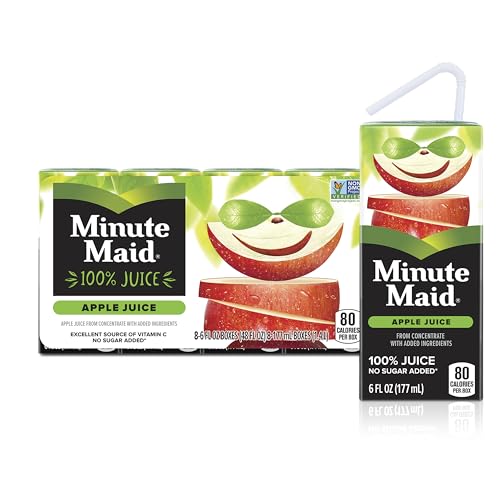
Minute Maid
Minute Maid 6oz 8pk Apple w/ Calcium…
- Enjoy a refreshing classic with Minute Maid 100% Apple Juice
- 100% Apple Juice with an excellent source of vitamin C
- Bringing goodness to your family for 75 years

What’s Actually in Minute Maid Apple Juice
The classic product is 100% apple juice. No added sugar, no artificial colors, no preservatives. That sounds clean. But 100% juice still contains natural sugars.
One 6-fluid-ounce box packs about 17 grams of sugar. That’s roughly 4 teaspoons. All of it comes from apples themselves. The body processes that sugar quickly, much like soda.
Minute Maid also fortifies some versions with calcium and vitamin C. The 8-pack of 6 oz juice boxes includes both. Vitamin C supports immune function. Calcium helps build strong bones. These additions make the drink slightly more nutritious than plain juice.
Still, the sugar load remains the main concern. The American Academy of Pediatrics recommends limiting juice to 4 to 6 ounces per day for children under 7. One small box hits that limit exactly.
The Cheap Way: Store-Bought Juice Boxes
The most affordable path is buying whatever 100% juice is on sale. Minute Maid 6 oz boxes often cost less than fresh-pressed juice. They require zero prep time. You grab a box and go.
This approach works fine if you treat juice as an occasional treat. One small box a day won’t wreck anyone’s diet. The calcium and vitamin C fortification adds a small bonus. For busy parents, the convenience is real.
But there are hidden costs. The sugar spike can leave kids craving more sweets. Empty calories replace more filling snacks. Over weeks, that daily box contributes to weight gain and dental issues.
The cheap way also means accepting pasteurized juice. Heat processing destroys some heat-sensitive vitamins, especially vitamin C. Minute Maid adds vitamin C back, so you’re covered. But other phytonutrients from fresh apples are lost.
The Proper Way: Fresh-Pressed Apple Juice
The better path costs more money and time. You buy whole apples, wash them, and run them through a juicer. Fresh juice retains enzymes and antioxidants that pasteurization kills. It tastes brighter and more complex.
A good masticating juicer preserves nutrients through slow grinding. The result is a cloudy juice with more fiber and polyphenols. Those compounds support gut health and reduce inflammation.
Fresh juice also lets you control the ingredients. You can add ginger, spinach, or celery. You can dilute with water to cut sugar. You know exactly what went into every glass.
The downside is effort. Cleaning a juicer takes five minutes. Buying organic apples costs more. Fresh juice spoils within 48 hours. You must drink it quickly or freeze it.
If you’re serious about juice quality, consider a cold press juicer for apple juice. It yields more juice and less foam. The upfront investment pays off over months of daily use.
Cheap vs. Proper: A Side-by-Side Comparison
| Factor | Minute Maid 6 oz Box | Fresh-Pressed Juice |
|---|---|---|
| Cost per serving | Low (check current price on Amazon) | Higher (apples + electricity) |
| Prep time | None | 10–15 minutes including cleanup |
| Sugar content | ~17g per box | Varies, similar if pure apple |
| Nutrient retention | Pasteurized, some vitamins lost | Raw, enzymes intact |
| Fiber | None | Small amount if pulp added |
| Shelf life | Months unopened | 24–48 hours refrigerated |
| Convenience | Grab and go | Requires planning |
The table shows a clear trade-off. Cheap wins on convenience and cost. Fresh wins on nutrition and taste. Neither is perfect.
When the Cheap Way Is Genuinely Enough
Store-bought juice boxes are fine for occasional situations. Pack one in a lunchbox for a school party. Offer it at a birthday gathering. Use it as a treat after a soccer game.
The key is moderation. One box per day for a healthy child is acceptable. For adults, one small glass with breakfast won’t derail a balanced diet. The calcium and vitamin C fortification adds genuine value for kids who avoid milk.
If you’re on a tight budget, don’t feel guilty about buying Minute Maid. The product is not junk food. It’s real juice with no added sugar. Just don’t let it replace whole fruit or water.
The real problem starts when juice becomes the primary drink. That’s when sugar intake climbs and appetite for solid food drops. Keep juice as a sidekick, not the main character.
When the Cheap Way Is a False Economy
If you drink juice daily, the cheap route costs more in the long run. The sugar spikes lead to energy crashes. Cravings for sweets increase. Dental bills pile up. Weight creeps on.
Fresh juice, despite higher upfront cost, delivers better nutrition per dollar. You get more vitamins, enzymes, and antioxidants. You also get less sugar per glass if you dilute it.
Another hidden cost of cheap juice is environmental. Those 6 oz boxes are single-use plastic and cardboard. A year of daily boxes creates over 365 pieces of waste. A reusable glass and a juicer produce almost none.
For families who drink juice every day, investing in a slow juicer for daily juice makes sense. It handles apples and celery alike. The motor runs cool, preserving nutrients.
What About the Sugar? A Closer Look
Both cheap and fresh apple juice contain similar sugar amounts. One medium apple has about 19 grams of sugar. Juicing removes the fiber that slows absorption. So a glass of juice spikes blood sugar faster than eating the whole fruit.
Minute Maid doesn’t add sugar, but that doesn’t make it low-sugar. The FDA considers added sugar a risk factor. Natural sugar in juice still counts toward daily intake. The American Heart Association recommends no more than 36 grams of added sugar per day for men, 25 for women. One juice box provides nearly half that for a woman.
Fresh juice isn’t automatically better on sugar. If you juice three apples, you get three apples’ worth of sugar in one glass. You wouldn’t eat three apples in one sitting, but you’ll drink that juice easily.
The smart move is to dilute juice with water. Half juice, half sparkling water cuts sugar in half. Or mix juice with vegetable juice. Carrot-apple blends taste sweet but contain less sugar per ounce.
Calcium and Vitamin C: The Fortification Angle
Minute Maid adds calcium and vitamin C to some apple juice products. The 6 oz 8-pack specifically includes these nutrients. Each box provides about 10% of daily calcium and 100% of daily vitamin C.
That’s a genuine benefit for kids who don’t drink milk. Calcium supports bone development. Vitamin C aids iron absorption and immune function. The fortification makes the product more than just sugar water.
But you can get these nutrients from other foods. A glass of milk gives more calcium. An orange gives more vitamin C. Fortified juice is a convenient backup, not a necessity.
Also note that vitamin C degrades over time. A juice box sitting on a shelf for months loses some potency. The label says 100% vitamin C, but the actual amount may be lower by the time you drink it.
How to Choose the Right Juice for Your Family
Start with your budget and schedule. If you have $10 and no time, buy the juice boxes. If you have $100 and 15 minutes a day, invest in a juicer.
For occasional use, the cheap route is smart. Keep a pack of Minute Maid boxes in the pantry. They last for months. They’re perfect for picnics, road trips, and emergency snacks.
For daily consumption, the proper route wins. Fresh juice tastes better and provides more nutrition. The ritual of juicing also encourages mindful eating. You think about the apples you bought and the glass you pour.
You can also combine both. Buy a large chute juicer for quick fruit juice for weekday mornings. Keep a few juice boxes for travel days. That balance works for many families.
Frequently Asked Questions
Is Minute Maid apple juice pasteurized?
Yes. All commercial juices are pasteurized to kill bacteria. That’s why they have a long shelf life. Pasteurization also destroys some enzymes and vitamins.
Does Minute Maid apple juice contain added sugar?
No. The classic 100% juice product has no added sugar. The sweetness comes entirely from apples. Check the label to confirm, as some blends may differ.
Can I give Minute Maid apple juice to my toddler?
Yes, but limit it to 4 ounces per day for children under 7. The American Academy of Pediatrics recommends this amount. Too much juice can cause diarrhea and tooth decay.
Is fresh apple juice always healthier than store-bought?
Not always. Fresh juice has more enzymes and antioxidants. But it also spoils quickly and can carry bacteria if apples aren’t washed properly. Both options have trade-offs.
What’s the best way to reduce sugar in apple juice?
Dilute it with water or sparkling water. Mix one part juice with one part water. You’ll cut sugar in half while keeping the flavor. You can also add a squeeze of lemon for tartness.
Does the calcium in Minute Maid really help?
Yes, if your child doesn’t get calcium from other sources. Each 6 oz box provides about 10% of daily needs. It’s not a substitute for dairy or fortified plant milks, but it helps.
The Bottom Line: What Should You Do?
Minute Maid apple juice is not harmful in moderation. It’s 100% juice with no added sugar. The calcium and vitamin C fortification adds value. For a busy parent on a budget, it’s a reasonable choice.
But it’s not a health food. The sugar content is high, even if natural. The pasteurization removes beneficial compounds. The packaging creates waste.
If you drink juice daily, invest in a juicer. The taste difference is noticeable. The nutritional payoff is real. Your body will thank you for the extra antioxidants and enzymes.
If you’re on a tight budget, don’t stress. Keep the juice boxes for special occasions. Focus on whole fruits and vegetables for daily nutrition. A whole apple gives you fiber and more satiety than any juice.
Whichever path you choose, moderation is key. Juice should complement a diet rich in whole foods, not replace them. Drink water when thirsty. Eat fruit when hungry. Use juice as a treat, not a staple.
For more juice comparisons, check our apple vs orange juice guide. And remember to store juice properly to avoid spoilage.
The truth is simple: Minute Maid apple juice is fine occasionally, but fresh juice is better for daily consumption. Choose based on your budget, time, and health priorities.


