You stand in the grocery aisle staring at a bag of dandelion root coffee. The label says coffee. The ingredients say roasted dandelion. Your brain short-circuits for a second. Is that a tisane? Is it coffee? Does it even matter?
It matters more than you think. The words we use shape how we brew, what we expect from the cup, and how our bodies react. Most people assume coffee is coffee because it’s brown and bitter. But botanically and chemically, coffee and tisanes live in completely different worlds. This article walks through the plant science, the chemical breakdown, and the practical steps to move from coffee to tisanes without losing your mind.
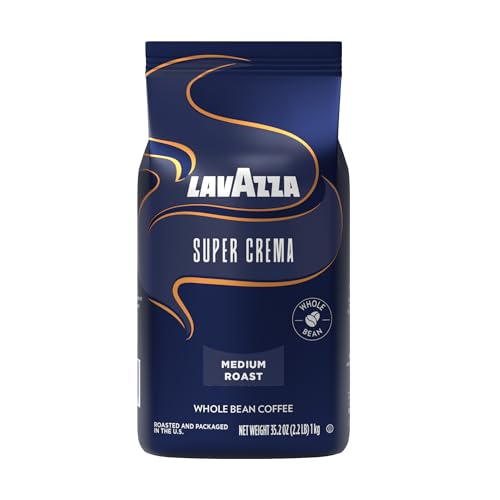
Lavazza
Lavazza Super Crema Whole Bean Coffee, Medium…
- SUPER CREMA: A 2.2 lb whole bean coffee bag ideal for espresso preparation
- INTENSITY AND ROAST: This full-bodied medium roast offers a bold and creamy finish
- BLEND: Made from Arabica and Robusta beans, this naturally caffeinated blend is sourced from 15 coffee-growing countries around th…
You’ll walk away knowing exactly what each drink is, why the confusion happens, and how to make a switch that doesn’t leave you with a throbbing headache.
If you’re planning to stick with real coffee, a solid starting point is a quality whole bean option. The Lavazza Super Crema blend works well for espresso and drip alike. It’s a medium roast with a creamy finish that holds up to milk or stands alone.

What Exactly Is a Tisane? (The Botanical Definition)
A tisane is any beverage made by steeping plant material in hot water. The plant material can be leaves, flowers, roots, seeds, or bark. The key is what it is not: it contains zero leaves from the Camellia sinensis plant.
That distinction matters. True tea comes from one species only. Camellia sinensis gives us green, black, white, and oolong teas. Everything else — chamomile, peppermint, rooibos, hibiscus — falls under the tisane umbrella.
Botanists call tisanes herbal infusions. The French term tisane simply means herbal tea. But calling it tea confuses people. A tisane has no caffeine unless the plant itself carries it (like yerba mate or guayusa). It has no tea polyphenols. It doesn’t come from the tea bush at all.
So a tisane is defined by two things: the botanical source (not Camellia sinensis) and the preparation method (steeping in water).
What Is Coffee? (The Botanical Truth)
Coffee comes from the seeds of the Coffea plant. Those seeds, called beans, are harvested, processed, roasted, and ground. The two commercial species are Coffea arabica and Coffea canephora (robusta).
Arabica makes up about 60% of global production. It grows at high altitudes, tastes sweeter, and contains roughly 1.2% caffeine by weight. Robusta grows lower, tastes more bitter, and packs about 2.2% caffeine. Most commercial blends mix both to balance cost and crema.
Coffee is not a leaf infusion. It’s a seed extraction. You grind the seeds and brew them with water. The brewing method varies — espresso forces water through fine grounds under pressure, French press steeps coarse grounds for four minutes, cold brew soaks grounds for 12 to 24 hours. But the base material never changes.
The Coffea plant belongs to the Rubiaceae family. Camellia sinensis belongs to the Theaceae family. These plants share no botanical lineage. Coffee is no more a tisane than a tomato is a berry (though botanically, tomatoes are berries — but that’s a different argument).
The Core Difference: Plant Origin vs. Brewing Method
Here’s where people get tangled. Both coffee and tisanes involve steeping plant material in hot water. The process looks similar. Drop stuff in water, wait, drink.
But the classification doesn’t come from the method. It comes from the plant.
A tisane demands plant material that is not Camellia sinensis. Coffee demands seeds from the Coffea genus. The brewing method can vary infinitely, but the source plant stays fixed.
Consider this: you can brew coffee in a French press, an espresso machine, or a paper filter. It’s still coffee. You can steep chamomile in a teapot, a mug, or a cold brew pitcher. It’s still a tisane. The vessel doesn’t change the botanical identity.
This is why preparation methods don’t affect the classification debate. Espresso, cold brew, and French press all extract from the same coffee seeds. No amount of pressure or time turns coffee into a tisane.
Why People Confuse Coffee and Tisanes (The Surprising Truth)
The confusion isn’t lazy thinking. It’s manufactured by the beverage industry.
The Rise of Coffee Alternatives (Chicory, Dandelion, Mushroom)
Walk into any health food store and you’ll see bags labeled mushroom coffee, chicory coffee, and dandelion root coffee. None of these contain a single coffee bean.
Chicory root is roasted and ground to mimic coffee’s bitterness. Dandelion root does the same. Mushroom powders (lion’s mane, chaga, reishi) get blended into instant mixes that look and smell like coffee.
These products are tisanes. They’re root infusions with a coffee-like flavor profile. Calling them coffee is a marketing decision, not a botanical one.
The flavor similarity is real. Roasted chicory produces compounds called pyrazines, which also appear in roasted coffee. That shared chemistry tricks your nose into thinking you’re drinking coffee. But the plant source remains completely different.
The Role of Caffeine in the Confusion
Caffeine adds another layer. People associate caffeine with coffee, so they assume anything caffeinated must be coffee. But caffeine appears in over 60 plant species. Tea leaves, cacao pods, guarana berries, and yerba mate all contain caffeine.
Yerba mate is a great example. It’s a tisane (from the Ilex paraguariensis plant) that delivers about 85 mg of caffeine per cup. That’s close to a standard cup of coffee’s 95 mg. Drink it and you’ll feel the buzz, but you’re not drinking coffee.
So the surprising truth is this: coffee alternatives are tisanes in disguise. They borrow coffee’s name for familiarity, but botanically they belong to the herbal infusion family.
Chemical Composition: How Coffee and Tisanes Differ in Your Body
The plant source dictates the chemical profile. Coffee and tisanes affect your body through entirely different compounds.
Coffee’s signature molecule is chlorogenic acid. This polyphenol makes up about 7-10% of green coffee beans by dry weight. Roasting degrades it, but a typical cup still delivers 70-350 mg. Chlorogenic acid influences glucose metabolism and acts as an antioxidant. It’s also responsible for coffee’s slight acidity.
Coffee contains over 1,000 aromatic compounds. The roasting process creates furans, pyrazines, and thiols that give coffee its complex aroma. Caffeine sits at roughly 95 mg per 8-ounce cup, varying by roast and brew method.
Tisanes run a completely different chemical playbook. Chamomile delivers apigenin, a flavonoid that binds to brain receptors and promotes calm. Peppermint offers menthol and rosmarinic acid. Hibiscus provides anthocyanins, the pigments that give it that deep red color. Rooibos contains aspalathin, a unique antioxidant found nowhere else.
The polyphenol profiles differ too. Coffee’s polyphenols are mostly chlorogenic acids. Tisanes carry a mix of flavonoids, phenolic acids, and volatile oils depending on the plant. Your body metabolizes these differently. Coffee hits your system within 45 minutes with a sharp caffeine spike. Chamomile gradually releases apigenin with no stimulant effect.
One more difference: hydration. Coffee acts as a mild diuretic due to caffeine, though regular drinkers build tolerance. Most tisanes are caffeine-free and contribute to daily fluid intake without the diuretic effect.
Can You Substitute Coffee with a Tisane? (A Practical Guide)
Swapping coffee for tisanes works, but you can’t just pour a cup of chamomile and expect the same jolt. The transition takes planning.
Start by identifying why you want to switch. If it’s caffeine reduction, you need a strategy. If it’s digestive comfort or sleep quality, the approach differs.
How to Transition Without Withdrawal Headaches
Caffeine withdrawal is real. The headache typically starts 12-24 hours after your last cup and peaks around 20-51 hours. It can last up to nine days. Here’s a step-by-step plan to avoid it.
- Blend first. Mix your regular coffee with a roasted dandelion or chicory tisane. Start with 75% coffee, 25% tisane. Do this for three days.
- Shift the ratio. Move to 50% coffee, 50% tisane for another three days. Your palate adjusts to the new flavor while your body gets less caffeine.
- Go mostly tisane. Drop to 25% coffee, 75% tisane for three more days. By now, your caffeine intake is down to roughly 25 mg per cup.
- Full tisane. Switch to 100% roasted root tisane. The bitterness and body mimic coffee closely enough that the ritual feels familiar.
This gradual taper prevents the headache because you’re reducing caffeine by about 25% every three days. Your adenosine receptors upregulate slowly, so you don’t crash.
Choose a tisane with a robust flavor. Roasted dandelion root holds up to milk and sweetener. Chicory adds a caramel note. A blend of both gives you the deepest coffee-like profile. Mushroom blends add earthy umami but tend to be milder.
One honest caveat: no tisane will ever replicate coffee’s mouthfeel exactly. Coffee has oils and suspended solids that give it weight. Tisanes run thinner. You’ll notice the difference for the first week. Your palate adapts, but the first few cups feel like watered-down coffee.
Common Myths About Coffee and Tisanes (Debunked)
Plenty of misinformation floats around this topic. Here’s a side-by-side look at what’s true and what’s not.
| Myth | Reality |
|---|---|
| All brown hot drinks are coffee or tea | Color and temperature don’t determine classification. The plant source does. |
| Tisanes are always caffeine-free | Yerba mate and guayusa contain caffeine naturally. Check the label. |
| Decaffeinated coffee is a tisane | Decaf coffee still comes from Coffea seeds. It’s coffee with most caffeine removed. |
| Chicory coffee is real coffee | Chicory is a root from the dandelion family. It’s a tisane that tastes like coffee. |
| Herbal tea and tisane are different | They’re the same thing. Tisane is just the formal term. |
| Mushroom coffee comes from mushrooms | It’s usually instant coffee blended with mushroom extract powder. The base is still coffee. |
The decaf point trips people up. Decaffeinated coffee undergoes a chemical process to strip out caffeine, but the beans remain Coffea seeds. The botanical classification doesn’t change based on processing.
Mushroom coffee deserves special attention. Most commercial mushroom coffees contain regular coffee as the base, with mushroom extract added. That’s not a tisane. It’s coffee with supplements. Read the ingredient list before assuming anything.
Final Verdict: Is Coffee a Tisane?
No. Coffee is not a tisane. They come from different plant families, contain different chemical compounds, and affect your body differently.
Coffee comes from Coffea seeds. Tisanes come from everything else — leaves, flowers, roots, and bark that aren’t Camellia sinensis. The brewing method doesn’t matter. The plant does.
The confusion stems from clever marketing and similar flavor profiles. Chicory and dandelion root taste like coffee because they share some roasted aromatic compounds. But they’re tisanes wearing a coffee costume.
If you’re exploring coffee alternatives, you’re actually exploring tisanes. That’s not a bad thing. Many offer excellent health benefits and smoother energy. Just know what you’re drinking.
For those staying with coffee, the brew method matters as much as the bean. And if you want to understand how different machines extract flavor, check our coffee maker guide for deeper detail.
Takeaways You Can Use Right Now
- Coffee is a seed infusion from the Coffea plant. Tisanes are infusions from any other plant part.
- True tea comes only from Camellia sinensis. Everything else is a tisane.
- Chicory, dandelion root, and mushroom blends are tisanes marketed as coffee alternatives.
- Yerba mate is a caffeinated tisane — caffeine doesn’t make something coffee.
- Transition from coffee to tisanes over 9-12 days using a 25% ratio shift every three days.
- Decaf coffee is still coffee, not a tisane.
- Check ingredient labels on mushroom coffee — most contain real coffee as the base.


