
The Science of Hydration: Coconut Water vs. Plain Water
You’ve seen the marketing: coconut water as nature’s sports drink, packed with electrolytes, the ultimate post-workout recovery. But when you blend it into a smoothie, does it actually outperform plain water? The short answer is: it depends on what you’re doing.
Plain water is perfectly fine for everyday hydration. Your body absorbs it quickly, and it has zero calories. But during intense exercise lasting over an hour, or in hot weather where you sweat heavily, you lose electrolytes—sodium, potassium, magnesium, calcium. That’s where coconut water earns its reputation.
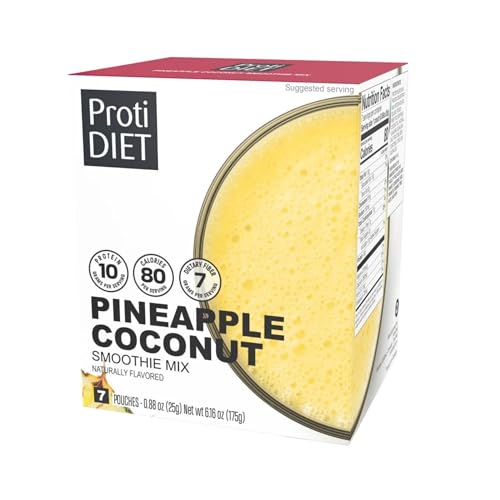
ProtiDIET
ProtiDIET Protein Smoothie Mix, Pineapple Coconut Tropical…
- Refreshing Coconut Pineapple Blend - Enjoy a refreshing fusion of creamy coconut and sweet, juicy pineapple that delivers a bright…
- Protein Smoothie - Quench your thirst with each packet of these delicious nutritional smoothie - a rich flavor of pineapple blend…
- Satiating Sensation - Tired of plain protein drinks? Our pineapple and coconut mix blend is a delicious meal replacement smoothie.…
Coconut water naturally contains about 600 mg of potassium per cup, which is more than a banana. It also has small amounts of sodium (around 30-50 mg per cup) and magnesium. For comparison, a typical sports drink like Gatorade has about 110 mg of sodium and 30 mg of potassium per cup. So coconut water is far richer in potassium, but much lower in sodium.
Here’s the catch: after a heavy sweat session, your body needs sodium more than potassium. That’s why the World Health Organization’s oral rehydration solution (ORS) recommends a specific ratio of sodium to glucose. Coconut water alone doesn’t match that ratio. But when you blend it with a pinch of salt or use it in a smoothie with other ingredients, you can get closer to an effective rehydration drink.
For most people, though, the difference between coconut water and plain water in a smoothie is minimal. The real benefit is flavor and the extra potassium, which helps with muscle function and cramping. If you’re running a 5K or lifting weights for an hour, coconut water smoothies are a nice upgrade. If you’re sitting at a desk, plain water and a banana will do the same job.
One more thing: coconut water is not a miracle cure. It won’t prevent all muscle cramps, and it’s not a substitute for medical hydration therapy in cases of severe dehydration. But as a daily habit, it adds variety and nutrients that plain water doesn’t provide.
If you’re looking for a convenient way to get that coconut-pineapple flavor without pulling out the blender every morning, the ProtiDIET Protein Smoothie Mix is a solid option. Each packet mixes with water in seconds and gives you 10 grams of protein plus a tropical taste. It’s not a full meal replacement, but it works for a quick post-workout drink or a mid-afternoon snack.
How to Choose the Right Coconut Water for Smoothies
Not all coconut water is created equal. Walk down the beverage aisle and you’ll see cartons, bottles, and cans with varying labels: 100% coconut water, coconut water from concentrate, flavored coconut water, and coconut water with added sugar. Your choice matters more than you think.
For smoothies, you want unsweetened, 100% coconut water. Check the ingredient list—it should say only “coconut water” and nothing else. Some brands add sugar or artificial sweeteners, which defeats the purpose of a healthy drink. A 250-ml serving of pure coconut water has about 45-60 calories and 6-8 grams of natural sugars. That’s fine. But if you pick a flavored version, those numbers can double.
Another consideration is whether it’s from concentrate. Coconut water from concentrate is perfectly safe and often cheaper, but the flavor can be slightly more “cooked” or caramelized. For the freshest taste, look for “not from concentrate” on the label. It usually costs more, but in a smoothie, you might not notice the difference.
If you’re buying in bulk, check the expiration date. Coconut water loses its nutrient content over time, especially vitamin C and some B vitamins. A carton that’s been sitting on the shelf for months won’t have the same nutritional punch as a fresh one. You can also buy young green coconuts and crack them open, but that’s a lot of work for a smoothie. Most people stick with packaged brands.
Here’s a quick comparison of common options:
| Type | Calories (per cup) | Sugar (g) | Sodium (mg) | Best For |
|---|---|---|---|---|
| 100% pure coconut water | 45-60 | 6-8 | 30-50 | Everyday smoothies |
| From concentrate | 45-60 | 6-8 | 30-50 | Budget-friendly |
| Flavored (e.g., pineapple, mango) | 70-90 | 12-15 | 30-50 | Sweet tooth, but watch sugar |
| With added sugar | 90-120 | 18-20 | 30-50 | Avoid for regular use |
| Sports drink (e.g., Gatorade) | 80 | 14 | 110 | Intense endurance exercise |
The takeaway: choose plain, unsweetened coconut water. You can always add sweetness with fruit or a dash of honey if needed.
The 5 Essential Rules for a Perfect Coconut Water Smoothie
Making a coconut water smoothie isn’t hard, but a few simple rules separate a refreshing drink from a watery, bland mess.
- Use frozen fruit, not ice. Ice dilutes the flavor and makes the smoothie watery. Frozen bananas, mango, or berries give a thick, creamy texture while keeping the drink cold.
- Balance the sweetness. Coconut water has a mild, slightly nutty flavor. Pair it with sweet fruits like pineapple, mango, or banana, and add a squeeze of lime or lemon to brighten it up. Acidic fruits like berries can make it taste tart, so add a date or a teaspoon of honey if needed.
- Add a thickener. Coconut water is thin. To make a satisfying smoothie, include a frozen banana, Greek yogurt, or avocado. A quarter of an avocado adds creaminess without changing the flavor much.
- Don’t overload with liquid. Start with half a cup of coconut water and add more only if the blender struggles. You can always thin it out, but you can’t thicken it once it’s too runny.
- Mind the sugar. Fruit and coconut water both contain natural sugars. A smoothie with a cup of coconut water, a banana, and a cup of mango has about 30 grams of sugar. That’s fine if it’s a meal or post-workout drink, but it’s a lot for a casual snack. Keep portions in check.
One more tip: blend in a pinch of salt (a quarter teaspoon) to enhance the electrolytes and balance the flavor. It sounds odd, but it works—think of it like adding salt to watermelon.
Recipe 1: The Classic Electrolyte Refresher
This is the simplest coconut water smoothie you can make. It’s great for a hot day or a light post-run snack.
Ingredients:
- 1 cup unsweetened coconut water
- 1 frozen banana
- 1/2 cup frozen pineapple chunks
- 1/4 cup plain Greek yogurt (or a dairy-free alternative)
- Pinch of salt
Instructions: Add all ingredients to a blender and blend until smooth. If it’s too thick, add a splash more coconut water. Serve immediately.
This smoothie delivers about 15 grams of natural sugar, 5 grams of protein (from the yogurt), and a good dose of potassium. The banana adds creaminess, and the pineapple masks the earthy taste of coconut water.
Recipe 2: The Green Recovery Smoothie
Spinach and coconut water are a match made in hydration heaven. This smoothie is packed with magnesium, which helps relax muscles after a workout.
Ingredients:
- 1 cup coconut water
- 1 cup fresh spinach
- 1/2 frozen banana
- 1/2 green apple, chopped
- 1/2 cucumber, peeled
- 1 tablespoon chia seeds
- Juice of half a lime
Instructions: Blend everything until smooth. The cucumber keeps it light, and the lime cuts the bitterness of the spinach.
Chia seeds add a bit of fiber and omega-3s, but they also thicken the smoothie slightly. If you don’t have chia, you can skip them or use flax seeds. This recipe has about 20 grams of sugar, mostly from the apple and banana.
Recipe 3: The Tropical Antioxidant Boost
This one’s for when you want to feel like you’re on vacation. It’s loaded with vitamin C and antioxidants from the berries and mango.
Ingredients:
- 1 cup coconut water
- 1/2 cup frozen mango chunks
- 1/2 cup frozen strawberries
- 1/2 cup frozen pineapple
- 1/4 cup coconut milk (for creaminess, optional)
- 1 teaspoon grated ginger
Instructions: Blend all ingredients until smooth. The ginger adds a slight kick that pairs well with the tropical fruits.
This smoothie has about 25 grams of sugar, but it’s all from fruit. The coconut milk adds healthy fats, which help your body absorb the fat-soluble vitamins (A, D, E, K) from the fruit. If you’re watching calories, skip the coconut milk and use a splash of water instead.
Recipe 4: The Low-Sugar Berry Hydrator
Berries are lower in sugar than tropical fruits, making this a good choice if you’re watching your blood sugar.
Ingredients:
- 1 cup unsweetened coconut water
- 1/2 cup frozen raspberries
- 1/2 cup frozen blueberries
- 1/4 cup plain Greek yogurt (or dairy-free)
- 1 tablespoon lemon juice
- Stevia or monk fruit sweetener to taste (optional)
Instructions: Blend until smooth. The lemon juice brightens the flavor and balances the tartness of the berries.
This recipe has about 12 grams of natural sugar, which is the lowest of the bunch. The yogurt adds protein and creaminess. If you use a plant-based yogurt, check the label for added sugars—some brands sneak in quite a bit.
Recipe 5: The Post-Workout Muscle Soother
This smoothie is designed for after a tough gym session. It combines protein, carbohydrates, and electrolytes to help your muscles recover.
Ingredients:
- 1 cup coconut water
- 1 scoop vanilla or unflavored protein powder (whey, pea, or your choice)
- 1/2 frozen banana
- 1/2 cup frozen cherries or strawberries
- 1 tablespoon almond butter
- Pinch of salt
Instructions: Blend all ingredients until smooth. The almond butter adds healthy fats and a bit of protein, while the cherries help reduce inflammation.
This smoothie packs about 25 grams of protein, 35 grams of carbs, and 600 mg of potassium. It’s a complete recovery drink. If you don’t have protein powder, you can use Greek yogurt or silken tofu, but the protein content will be lower.
For a grab-and-go version, the ProtiDIET Protein Smoothie Mix in pineapple coconut is a decent alternative. It’s not the same as a fresh smoothie, but it mixes in seconds and has 10 grams of protein per packet. Keep a box in your gym bag for emergencies.
The Sugar Trap: Which Recipes Are Actually Healthy?
Here’s the uncomfortable truth: many coconut water smoothie recipes are sugar bombs. A smoothie with coconut water, mango, pineapple, and banana can easily have 40-50 grams of sugar—that’s more than a can of soda. The sugar is natural, but your body doesn’t care much about the source when it comes to blood sugar spikes.
The glycemic index (GI) of coconut water is around 45-50, which is moderate. But when you blend it with high-GI fruits like mango and banana, the overall GI of the smoothie goes up. That’s not a problem if you’re drinking it after a workout or as a meal replacement. But if you’re sipping it while watching TV, you’re just consuming liquid calories.
To keep your smoothie healthy, follow these guidelines:
- Keep the total fruit to about 1.5 cups per smoothie.
- Use berries or green apple instead of tropical fruits if you’re watching sugar.
- Add a protein source (yogurt, protein powder, nut butter) to slow down sugar absorption.
- Skip added sweeteners like honey, agave, or maple syrup.
- If you have diabetes or insulin resistance, check your blood sugar after drinking a new smoothie recipe to see how it affects you.
The table below compares the sugar content of the recipes above:
| Recipe | Total Sugar (g) | Fiber (g) | Protein (g) | Best For |
|---|---|---|---|---|
| Classic Electrolyte Refresher | 15 | 3 | 5 | Light snack |
| Green Recovery | 20 | 6 | 4 | Post-exercise |
| Tropical Antioxidant | 25 | 4 | 2 | Treat |
| Low-Sugar Berry | 12 | 5 | 7 | Daily hydration |
| Post-Workout Muscle Soother | 35 | 5 | 25 | Post-exercise |
Notice that the Post-Workout Muscle Soother has the most sugar, but it also has the most protein and is intended for recovery. Context matters.
Meal Prep and Storage: Making Hydration Easy
The biggest hurdle to drinking coconut water smoothies daily is the prep time. Nobody wants to chop fruit at 6 a.m. The solution: batch prep on the weekend.
Start by making coconut water ice cubes. Pour unsweetened coconut water into an ice cube tray and freeze. These cubes chill your smoothie without diluting it. They’re perfect for when you’re short on time and don’t want to use fresh coconut water from the fridge.
Next, pre-portion your fruit. On Sunday, measure out 1-cup servings of frozen fruit into small zip-top bags or containers. Label each bag with the recipe name. In the morning, just dump the bag into the blender, add a coconut water cube or regular coconut water, and blend.
For smoothies with perishable ingredients like spinach or yogurt, you can prep those too. Blend the smoothie, pour it into an airtight jar, and store it in the fridge for up to 24 hours. The flavor will still be good, but the texture might separate. Give it a good shake before drinking.
One caveat: coconut water loses some of its vitamin C when frozen for more than a month. So don’t stockpile months’ worth of cubes. Make a fresh batch every 2-3 weeks.
If you’re using the ProtiDIET packets, they’re already portioned. Just toss a packet in your gym bag and mix with water when you need it. No prep required.
Frequently Asked Questions
Can I use flavored coconut water in smoothies?
Yes, but check the label. Flavored coconut water often has added sugar or artificial sweeteners. If you use it, reduce or eliminate other sweet fruits in your smoothie. For example, if you use a pineapple-flavored coconut water, skip the pineapple and use a neutral fruit like banana.
Is it safe to drink coconut water smoothies every day?
For most people, yes. Coconut water is low in calories and rich in potassium. But if you have kidney disease or are on a potassium-restricted diet, talk to your doctor first. Too much potassium can be harmful for those with impaired kidney function. Also, if you’re not used to high-fiber smoothies, start with small servings to avoid digestive upset.
Does coconut water in smoothies count toward my daily water intake?
Yes, it does. Coconut water is about 95% water. So a cup of coconut water in your smoothie counts as a cup of fluid. Just remember that it also contains natural sugars and calories, so it’s not a free pass to skip water.
Can I use coconut water instead of milk in smoothies?
Absolutely. Coconut water is a great dairy-free base. It’s lighter than milk, so the smoothie will be less creamy. To compensate, add a frozen banana or a quarter of an avocado for texture. Coconut water also works well with plant-based protein powders.
What’s the best time to drink a coconut water smoothie?
It depends on your goal. For hydration, drink it in the morning or after a workout. For a pre-workout boost, have it 30-60 minutes before exercise—the natural sugars provide quick energy. For recovery, drink it within 30 minutes after a session, especially if you’ve added protein. Avoid drinking a high-sugar smoothie right before bed, as it might disrupt your sleep.
Final Verdict: Hydration Boost or Just Hype?
So, are coconut water smoothies worth the hype? For most people, yes—but with caveats. They’re a tasty way to increase your fluid intake, and the potassium and magnesium are genuine benefits. They’re not a miracle cure for dehydration, and they don’t outperform plain water for everyday activities. But for post-workout recovery, hot days, or just variety, they’re a solid choice.
The key is to use unsweetened coconut water, watch your fruit portions, and balance the sugar with protein and healthy fats. If you do that, you’ll get a refreshing drink that actually helps your body.
Here’s what to remember:
- Use 100% unsweetened coconut water for the best nutrition.
- Keep fruit to 1.5 cups per smoothie to avoid sugar overload.
- Add a protein source to make it more satisfying and balanced.
- Freeze coconut water into cubes for quick smoothies without dilution.
- Drink coconut water smoothies post-workout or on hot days for maximum benefit.
- Don’t rely on them as your only hydration source—plain water is still essential.
- If you’re on a potassium-restricted diet, ask your doctor before making them a habit.
For a quick, no-blender option, the ProtiDIET Protein Smoothie Mix is worth trying. It’s not a substitute for fresh ingredients, but it’s a convenient backup when you’re short on time. You can also find more recipe ideas in our smoothie recipes with coconut water guide, and learn about the benefits of pressed coconut water if you’re curious about that variety.


