Cherry juice stains are a race against time. The pigment is strong and it bonds to fabric quickly. You have a small window where removal is easy. After that, the job gets much harder.
This guide covers the exact steps for clothes and carpets. You will learn when to act, when to wait, and when to give up. Timing matters more than the product you use.
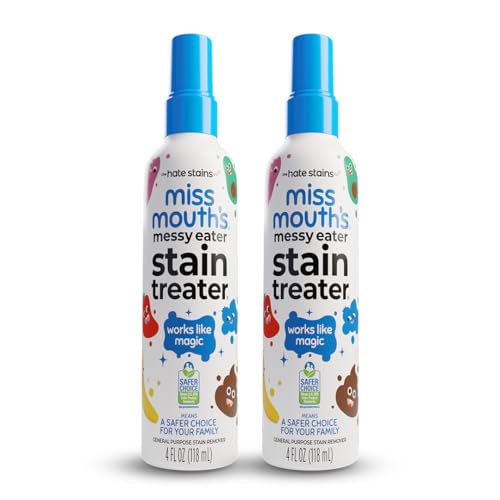
Miss Mouth's
Miss Mouth's Messy Eater Stain Treater, Laundry…
- POWERFUL & FAST WORKING This lightning fast laundry stain remover spray is perfect for clothes, upholstery, and carpets.
- SAFER CHOICE CERTIFIED Our stain remover is proudly EPA Safer Choice certified, giving you peace of mind that it meets your high s…
- WORKS MAGIC ON STAINS This stain remover for baby clothes is great for infants, toddlers, and adults and is effective on both fres…

Why Timing Matters So Much
Cherry juice contains tannins and natural dyes. These compounds sink into fibers within minutes. Once they dry, they oxidize and set permanently.
Think of it like paint. Wet paint wipes off easily. Dried paint requires a scraper and chemicals. The same principle applies to cherry stains.
You have roughly 10 to 15 minutes after the spill. In that window, cold water alone can lift most of the stain. After that, you need a stain remover and patience.
The First 10 Minutes: Immediate Action
Do not rub the stain. Rubbing pushes the juice deeper into the fibers. It also spreads the stain wider.
Blot the area with a clean white cloth or paper towel. Press down firmly and lift. Repeat until you stop picking up liquid.
Run cold water through the back of the fabric. This flushes the juice out the way it came in. Hot water will cook the protein and set the stain forever.
For carpets, use a spoon to scoop up any solid bits. Then blot with a dry towel. Do not pour water directly on carpet yet.
What to Do After the Initial Blot
Once you have blotted the excess, apply a stain remover immediately. A product like Miss Mouth's Messy Eater Stain Treater works well here. It is designed for fresh stains on clothes, upholstery, and carpets.
Spray the stain until it is saturated. Let it sit for five minutes. The formula breaks down the pigment before it bonds.
For clothes, toss them in the wash with cold water after treatment. Check the stain before drying. Heat from the dryer locks in anything left behind.
For carpets, blot the treated area with a damp cloth. Repeat the spray and blot cycle until the stain lifts.
When the Stain Has Already Dried
Dried cherry stains are a different beast. The pigment has oxidized and bonded to the fibers. You can still remove it, but you need a different approach.
Start by dampening the stain with cold water. This rehydrates the dried juice. Then apply a generous amount of stain remover.
Let it sit for 15 to 30 minutes. The longer contact time gives the enzymes time to break down the pigment. You may need to repeat the process twice or three times.
Miss Mouth’s formula is effective on set-in stains, but it is not magic. Old stains from last season may never fully disappear. You can lighten them significantly, but the ghost of the stain often remains.
The Conventional Advice Is Wrong for Carpets
Most guides tell you to act immediately on carpet stains. That advice is wrong when the spill is large. If you soak a carpet with water and stain remover right away, you push the juice into the padding underneath.
The padding acts like a sponge. It holds the juice and wicks it back up over the next few days. You end up with a bigger stain and a lingering smell.
Instead, blot up as much liquid as you can first. Let the carpet dry completely for a few hours. Then treat the stain with a minimal amount of product. Use a dry cloth to blot, not a wet one.
This approach takes longer, but it prevents the stain from spreading to the underlayment. For small spills, immediate treatment is fine. For anything larger than a quarter, let it dry first.
Cold Water vs. Hot Water: The Real Difference
Cold water is your friend. Hot water is your enemy. This is not a suggestion; it is a chemical fact.
Heat causes the tannins in cherry juice to bind with the fibers. Once that bond forms, no amount of detergent will break it. Cold water keeps the pigment suspended so it can be flushed away.
If you are washing a cherry-stained shirt, use the coldest setting on your machine. Skip the pre-wash cycle if it uses warm water. A cold soak for 30 minutes before washing works better than any stain remover.
One exception exists. If the fabric is 100% cotton and the stain is fresh, a cold wash followed by a hot wash can work. The cold wash removes the bulk. The hot wash then lifts the residue. But this only works on fresh stains, never dried ones.
Tools You Need for the Job
You do not need a cabinet full of chemicals. A few basics cover most situations.
- White cloths or paper towels for blotting
- Cold running water
- A spray stain remover like Miss Mouth's Messy Eater Stain Treater
- White vinegar for stubborn residue
- Baking soda for carpet odors
White vinegar works as a backup. Mix one part vinegar with two parts cold water. Dab it on the stain, blot, then rinse with cold water. Vinegar breaks down the pigment without damaging most fabrics.
Baking soda helps after the stain is gone. Sprinkle it on the carpet spot to absorb any residual moisture and odor. Vacuum it up after it dries.
Step-by-Step for Clothes
Follow this exact sequence for any cherry juice spill on clothing.
- Blot the excess juice with a dry cloth. Do not rub.
- Hold the fabric under cold running water, with the stain facing down. Let the water push the juice out.
- Apply stain remover directly to the stain. Rub it in gently with your fingers.
- Wait five minutes.
- Wash in cold water with your regular detergent.
- Check the stain before drying. If it remains, repeat steps 3 through 5.
- Air dry the item. Heat sets any leftover pigment.
This works for most fabrics, including cotton, polyester, and blends. Silk and wool require extra care. Test the stain remover on a hidden seam first.
Step-by-Step for Carpets
Carpets need a slightly different approach because you cannot toss them in a washing machine.
- Blot up as much liquid as possible with a dry towel.
- For large spills, let the carpet dry completely for a few hours.
- Dampen the stain with cold water using a spray bottle.
- Spray stain remover directly on the spot.
- Blot with a clean dry cloth. Press down, do not scrub.
- Repeat the spray and blot cycle until the stain lifts.
- Rinse the area with cold water and blot dry.
- Place a stack of paper towels over the spot and weigh them down. Leave overnight.
The paper towels draw out any remaining moisture. This prevents the stain from wicking back up from the padding.
Comparison: Fresh vs. Set-In Stain Removal
| Aspect | Fresh Stain (Under 15 Min) | Set-In Stain (Hours to Days) |
|---|---|---|
| Difficulty | Easy | Hard |
| Water temperature | Cold | Cold |
| Stain remover contact time | 5 minutes | 15 to 30 minutes |
| Number of treatments | 1 | 2 to 3 |
| Success rate | High | Moderate |
| Risk of permanent mark | Low | High |
The table shows one clear truth. Act in the first quarter hour and you win. Wait an hour and you are gambling.
Seasonal Factors That Change the Game
Cherry season runs from June to August in most regions. That is when stains happen most often. The heat and humidity of summer affect how fast a stain sets.
In summer, juice dries faster. The warm air evaporates the water quickly, leaving the pigment behind to bond. You have less time to act in July than in January.
Winter spills are easier. The cooler air slows the drying process. You get an extra five to ten minutes before the stain sets.
One more seasonal factor: sun exposure. If a stained item sits in direct sunlight, the UV rays accelerate the oxidation process. Keep stained items out of the sun until you treat them.
When It Is Already Too Late
Some stains will not come out. You need to know when to stop trying. Continuing to scrub damages the fabric and wastes your time.
Signs that a stain is permanent:
- The stain has been through a dryer cycle
- The fabric is white and the stain is dark red
- Multiple treatments have not lightened it
- The stain is older than a few months
Once a cherry stain goes through a hot dryer, the heat sets it permanently. No product on the market can reverse that. Accept the loss and move on.
For white fabrics, you can try a chlorine bleach solution as a last resort. But this only works on bleach-safe fabrics. Test it on a hidden area first. It is a gamble, and it often fails.
Prevention for Next Time
You cannot prevent every spill. Kids drop things. Adults make mistakes. But you can reduce the damage.
Keep a stain remover spray in your laundry room and one in your kitchen. The distance between the spill and the treatment matters. A 30-second walk beats a five-minute search.
Wear an apron when juicing cherries at home. It sounds simple, but it saves your clothes more often than you think. If you are using a juicer, check out this guide on higher juice yield to reduce mess and waste.
For carpets, consider a stain-resistant treatment. Many modern carpets come with it built in. If yours does not, a spray-on protector can buy you extra time when spills happen.
Frequently Asked Questions
Can I use dish soap on cherry stains?
Yes, in a pinch. Mix one teaspoon of clear dish soap with two cups of cold water. Dab it on the stain, blot, then rinse. Dish soap cuts through the oily component of the juice.
Does club soda work on cherry juice?
It helps for fresh stains. The carbonation lifts the pigment, and the salt content helps break it down. Blot with club soda, then rinse with cold water. It is not as effective as a dedicated stain remover, but it beats nothing.
What about cherry pie filling stains?
Pie filling contains sugar and thickener on top of the juice. Treat it the same way, but expect to work harder. The sugar leaves a sticky residue that attracts dirt. Rinse thoroughly after the stain is gone.
Is it safe to use stain remover on colored clothes?
Most spray stain removers are safe for colored fabrics. Check the label for specific warnings. Miss Mouth’s is formulated for baby clothes, so it is gentle on colors. Test on a hidden seam first if you are worried.
Can I dry the item if the stain looks gone?
No. If the stain looks gone, it is probably still there. Dryer heat sets invisible residue. Air dry the item and check it again in daylight. If it is truly clean, then you can use the dryer.
Final Thoughts on Cherry Stains
Cherry juice stains are beatable if you respect the clock. Act within 15 minutes and you win almost every time. Wait and you are fighting a losing battle.
Keep a quality stain remover on hand. The Miss Mouth's Messy Eater Stain Treater handles fresh and set-in stains, and it is safe for carpets and upholstery. Check the current price on Amazon before you stock up.
One honest caveat: no product removes every stain. Some cherry spills are destined to leave a mark. But with the right timing and technique, you will save nine out of ten items.
For more on handling juice-related messes, see this guide on reducing sour taste for tips on working with acidic fruits. And if you are juicing frequently, this resource on smooth juice from fibrous veggies will help you avoid pulp disasters.


