How to Make Fresh Grape Juice in a Blender: Yields 2 to 3 Cups
7 min read
Short answer
You can make fresh grape juice in a blender in about 20 minutes, yielding 2 to 3 cups of juice. This simple process uses whole grapes, blending and straining to capture natural fiber and flavor without a juicer.
Say you have 3 pounds of seedless grapes and want a fresh glass of juice without buying a juicer. With just your blender, a fine strainer, and about 20 minutes, you can make about 2 to 3 cups of pure, homemade grape juice.
This method keeps more fiber than store-bought juice and lets you control sweetness and additives. It works well with seedless grapes and even seeded varieties if you strain carefully.
How to Make Fresh Grape Juice in a Blender: Yields 2 to 3 Cups
You can make fresh grape juice in a blender by washing 2 to 3 cups of grapes, blending them with a little water, and straining the mixture to remove pulp and seeds. This process takes about 20 minutes and yields 2 to 3 cups of juice, including from black seeded grapes if prepared carefully.
Fresh grape juice made in a blender yields 2 to 3 cups of vibrant juice.
1
Wash the Grapes
Rinse 2 to 3 cups of fresh grapes thoroughly under cool running water to remove dirt and any pesticides.
2
Prepare for Blending
If you have seeded grapes, remove seeds before blending to avoid bitterness; for seedless grapes, you can blend them whole. Add about ¼ cup of water for every 2 cups of grapes to help the blending.
3
Blend the Grapes
Place grapes and water in the blender. Blend on medium speed for 1 to 2 minutes until smooth.
4
Strain the Juice
Pour the blended mixture through a fine mesh strainer or cheesecloth into a bowl to separate the juice from pulp and seeds. Use a spoon to press the pulp for more juice, or leave some pulp for a thicker drink.
5
Serve or Store
Pour juice into a glass to enjoy immediately or store in a covered container in the fridge for up to 48 hours.
Useful here
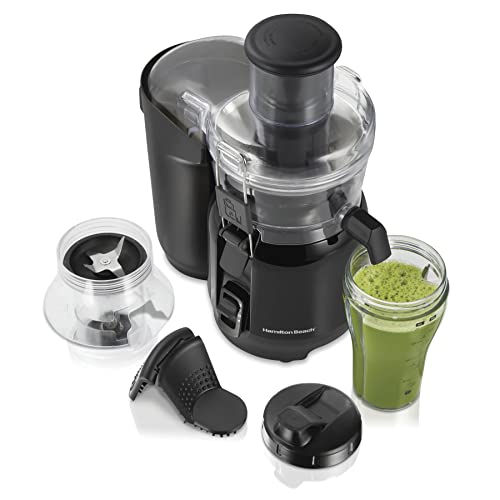
Hamilton Beach Juice & Blend 2-in-1 Juicer Machine and 20 oz. Blender
The Hamilton Beach Juice & Blend 2-in-1 machine makes it easy to blend and strain without transferring containers, saving time and cleanup.
When using black seeded grapes for your daughter, removing seeds is important because the seeds can add bitterness and may be hard to chew or swallow.
Clear or Pulpier Juice
For clearer juice, strain thoroughly and avoid pressing too hard on the pulp. For pulpier juice, skip the straining or press lightly to retain more fiber.
What You’ll Need to Make Fresh Grape Juice
Gather these ingredients and tools before you start.
2-in-1 Juicer + Blender
Hamilton Beach 2-in-1 Juicer Blender
This appliance lets you juice whole grapes and blend other ingredients without switching containers, saving time and effort in your grape juice recipe.
Variations for Health Needs and Flavor Preferences
You can adjust fresh grape juice made in a blender for lower sugar, gentler digestion, or kidney-friendly needs by adding water or lemon, reducing pulp, and choosing safe sweeteners.
Adding water dilutes natural sugars in grapes, lowering the drink’s sweetness and sugar content per serving. Squeezing in lemon juice adds brightness and vitamin C while reducing sugar concentration and improving digestion.
For sensitive stomachs, strain the juice more thoroughly to remove pulp, which contains fiber that can sometimes cause discomfort. A smoother juice is easier to digest.
If you have kidney concerns, limit grape quantity or replace part of the juice with water to reduce potassium intake. Grapes are moderately high in potassium, so controlling portion size helps keep intake safe.
Sweetener Use
If you want a sweeter juice without adding more sugar, consider a small amount of natural sweeteners like stevia or monk fruit, but avoid excess as it can affect digestion or interact with some conditions.
Common Mistakes That Ruin Fresh Grape Juice
You can make fresh grape juice in a blender by washing 2 to 3 cups of grapes, blending them with a little water, and straining the mixture to remove pulp and seeds. Using a blender as a juicer works for this because it breaks the grapes down completely, releasing juice and fiber without a special juicer appliance.
A common mistake is not washing grapes properly. Dirt, pesticides, or bacteria on the skin affect flavor and safety. Rinse grapes thoroughly under running water before blending.
Using too many grapes or too little water can strain the blender motor and result in uneven blending. For 2 to 3 cups of grapes, add about 1/4 to 1/3 cup of water to help the blades move smoothly and extract juice efficiently.
Skipping or rushing the straining process often leaves thick, pulpy juice that may feel gritty or heavy. Strain the blend through a fine mesh sieve or cheesecloth, taking your time to press gently and collect clear juice.
Pressing the pulp too hard can release bitter compounds from the skins and seeds, spoiling the fresh flavor. Avoid overpressing; a light press is enough to get most juice without bitterness.
Storage mistakes also reduce freshness. Leaving fresh grape juice at room temperature or in an unsealed container speeds spoilage and off-flavors. Store juice in a sealed container in the refrigerator as soon as possible after making it.
Blender safety
Unplug the blender before cleaning or scraping pulp from blades to avoid injury. Never put hands near moving blades.
Avoid these errors
Wash grapes thoroughly before blending
Use about 1/4 cup water per 2 cups grapes
Strain juice slowly and completely
Press pulp gently to avoid bitterness
Store juice refrigerated in a sealed container
Food Safety and Storage for Homemade Grape Juice
Washing grapes well is essential to remove dirt and bacteria that can contaminate your juice. Rinse them under cool running water and gently rub to clean the skins before blending.
Washing grapes thoroughly removes dirt and bacteria before blending.
Unpasteurized juice like fresh grape juice carries a risk of harmful bacteria, especially for pregnant people, young children, older adults, or anyone with a weakened immune system. If you fit into these groups, talk to your healthcare provider before drinking fresh juice.
Refrigerate fresh grape juice promptly. It typically lasts about 2 to 3 days in the fridge when kept in a tightly sealed container. Beyond this time, it may ferment or spoil.
Freezing fresh grape juice extends its shelf life. Use airtight freezer-safe containers and leave room for expansion. Thaw frozen juice in the refrigerator rather than at room temperature to keep it safe and fresh.
Be careful handling blender blades and hot liquids. Always unplug the blender before cleaning blades or removing the container. Avoid blending hot liquids as steam pressure can cause splashes and burns.
When to avoid fresh juice
If you’re pregnant, immunocompromised, or serving young children, avoid unpasteurized juices unless your doctor says it’s safe.
Safe juice handling
Wash grapes before blending
Refrigerate juice within 2 hours
Use sealed containers for storage
Freeze for longer storage, thaw in fridge
Unplug blender before cleaning blades
Frequently Asked Questions
Can I use seeded grapes to make juice in a blender?
Yes, you can use seeded grapes, but you’ll need to strain the juice well to remove seeds and any bitter bits they may add. The seeds can affect the flavor and texture, so a fine mesh strainer or cheesecloth works best to get a smooth juice.
Do I need to add water when blending grapes for juice?
Adding a small amount of water helps the blender process the grapes smoothly and prevents the motor from struggling. About 1/4 to 1/3 cup of water for 2 to 3 cups of grapes is usually enough to achieve a smooth blend without diluting the flavor too much.
How long does fresh grape juice last in the fridge?
Fresh grape juice keeps well in the refrigerator for up to 3 days when stored in a clean, airtight container. After that, it can start to ferment or spoil, so it’s best to drink it as soon as possible for the freshest taste and safety.
Is it safe to drink unpasteurized grape juice during pregnancy?
Unpasteurized juice can carry bacteria that might be risky during pregnancy, so it’s best to avoid it. If you want fresh juice, heat it briefly to pasteurize or opt for commercially pasteurized grape juice to reduce any infection risk.
Can I sweeten fresh grape juice with honey or maple syrup?
You can add honey or maple syrup to sweeten fresh grape juice, but do so sparingly to keep added sugars low. Start with a teaspoon, taste, and adjust—this helps maintain a balanced flavor without overwhelming the natural sweetness of the grapes.
What type of strainer is best for clear grape juice?
A fine mesh strainer or a double layer of cheesecloth works best to remove pulp and seeds for clear juice. This lets you catch small solids while allowing the juice to pass through smoothly, giving you a cleaner, more refreshing drink.
How do I prevent my blender from struggling when making grape juice?
To avoid overworking your blender, add a small amount of water and blend in short pulses. Make sure the grapes are fresh and not frozen solid, and stop to scrape down the sides if needed to keep everything moving evenly.