How to Remove Grape Juice Stains From White Clothes Fast
8 min read
The verdict
Remove grape juice stains from white clothes fast by blotting, rinsing with cold water, applying a targeted stain remover, and washing promptly. This method takes about 10 minutes and saves your garment from permanent discoloration.
A grape juice spill on white fabric can feel like a disaster, but quick action and the right steps can save your clothes. The key is to avoid heat and harsh rubbing, which set the stain permanently.
This guide shows you how to tackle fresh and set-in grape juice stains safely and effectively, with simple materials you likely have at home.
How to Remove Grape Juice Stains From White Clothes Fast
You can remove grape juice stains from white clothes quickly by blotting the stain with cold water, applying a targeted stain remover, and washing the garment promptly. This method is your best home remedy for white pants stained with grape juice and prevents the stain from setting.
Fresh grape juice resembling the stain discussed in the removal method.
1
Blot the stain gently
Use a clean white cloth or paper towel to blot the grape juice stain. Avoid rubbing, which can spread the stain and push it deeper into the fabric fibers.
2
Rinse with cold water
Hold the stained area under cold running water from the back of the fabric to flush out as much juice as possible. Never use hot water, as heat sets the stain permanently.
3
Apply a targeted stain remover
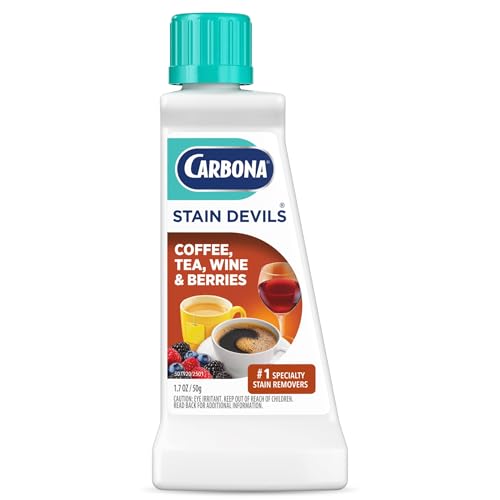
Use a product designed for juice and wine stains, such as Carbona Stain Devils #8, directly on the stain. Follow package directions and test on a hidden area first.
4
Wash promptly
Wash the garment in the warmest water safe for the fabric according to its care label. Do not put the clothes in the dryer until the stain is fully gone, as dryer heat will set any remaining stain.
Best for fast juice stain removal
Carbona Stain Devils #8 (1.7 Fl Oz)
Carbona Stain Devils #8 targets grape juice stains effectively and is safe on most washable fabrics, helping you tackle the stain right after it happens.
Do not use hot water or dryer heat on fresh grape juice stains before removal; heat will set the stain and make it nearly impossible to remove.
Quick action helps
Treat the stain as soon as possible, ideally within 10 minutes, for the best chance of complete removal.
Before you start
Check the fabric care label for washing instructions
Have cold water ready for rinsing
Use a targeted stain remover formulated for juice or wine stains
Avoid rubbing the stain
Plan to wash the garment immediately after treating
What You’ll Need to Remove Grape Juice Stains
Basic supplies for effective stain removal
Targets juice stains
Carbona Stain Devils #8 Targeted Spot Cleaner
This professional-strength formula is designed specifically for coffee, tea, juice, and wine stains, making it effective on fresh grape juice spills. It works safely on washable fabrics and helps push the stain out quickly with simple application steps.
This spray offers a fast, easy spray-and-blot method for tackling grape juice stains, ideal for on-the-go stain emergencies. Its EPA Safer Choice certification means it cleans effectively while being environmentally responsible.
If the grape juice stain has already dried or set, you’ll need a different approach involving soaking and gentle bleaching. Oxygen bleach is the safest option to use on white clothes to lift set-in stains.
Soaking white clothes to treat older or set-in grape juice stains safely.
1
Check fabric care labels
Ensure the garment’s label allows for oxygen bleach treatments. Avoid chlorine bleach on delicate fabrics like silk or wool to prevent damage.
2
Soak in oxygen bleach solution
Prepare a soak with oxygen bleach following the package instructions and submerge the stained area for 1 to 8 hours. Longer soaks may be needed for deeply set stains.
3
Rinse and launder
After soaking, rinse thoroughly with cold water and then wash the garment as usual according to the care label.
4
Use sunlight to fade residual stains
If any faint stain remains, lay the white cotton garment outside in direct sunlight. Sunlight naturally bleaches and helps to fade leftover discoloration safely.
Why avoid chlorine bleach
Chlorine bleach can weaken or discolor delicate fabrics and cause yellowing on some whites, so oxygen bleach is preferred for stain removal on sensitive or mixed materials.
Patience pays off
Older stains may take multiple oxygen bleach soaks or sunlight exposure sessions to disappear completely, so repeat treatments are often necessary.
Common Mistakes That Ruin Grape Juice Stain Removal
You should not use hot water or heat sources like hairdryers on grape juice stains. Heat sets the pigment into the fabric fibers, making the stain much harder to remove or permanent.
Rubbing the stain is another common mistake. It may feel like scrubbing will help, but it only grinds the juice deeper into the cloth, spreading the stain and embedding the pigment.
Myth
Vinegar or lemon juice will remove grape juice stains effectively
Fact
Acidic home remedies like vinegar or lemon juice can actually make the stain worse by reacting with the pigment and fixing it more firmly into the fabric.
Salt and milk are unreliable and potentially damaging. Salt can cause discoloration or fabric weakening, while milk’s proteins might leave residues that attract dirt later.
Some ask if tonic water will remove stains. It won’t help; tonic water contains quinine and sugars that do not lift pigment and might even stick to the fabric.
For women wondering about home remedies for white pants, the best approach is cold water rinsing and a targeted stain remover rather than household acids or old wives’ tales.
Mistake
Why to Avoid
Using hot water or heat
Sets the stain permanently
Rubbing the stain
Spreads and deepens the stain
Applying vinegar or lemon juice
Fixes stain pigment
Using salt or milk
Can damage fabric or leave residue
Tonic water as a remover
Ineffective and sticky residue
Common errors and their impact on grape juice stain removal
Variations for Health and Fabric Sensitivities
If you have sensitive skin, choose stain removers labeled dermatologically tested for skin safety. They reduce the chance of irritation or allergic reactions during application.
Oxygen bleach is a gentler alternative to chlorine bleach for delicate fabrics. It works by releasing oxygen molecules that break down stains without harsh chemicals that can weaken fibers.
Avoid harsh chemicals if you have known skin allergies or sensitivities. Look for formulas without strong fragrances, dyes, or ammonia to protect your skin.
Kidney-friendly advice: rinse stained clothes thoroughly after treatment to avoid ingesting any residue from the stain remover, especially if you wear clothing near your mouth or handle food often.
Many wonder if fruit juice stains wash out of whites. With prompt treatment using appropriate stain removers and cold water rinses, you can remove grape juice stains effectively from white pants and other fabrics.
Safe and effective treatment
Carbona Stain Devils #8 (1.7 Fl Oz)
Carbona Stain Devils #8 is dermatologically tested and effective on juice stains, making it a good choice for sensitive skin and washable fabrics.
Checklist Before Your Next Laundry or Stain Emergency
Keep a targeted stain remover ready to tackle grape juice stains on white pants or any fabric immediately. Acting fast prevents the stain from setting and makes removal easier.
Use clean white cloths for blotting the stain. Colored or dirty cloths can transfer dyes or spread the stain, making the problem worse.
Always test any stain remover on a hidden part of your garment first. This step avoids unexpected discoloration or fabric damage when treating visible stains.
Avoid putting stained clothes in the dryer before the stain is fully removed. Heat sets grape juice stains permanently, so air-dry or wash first.
Can tonic water remove grape juice stains? While tonic water contains quinine and carbonation, it is not effective for stain removal and may leave residue. Stick with proven stain removers instead.
Ready For Stain Emergencies
Have a stain remover formulated for fruit juice stains on hand
Use only white cloths to blot fresh stains
Test stain removers on a hidden seam or hem area
Do not dry stained clothes until stains are completely gone
Know that tonic water is not a reliable stain remover
More Questions, Answered
Can I use bleach on grape juice stains?
Bleach can be used cautiously on white clothes to remove grape juice stains, but only if the fabric care label permits it. Avoid bleach on delicate fabrics or colored clothes as it can cause damage or discoloration. Always test on a hidden area first and dilute bleach as directed.
How long can a grape juice stain sit before it is permanent?
Grape juice stains become much harder to remove once they dry and set, typically within a few hours. The sooner you treat the stain—ideally within the first 10 to 15 minutes—the better your chances of complete removal. After 24 hours, the stain may become permanent without professional treatment.
Does grape juice stain count as a tannin stain?
Yes, grape juice stains are considered tannin stains because they contain natural plant compounds that bind to fabric fibers. This makes them more challenging to remove than simple water-based stains and requires targeted stain removers formulated for tannins.
Is it safe to use Carbona Stain Devils on colored clothes?
Carbona Stain Devils come in different formulas, some safe for colored fabrics and others designed for whites only. Check the product label carefully to ensure it is suitable for colored clothes before use to avoid fading or color loss.
What if the stain is already dried?
For dried grape juice stains, soak the garment in cold water with a stain remover or laundry detergent for at least 30 minutes before washing. Avoid hot water or heat, which can set the stain further. If soaking doesn’t fully remove the stain, a gentle bleaching agent may be needed on white fabrics.