A milkshake mixer should be cleaned after each use to prevent bacteria growth and ensure optimal performance and flavor quality in your beverages.
Keeping your milkshake mixer clean is crucial for food safety, performance, and drink quality. Whether you’re running a commercial operation or making shakes at home, proper cleaning prevents bacterial growth and maintains equipment longevity.
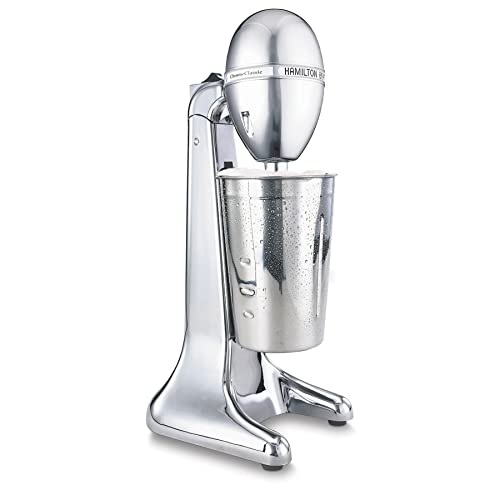
Hamilton Beach
Hamilton Beach DrinkMaster Retro Milkshake Maker &…
- MAKE CLASSIC COLD TREATS, COFFEE DRINKS AND MORE. You can mix a wide variety of delicious creations with this talented drink mixer…
- INCLUDES EXTRA-LARGE 28 OZ. STAINLESS STEEL CUP. The big mixing cup gives you plenty of room, its 28 oz. capacity lets you mix a l…
- EASY TO ACCESS AND CLEAN. The tilt-back head allows easy access when you need to add ingredients or take the cup on and off. After…
Recommended Cleaning Frequency
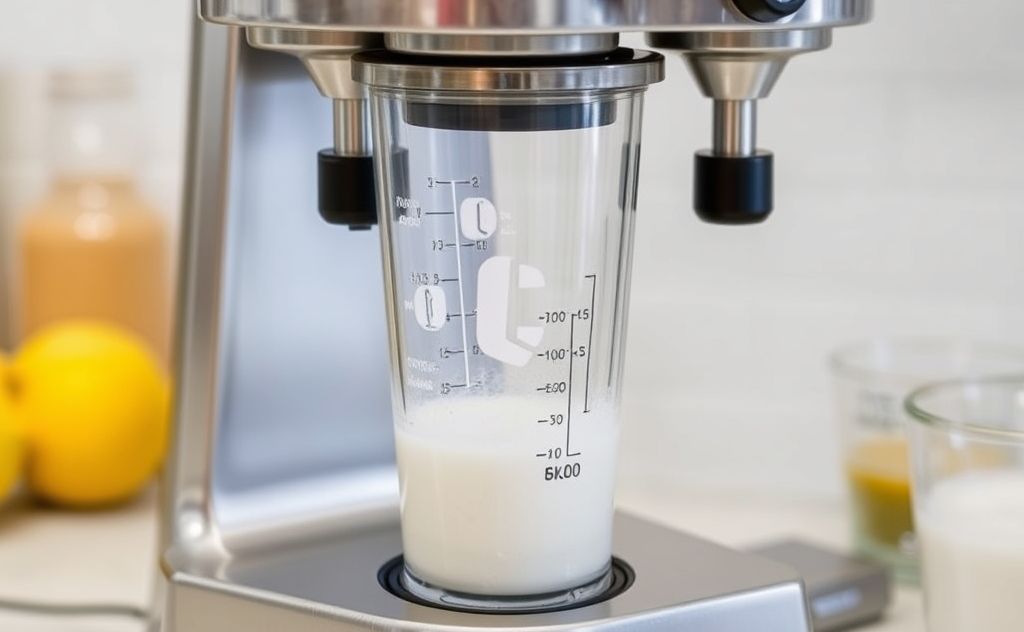
Milkshake mixers should be cleaned after every use. Dairy products like ice cream and milk create an ideal environment for bacteria if left uncleaned. The FDA Food Code requires food contact surfaces to be cleaned every 4 hours during continuous use.
Commercial Operations
- Clean mixing spindles after each drink
- Sanitize mixing cups every 2-4 hours
- Perform deep cleaning at closing
Home Use
- Clean immediately after each use
- Disassemble removable parts weekly
- Sanitize monthly
Step-by-Step Cleaning Process
Daily Cleaning
- Unplug the mixer
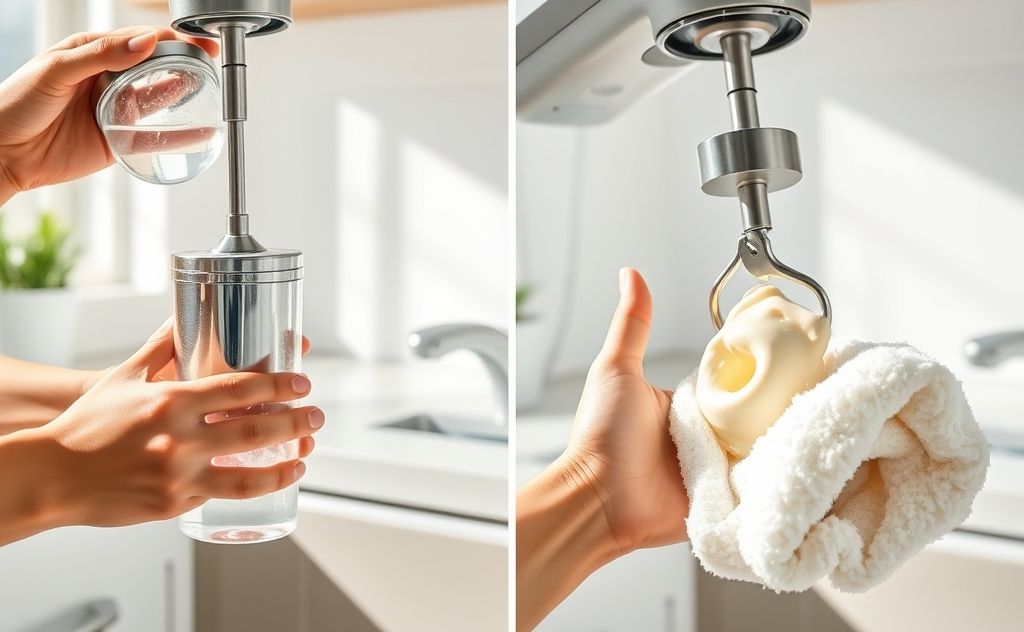
- Wipe spindles with warm soapy water
- Clean cups with food-safe detergent
- Rinse all parts thoroughly
- Sanitize with approved solution
- Air dry completely
Weekly Deep Cleaning
For commercial mixers like the Hamilton Beach commercial models:
- Disassemble all removable parts
- Soak in warm soapy water for 15 minutes
- Scrub with soft brush
- Rinse with clean water
- Sanitize with 200ppm chlorine solution
- Dry completely before reassembly
Special Considerations
Mixers with Hard-to-Clean Parts
Some models like the ADM2 Double Spindle Mixer require extra attention to crevices where residue can accumulate.
Preventing Cross-Contamination
- Use separate cleaning tools for mixer
- Never use the same rag for multiple surfaces
- Store clean parts covered
Common Cleaning Mistakes
| Mistake | Solution |
|---|---|
| Not drying parts completely | Air dry upside down on clean rack |
| Using abrasive cleaners | Stick to mild detergents |
| Skipping sanitizing step | Always use food-grade sanitizer |
Maintenance Tips for Longevity
According to Stoelting Foodservice, proper maintenance includes:
- Monthly motor inspections
- Quarterly replacement of wear parts
- Annual professional servicing
Signs Your Mixer Needs Attention
- Unusual noises during operation
- Difficulty achieving proper consistency
- Visible residue after cleaning
- Persistent odors
Related pick: Check today's price on Amazon


