Apple juice is often seen as a natural, healthy drink, but its sugar content can surprise many. Understanding exactly how much sugar is in apple juice helps you make informed choices, especially if you have health concerns like diabetes or are limiting added sugars.
This article breaks down the sugar content in different types of apple juice, explains why it matters, and guides you to options that fit your lifestyle and health goals.
Sugar Content in Apple Juice
An 8-ounce (about 240 ml) glass of regular apple juice contains approximately 24 grams of sugar, which equals around 6 teaspoons. Per 100 ml, that’s roughly 10 grams of sugar, a level similar to many sodas.

This sugar naturally comes from the fruit itself, not from added sweeteners in most plain apple juice products. Because of this, many labels say “no added sugar.” The calories in apple juice come mostly from this natural sugar, adding up to about 110 calories per 8-ounce serving.
Even though the sugar is natural, your body processes it the same way as added sugars. It raises your blood sugar and insulin levels, which matters if you’re managing diabetes or watching your overall sugar intake. The sugar in apple juice is mostly fructose and glucose, both quickly absorbed.
Drinking apple juice delivers sugar without the fiber found in whole apples, so it can cause a faster blood sugar spike. This is why portion size matters; limiting juice to about 4 to 8 ounces a day helps control sugar intake while still enjoying the flavor.
| Serving Size | Sugar (grams) | Sugar (teaspoons) | Calories |
|---|---|---|---|
| 8 oz (240 ml) | 24 | 6 | 110 |
| 100 ml | 10 | 2.5 | 46 |
Check the Label for Added Sugar and Juice Types
Most regular apple juices do not have added sugar, but some products labeled “apple juice cocktail” or “juice drink” include added sweeteners like cane sugar or high-fructose corn syrup (HFCS). Check the ingredients list for terms like “sugar,” “cane sugar,” or “corn syrup” to be sure.
You might notice differences in sugar content between brands because of juice types. Clear apple juice is filtered and may taste sweeter, while cloudy or fresh-pressed juices keep more pulp and can have slightly different sugar levels. Juice made from concentrate often has added sugars during processing, raising total sugar content.
Blends or mixed fruit juices can increase sugar too, especially if they include added fruit concentrates. The “cocktail” label usually signals higher sugar than pure apple juice. Reading the nutrition facts and ingredients is the best way to avoid surprises.

Who Should Limit Apple Juice Sugar Intake and Recommended Amounts
Apple juice contains about 24 grams of sugar per 8-ounce glass, which adds roughly 110 calories. This sugar amount can impact blood sugar levels and overall calorie intake, so certain groups should watch their consumption closely.
People with diabetes need to limit apple juice sugar because it raises blood glucose quickly. The American Diabetes Association recommends keeping added sugars to less than 10% of daily calories, roughly 25 grams of added sugar for women and 36 grams for men. Apple juice’s natural sugars count toward this total, so portion control matters.
Kidney disease patients often need to restrict sugar and potassium intake. Apple juice has moderate potassium, so drinking more than 4 to 6 ounces at a time may strain kidney function depending on disease stage. Heart rhythm concerns like arrhythmias can worsen if blood sugar spikes or electrolyte balance shifts, so limiting sugary drinks is wise.
Pregnant people should keep added sugar under about 25 grams daily to reduce gestational diabetes risk. Apple juice’s 24 grams per glass is close to that limit, so smaller servings or alternatives help keep intake balanced.
For young children, pediatric guidelines advise no more than 4 to 6 ounces of 100% fruit juice per day to avoid excess sugar and calories that contribute to obesity and dental issues.
Reducing apple juice portions or diluting with water are simple ways to lower sugar intake. Choosing alternatives like infused water, herbal teas, or zero-sugar apple-flavored drinks also helps.
How to Choose or Make Lower-Sugar Apple Juice Options
Apple juice typically contains about 10 grams of sugar per 100 ml, which adds up to roughly 24 grams in an 8-ounce glass. To lower sugar intake while enjoying apple flavor, you can try several strategies.

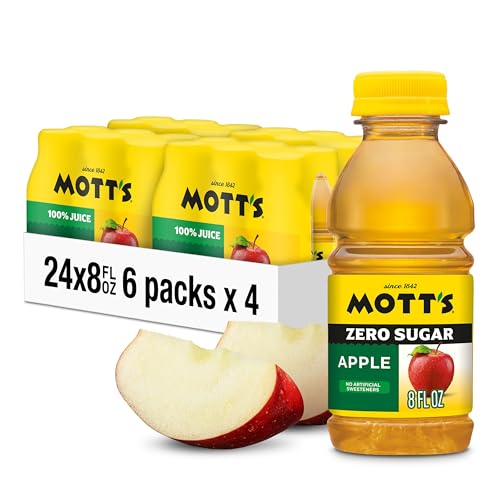
One option is zero-sugar apple-flavored drinks sweetened with stevia, such as Mott’s Zero Sugar Apple Juice Drink. These have zero sugar and calories but still provide the familiar apple taste, making them suitable for those limiting sugar.
Diluting regular apple juice with water or sparkling water cuts the sugar concentration per serving while keeping some flavor. For example, mixing half a glass of juice with half water halves the sugar in that drink.
Look for juices labeled “reduced sugar” or “no sugar added.” These products often contain 20-30% less sugar than regular apple juice, though exact amounts vary by brand. Checking the nutrition label is key to confirming sugar content.
Your taste buds will adjust to less sweet drinks over time, making diluted or reduced-sugar juices more enjoyable with repeated exposure.
Compare Apple Juice Sugar to Other Common Drinks
Apple juice and orange juice both contain similar amounts of sugar, around 24 grams (6 teaspoons) per 8-ounce glass. This puts them close to many sodas, which range from 20 to 26 grams of sugar per 12-ounce can, making apple juice just as sweet despite its natural origin.
| Drink | Sugar (grams) | Sugar (teaspoons) |
|---|---|---|
| Apple juice (8 oz) | 24 | 6 |
| Orange juice (8 oz) | 22 | 5.5 |
| Cola soda (12 oz) | 26 | 6.5 |
| Lemonade (12 oz) | 28 | 7 |
Despite its sugar content, apple juice offers vitamin C and antioxidants that sodas lack. These nutrients support immune function and provide some health benefits, although they don’t offset the sugar’s effects. Orange juice provides similar benefits but with a slightly lower sugar load.
If managing sugar intake is your priority, water or unsweetened tea are safer choices than fruit juices or sodas. For a fruit-flavored drink with less sugar, consider diluted juice or lower-sugar options shown in apple juice sugar content.
Explore how sugar varies across fruit juices like cranberry or prune for more tailored choices. Articles on cranberry juice sugar content and prune juice offer helpful details if you want to compare beyond apples and oranges.


