How Much Lime Juice Per Day? Safe Intake & Health Benefits
On this page 6 sections
- Boost Drink Health Benefits: How Much Lime Juice Daily
- Who Should Avoid or Limit Lime Juice Intake More
- When and How to Drink Lime Juice for Best Safety and Effectiveness
- Signs You Are Drinking Too Much Lime Juice and What to Do
- Safer Alternatives and Related Citrus Drinks to Consider
- Frequently Asked Questions
Lime juice is a popular addition to water, cooking, and dressings because of its bright flavor and vitamin C content. Understanding how much lime juice you can safely consume daily helps you enjoy its benefits without risking acid-related side effects or dental damage.
This article explains the recommended dose, timing, who should limit intake, and what signs mean you need to cut back or seek advice.
Boost Drink Health Benefits: How Much Lime Juice Daily
Up to about 3 ounces (6 tablespoons) of lime juice daily is safe for most healthy adults. That amount gives you vitamin C and citric acid benefits without usually triggering acid reflux or wearing down tooth enamel.

Three ounces of fresh lime juice supplies roughly 30 to 40 mg of vitamin C. That covers about one-third to half of the daily recommended intake for most adults, supporting immune function and skin health during cold and flu season.
Lime juice is quite acidic, with a pH around 2.0. Its citric acid can raise urine citrate levels, which is linked with a lower risk of some kidney stones. But the same acidity may irritate a sensitive stomach or erode tooth enamel over time.
Keeping your daily intake to about 3 ounces balances the benefits against the risks. Drinking more than that may aggravate acid reflux by increasing stomach acidity. Frequent sipping or holding lime juice in your mouth can also speed up enamel erosion.
Lime juice acts as a mild natural diuretic because of its potassium content, which may increase urine output. Staying within the 3-ounce limit helps prevent excessive fluid loss or an electrolyte imbalance.
| Nutrient | Amount per 3 oz (6 Tbsp) |
|---|---|
| Vitamin C | 30–40 mg |
| Citric Acid | Approximately 1.5 g |
| Acidity (pH) | Around 2.0 |
Who Should Avoid or Limit Lime Juice Intake More
Not everyone can safely enjoy 3 ounces of lime juice daily. People with acid reflux or GERD should limit or avoid lime juice because its acidity can worsen heartburn and stomach irritation.
If you have kidney disease or a potassium-restricted diet, consult your healthcare provider before adding lime juice. Its potassium content, while mild, might be problematic in advanced kidney conditions.
Lime juice can also worsen sensitive teeth or existing enamel erosion. The acid wears down enamel, so those with dental sensitivity should reduce intake and avoid sipping lime juice over long periods.
Some blood pressure medications may interact with high potassium intake. While lime juice potassium is low, drinking large amounts or combining with supplements could affect medication levels. Always check with your pharmacist.
Children should consume lime juice diluted and in smaller amounts, about 1 tablespoon per day maximum. Their smaller stomachs and sensitive teeth make them more vulnerable to acidity.
When and How to Drink Lime Juice for Best Safety and Effectiveness
You should drink lime juice at times and in ways that reduce acid irritation and protect your teeth. Taking lime juice after meals is best if your stomach is sensitive, since food buffers the acid and lowers the chance of heartburn.
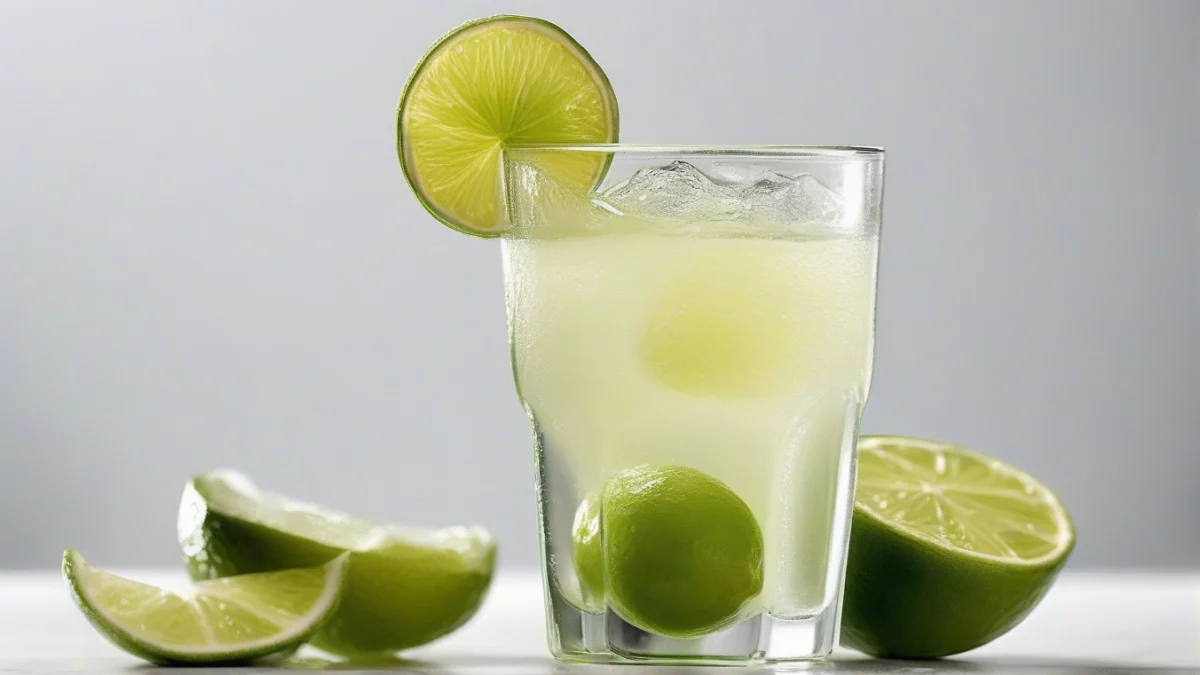
Diluting lime juice with water raises its pH, making it less acidic and less likely to damage tooth enamel or irritate your stomach lining. Mixing about 1 part lime juice to 3 parts water is a good starting point.
Lime juice can cause heartburn in some people, especially if taken on an empty stomach or close to bedtime. Limit intake in the evening if you notice reflux symptoms at night.
Avoid brushing your teeth immediately after drinking lime juice. The acid softens enamel, and brushing too soon can wear it away. Wait at least 30 minutes or rinse your mouth with plain water to protect your teeth.
The acidic effects of lime juice usually last about 30 to 60 minutes after drinking. To avoid interfering with medicines that are sensitive to acidic pH, space lime juice intake at least 1 hour before or after taking your medications.
 Home Juicing Starter KitMake fresh juice that tastes good, costs less and keeps safely: 40 recipes with exact amounts, a yield chart and a 4-week plan.40 juice, smoothie and shot recipesYield, storage and food-safety chartsCost, yield and shopping-list calculator (Excel)
Signs You Are Drinking Too Much Lime Juice and What to Do
Drinking too much lime juice can cause side effects like chest or throat burning, tooth sensitivity, and stomach upset due to acid overload. These symptoms signal that your intake exceeds what your body comfortably handles.
Frequent urination and dehydration risk may occur if you consume high amounts of lime juice because of its potassium content and natural diuretic effect. Watch for excessive thirst or dizziness.
To safely reduce side effects, cut your lime juice intake gradually over several days. Replace some of the lime juice with water or a less acidic beverage to keep hydration balanced.
If symptoms persist after reducing intake, or if you experience severe chest pain, difficulty swallowing, or dehydration signs like fainting, contact your doctor promptly.
Safer Alternatives and Related Citrus Drinks to Consider
If lime juice triggers reflux or stomach pain, switch to a lower-acid drink that still delivers vitamin C. Diluted cranberry juice, orange juice, or even water with a splash of lime are gentler options. Each has a different acid load and vitamin C level, so the right choice depends on your symptoms.
Lemon juice is not a safer swap. It has nearly the same acidity and vitamin C as lime juice, so it can irritate your esophagus and stomach just as much. If you tolerate lime fine, lemon works as a flavor change, but don’t expect it to solve acid problems.
For a lower-acid option that still provides vitamin C, choose diluted cranberry juice. It offers antioxidants and vitamin C with less citric acid to irritate the esophagus or stomach lining. Start with 4 oz of 100% cranberry juice mixed with 4 oz of water, and see how you feel.
Orange juice is less acidic than lime or lemon juice, but it’s still acidic enough to bother some people with reflux. A 4 oz glass has more vitamin C than a tablespoon of lime juice, making it a good choice if your stomach handles it. If not, dilute it with equal parts water.
The gentlest option is plain water with a splash of lime juice. Add 1 teaspoon of lime juice to 8 oz of water. You get a hint of flavor and a small amount of vitamin C, with very little acid to irritate your teeth or stomach.
| Drink | Acidity Level | Vitamin C Content | Best For |
|---|---|---|---|
| Lime Juice | High | About 30 mg per tablespoon | Most vitamin C, but can worsen reflux |
| Lemon Juice | High | Similar to lime juice | Similar benefits and acid effects |
| Diluted Cranberry Juice | Lower | Moderate, varies by dilution | Less acid, good for reflux |
| Orange Juice | Moderate | Higher than lime juice per 4 oz | Vitamin C with less acid |
| Water with Splash of Juice | Very Low | Small, depending on amount | Low acid for sensitive stomachs |
If you want to explore more juice options and safe daily amounts, see How Much Juice Is Safe to Drink Daily? for guidance tailored to different health conditions and preferences.