How Much Lime Juice Is Too Much? Safe Daily Limits
On this page 7 sections
The most common mistake is treating lime juice like water with a squeeze of flavor. It is a concentrated acid, and the cost of overdoing it shows up as heartburn, sensitive teeth, or a kidney stone flare.
One medium lime yields about 2 tablespoons of juice. Once you know that, the daily limit becomes simple to measure.
How Much Lime Juice Is Too Much? Safe Daily Limits
Most healthy adults can safely drink 2 to 4 tablespoons (30–60 ml) of lime juice a day, which is the juice of 1 to 2 medium limes. Drinking more than half a cup (4 oz) of straight lime juice can irritate your stomach and erode tooth enamel because of its high citric acid content.
One medium lime yields about 2 tablespoons (30 ml) of juice. So the upper safe range equals roughly two limes’ worth of juice. You can spread that across the day, but each serving should be diluted in water.
The main risk is citric acid, not vitamin C. You’d need over 20 limes to approach the 2,000 mg vitamin C upper limit, but the acid in just a few limes can cause trouble. Diluting lime juice in water reduces acid contact with your teeth and stomach lining.
| Group | Safe daily limit |
|---|---|
| Healthy adults | 2–4 tablespoons (30–60 ml), diluted |
| GERD, heartburn, sensitive stomach | Up to 1 tablespoon (15 ml), diluted |
| Children under 12 | 1–2 tablespoons (15–30 ml), depending on age |
If you have GERD or frequent heartburn, stay closer to 1 tablespoon per day and watch for symptoms. For most people, 2 to 4 tablespoons diluted in water is a safe, pleasant amount.
What Happens When You Drink Too Much
Too much lime juice usually shows up as heartburn, stomach pain, nausea, or loose stools. The citric acid relaxes the lower esophageal sphincter, letting stomach contents back up, and it can irritate the stomach lining directly.
Tooth sensitivity happens because acid softens enamel. Using a straw and rinsing with plain water afterward helps. Mouth sores can flare from the acidity, especially if you already get canker sores.
A sore throat may sting with straight lime juice. Diluted warm lime water is gentler, but if your throat is already raw, skip the lime until it heals.
Most symptoms pass within a few hours once you stop drinking lime juice. Persistent heartburn or stomach pain after small amounts means you should talk with your doctor.
Who Should Limit Lime Juice Further
Some people should stay below 2 tablespoons a day, and a few should skip straight lime juice entirely. The main reasons are a sensitive esophagus, kidneys that are already struggling, or medicines that citrus can affect.
Kidney Stones: A Mixed Picture
Lime juice contains citrate, which binds to calcium in urine and may help prevent calcium oxalate stones. For most stone formers, 1 to 2 tablespoons a day diluted in water is a reasonable target. lime juice benefits for kidney stones
Chronic Kidney Disease and Dialysis
Lime juice is low in potassium, about 20 mg per tablespoon, so it is usually fine on a kidney diet. The real limit is fluid. If you are on a fluid restriction, count the water you mix it into. A squeeze of lime in plain water does not add meaningful potassium or phosphorus.
Blood Pressure Medications
Lime juice can slightly lower blood pressure. If you take medication for hypertension, drinking several tablespoons a day could add to that effect. Watch for dizziness or lightheadedness when standing, and space lime juice at least 2 hours from your dose. Never change your medication without asking your prescriber.
GERD, Reflux, and a Sore Throat
Citric acid can irritate an inflamed esophagus. If you have GERD or frequent reflux, keep lime juice to 1 tablespoon a day, dilute it well, and drink it with food rather than on an empty stomach. A sore throat is similar: undiluted lime juice stings. Warm water with a small amount of lime and honey is gentler.
Pregnancy
Lime juice in normal food amounts is safe during pregnancy. Stick to pasteurized bottled juice or freshly squeezed limes you wash first. Avoid unpasteurized juice, which can carry harmful bacteria.
 Home Juicing Starter KitMake fresh juice that tastes good, costs less and keeps safely: 40 recipes with exact amounts, a yield chart and a 4-week plan.40 juice, smoothie and shot recipesYield, storage and food-safety chartsCost, yield and shopping-list calculator (Excel)
Timing Lime Juice Around Meals and Medicines
Have lime juice with or just after a meal, not on an empty stomach. Food buffers the acid and gives the citric acid something to work on besides your stomach lining.
Morning Lime Water
A glass of warm lime water first thing is fine for most people. The key is what you do after: wait at least 30 minutes before brushing your teeth. Acid softens enamel, and brushing too soon can wear it away.
Medication Spacing
If you take iron for anemia, lime juice can actually help absorption because vitamin C improves iron uptake. But the acid can also upset your stomach. Ask your pharmacist whether to take them together or apart.
Blood Sugar and Diabetes
Lime juice may slightly lower the blood sugar rise after a meal. If you take diabetes medication, check your glucose more often when you add lime juice regularly, and watch for signs of hypoglycemia like shakiness or sweating.
Kidney Stone Prevention
Spread your lime juice through the day rather than drinking it all at once. Two tablespoons split between a morning glass and an afternoon glass keeps citrate levels steadier in your urine.
Fresh, Bottled, or Concentrate: What Counts as a Serving
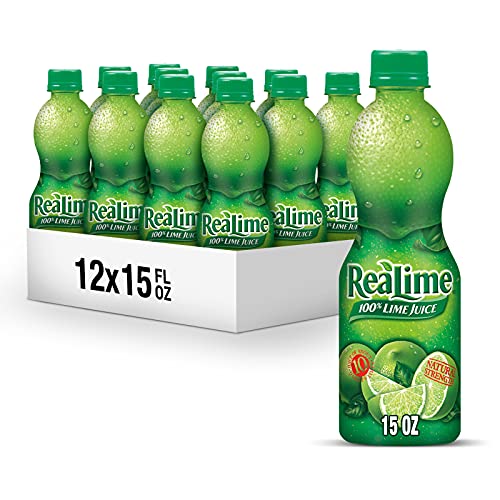
One medium lime yields about 2 tablespoons (30 ml) of juice. That’s the reference serving for the daily limit of 2 to 4 tablespoons. Bottled lime juice matches fresh measure for measure: 2 tablespoons of ReaLime or Nellie & Joe’s equals the juice of one lime. Concentrate is different—it’s concentrated, so it’s more acidic per tablespoon and must be diluted before you drink it.
| Form | Serving equal to 1 lime | Sugar per tbsp | Storage |
|---|---|---|---|
| Fresh juice | 2 tbsp (30 ml) | About 1 g | 2–3 days refrigerated |
| Bottled 100% juice | 2 tbsp (30 ml) | About 1 g | Months unopened; refrigerate after opening |
| Concentrate | Dilute per label, often 1:1 with water | Varies—check for added sugar | Months unopened; refrigerate after opening |
Fresh lime juice has no added sugar and the most vitamin C, but it spoils within a few days. Bottled 100% lime juice is just as acidic and lasts for months unopened. Check the label: some bottles add sugar or preservatives, which changes the math. Both ReaLime and Nellie & Joe’s are 100% lime juice with no added sugar.
Sugar adds up if you’re not careful. One tablespoon of fresh lime juice has about 1 gram of natural sugar, so 4 tablespoons is roughly 4 grams. Bottled juice with added sugar can double that. Check the nutrition label before you pour, especially if you’re watching blood sugar.
What to Do Next
Start with 2 tablespoons (30 ml) of lime juice a day, diluted in a glass of water. That’s the juice of one lime, and it’s enough to get the benefits without the acid overload. If you have reflux, kidney stones, or take medications, begin with 1 tablespoon and see how you feel.
Lime juice can be good for you in small amounts—it adds vitamin C and makes water more drinkable. The key is keeping the daily total under control and not letting the acid sit on your teeth or an empty stomach. If symptoms appear, reduce the amount before you give up on it entirely.