How Much Caffeine Is in Brisk Iced Tea? (Official Numbers)
On this page 8 sections
- Quick Answer: How Much Caffeine Is in Brisk Iced Tea?
- Brisk Iced Tea Caffeine by Flavor (Official Data)
- How Brisk Compares to Coffee, Green Tea, and Soda
- Why the Caffeine Number Confuses People (11mg vs. 15mg)
- Ingredients: It’s Not Just Tea—It’s Tea Powder
- Sugar vs. Caffeine: The Real Energy Story
- Who Should Skip Brisk? (Pregnancy, Sensitivity, Sleep)
- Final Verdict: Is Brisk a “High-Caffeine” Drink?
You grab a cold Brisk from the gas station cooler on a hot afternoon, expecting a little pick-me-up with your lemon flavor. Then you wonder if the jolt will keep you up at 11 PM. It’s a fair question, and the answer is more nuanced than a simple yes or no.
This guide breaks down the exact caffeine content for every Brisk flavor, compares it to coffee and green tea, and explains why you might see different numbers online. You’ll walk away knowing exactly what you’re drinking, and whether it fits your caffeine tolerance.
If you love the taste of iced tea but want to cut the stimulant almost entirely, decaf tea options like Luzianne Decaffeinated Iced Tea Bags give you that brewed flavor without the buzz. It’s a simple swap for evenings or caffeine-sensitive days.
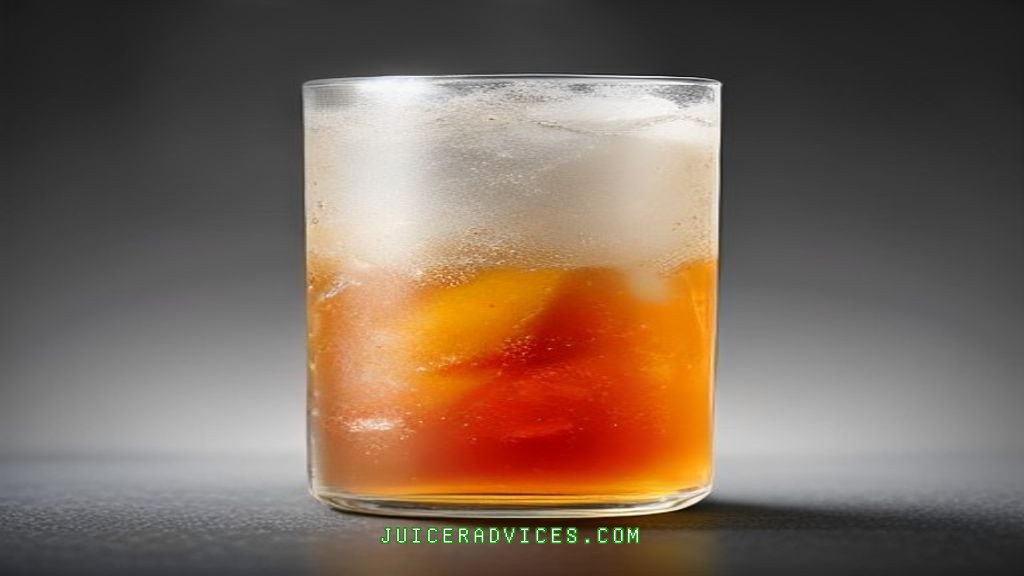
Quick Answer: How Much Caffeine Is in Brisk Iced Tea?
A standard 12 oz can of Brisk Lemon Iced Tea contains 11 mg of caffeine. That’s the official number from PepsiCo’s product page, and it’s remarkably low.
For context, that’s less than a third of the caffeine in a typical cup of black tea and about one-eighth of a standard cup of coffee. You’d need to drink four full cans of Brisk to match the caffeine in a single 8 oz cup of brewed coffee.
The catch? Brisk packs 40 grams of sugar into that same 12 oz can. So the energy you feel after drinking one isn’t from caffeine. It’s a sugar spike.
Brisk Iced Tea Caffeine by Flavor (Official Data)
PepsiCo doesn’t publish a single caffeine number for all Brisk products. The amounts vary slightly by flavor and format. Here’s the breakdown for the most common 12 oz cans, based on official nutritional data:
| Flavor | Caffeine (12 oz can) | Caffeine per 8 oz serving |
|---|---|---|
| Lemon | 11 mg | 7.3 mg |
| Peach | 11 mg | 7.3 mg |
| Raspberry | 11 mg | 7.3 mg |
| Diet Lemon | 11 mg | 7.3 mg |
| Strawberry Melon | 11 mg | 7.3 mg |
Notice a pattern? Every standard Brisk flavor lands at 11 mg per 12 oz. The flavoring syrups don’t add caffeine; the base tea concentrate does, and it’s the same across the line.
One exception: Brisk Zero Sugar varieties. They also contain 11 mg per 12 oz, but the artificial sweeteners change the energy profile completely. No sugar crash, just the mild tea lift.
How Brisk Compares to Coffee, Green Tea, and Soda
Caffeine numbers only make sense relative to something you know. Here’s how Brisk stacks up against common drinks, measured per 8 oz serving so the comparison is fair:
| Drink | Serving Size | Caffeine |
|---|---|---|
| Brisk Iced Tea | 8 oz | 7.3 mg |
| Brewed Green Tea | 8 oz | 25-35 mg |
| Brewed Black Tea | 8 oz | 40-70 mg |
| Brewed Coffee | 8 oz | 90-120 mg |
| Diet Coke | 8 oz | 31 mg |
| Mountain Dew | 8 oz | 36 mg |
Brisk sits at the very bottom of this list. It has less caffeine than every soda except root beer. It’s not a caffeine delivery system; it’s a sweet tea-flavored beverage with a trace amount of stimulant.
For a deeper look at how other teas compare, check out this green tea caffeine guide to see where Brisk falls against a standard brew.
Per Ounce, It’s Nearly Nothing
Divide 11 mg by 12 oz and you get 0.9 mg per ounce. A cup of coffee delivers about 12 mg per ounce. That’s a 13x difference. You’d have to drink over a gallon of Brisk to get the caffeine from one small coffee.
That number matters for people who sip slowly. A 32 oz Big Gulp of Brisk has about 29 mg of caffeine. Still less than a single espresso shot.
 Caffeine & Sugar Drink GuideKnow exactly how much caffeine, sugar and sodium is in 150+ popular drinks, and set daily limits that fit you.Caffeine and sugar in 150+ drinksDaily limits, smart swaps and a cut-back planDaily caffeine and sugar calculator (Excel)
Why the Caffeine Number Confuses People (11mg vs. 15mg)
Search for Brisk caffeine and you’ll find two numbers: 11 mg and 15 mg. Both appear on reputable sites. Which is right?
The 11 mg figure comes directly from PepsiCo’s official product page for Brisk Lemon Iced Tea. That’s the manufacturer’s data, and it’s the number to trust for current production.
The 15 mg figure is older. It appears on third-party databases like Caffeine Informer, which often pull from historical USDA data or older labels. PepsiCo reformulated Brisk over the years, and the tea concentrate ratio may have shifted slightly. The 15 mg number is likely from a previous recipe.
There’s also a serving size trap. Some sources list caffeine per 8 oz serving, others per 12 oz can. If you see 11 mg, check whether it’s for the whole can or just a portion. For Brisk, the official label lists 11 mg per 12 oz can.
Ingredients: It’s Not Just Tea—It’s Tea Powder
Is Brisk even real tea? Technically yes, but it’s not brewed from leaves in a kettle.
The ingredient list starts with water, high fructose corn syrup, and citric acid. Then comes tea powder. That’s not a marketing term; it’s a concentrated extract made from brewed black tea leaves that’s spray-dried into a powder. It dissolves instantly and gives a consistent flavor batch after batch.
This matters for caffeine because tea powder is diluted heavily in Brisk. A brewed tea bag steeps in hot water, extracting caffeine over minutes. Brisk uses just enough powder to hit that 11 mg threshold, then loads up on sweetener and flavoring to make it taste like a treat.
So yes, it’s a black tea product. But it’s closer to a soft drink with tea flavor than to a proper glass of iced tea. The processing strips out most of the caffeine and almost all of the antioxidants you’d get from a fresh brew.
Sugar vs. Caffeine: The Real Energy Story
People drink Brisk expecting a mild energy lift. They get one, but it’s not from caffeine.
A single 12 oz can of Brisk Lemon contains 40 grams of sugar. That’s about 10 teaspoons. Your body absorbs that quickly, spiking blood glucose and giving you a short burst of energy. Then insulin kicks in, and you crash about 45 minutes later.
Compare that to the caffeine: 11 mg is below the threshold where most people feel any stimulant effect. The average person needs 50-100 mg to notice alertness. So the buzz you feel from Brisk is sugar, pure and simple.
This creates a weird paradox. Brisk markets itself as iced tea, but it functions like a soda. If you want caffeine, it’s the wrong choice. If you want a sweet, refreshing drink, it works fine. Just don’t confuse the two.
Who Should Skip Brisk? (Pregnancy, Sensitivity, Sleep)
The caffeine in Brisk is low, but it’s not zero. For most people, 11 mg is negligible. But some groups should treat it differently.
Pregnant women are often advised to keep caffeine under 200 mg per day. A single Brisk fits easily within that limit. But if you’re tracking every milligram, the sugar content is a bigger concern for gestational diabetes. The caffeine isn’t the issue; the 40 grams of sugar are.
People with severe caffeine sensitivity might still react to 11 mg. If you’re the type who gets jittery from a single square of dark chocolate, Brisk could trigger symptoms. The effect is mild, but it’s present. For a truly caffeine-free option, you’d need a decaf brand like Luzianne’s decaf tea bags, which are specifically blended for iced tea and remove most of the stimulant.
Anyone drinking Brisk after 6 PM should be fine. 11 mg is about the same as a small piece of milk chocolate. It’s unlikely to disrupt sleep unless you’re extremely sensitive. The sugar, however, can give a second wind that makes falling asleep harder.
One more group: children. A 12 oz Brisk has more sugar than the American Heart Association’s recommended daily limit for kids. Caffeine is a minor player here. The drink is a sugar bomb with a tea garnish.
If you’re watching caffeine strictly, Brisk is a safe occasional choice. If you’re watching sugar, it’s a treat, not a daily staple.
Final Verdict: Is Brisk a “High-Caffeine” Drink?
No. Brisk Iced Tea is a low-caffeine, high-sugar beverage. The 11 mg per can places it below nearly every soda and far below any brewed tea or coffee.
It’s a sugar drink with a tea flavor profile, not a caffeine delivery system. If you’re reaching for Brisk to wake up, you’ll be disappointed. If you want a cold, sweet, refreshing drink that won’t wire you, it’s a reasonable choice.
The bigger takeaway for tea lovers: Brisk doesn’t represent what iced tea is. A proper brewed tea has more caffeine, more antioxidants, and a fraction of the sugar. If you want the real thing without the caffeine, decaf iced tea bags give you that experience without the chemical aftertaste.
Here’s what to remember:
- Brisk Lemon, Peach, Raspberry, and Diet all have 11 mg caffeine per 12 oz can.
- That’s 7.3 mg per 8 oz serving—less than a third of green tea.
- The 15 mg figure you see online is outdated; PepsiCo’s official page says 11 mg.
- Brisk uses spray-dried tea powder, not brewed leaves, which explains the low caffeine.
- The energy boost from Brisk comes from 40 grams of sugar, not caffeine.
- Pregnant women and caffeine-sensitive people can usually drink Brisk, but should watch the sugar intake instead.
- For a genuinely caffeine-free iced tea, look for decaf tea bags and brew your own.