How Long Is Prune Juice Good After Opening? Safe Storage Tips
8 min read
The verdict
Prune juice stays good for about 7 to 10 days in the refrigerator after opening, and unopened bottles last up to 12 to 18 months in a cool pantry. Proper storage and checking for spoilage signs help keep it safe to drink.
Prune juice is a popular choice for digestion and natural sweetness, but knowing how long it stays fresh after opening is key to safety and taste.
This guide explains how to store prune juice, how long it lasts, signs that it’s gone bad, and how freezing affects its shelf life.
Prune Juice Lasts About 7 to 10 Days After Opening
Opened prune juice stays good for about 7 to 10 days in the refrigerator at 40°F (4°C) or below. Unopened bottles last much longer, typically 12 to 18 months when kept in a cool, dark pantry.
Opened prune juice lasts about 7 to 10 days refrigerated for best freshness.
You should refrigerate prune juice immediately after opening and keep the cap tightly sealed to slow spoilage. Storing opened juice in the fridge door, where temperatures fluctuate more, shortens its shelf life to about 5 to 7 days.
If prune juice sits out at room temperature after opening or isn’t sealed well, bacteria and yeast can grow, leading to off-flavors, cloudiness, or mold. Drinking juice past these recommended times risks stomach upset or other digestive issues.
Storage Condition
Shelf Life
Unopened bottle in cool, dark pantry
12 to 18 months
Opened bottle in fridge main compartment
7 to 10 days
Opened bottle in fridge door
5 to 7 days
Recommended prune juice storage times
To keep prune juice fresh and safe
Refrigerate immediately after opening
Keep the cap tightly sealed
Store juice inside fridge, not in the door
Use within 7 to 10 days after opening
Spoilage Risk
Drinking prune juice left out too long or stored improperly can cause stomach upset. Look for changes in color, smell, or taste before drinking.
Fridge Door Storage
Avoid storing prune juice in the refrigerator door because frequent temperature changes shorten its freshness.
Worked example
Say you open a 12 oz bottle and keep it in the fridge main compartment. You should finish it within 7 to 10 days. If you store it in the fridge door, aim to consume it within 5 to 7 days to avoid spoilage.
StorageFridge main compartment
Safe consumption window7 to 10 days
Useful here
Pomona Organic Pure Prune Juice
Pomona Organic Pure Prune Juice comes in small, sealed bottles ideal for consuming before spoilage risks arise, minimizing leftover storage needs.
Prune juice that has gone bad poses risks like stomach upset and diarrhea, so spotting spoilage early keeps you safe. If your prune juice smells sour, alcoholic, or like vinegar, it’s fermenting due to bacterial or yeast growth and should be discarded. That odd smell happens because sugars in the juice convert into alcohol and acids.
Fizzing or pressure buildup in a bottle of still prune juice is another sign bacteria are active inside. Never open a swollen or bulging bottle without caution—it’s unsafe. Mold or fuzzy spots on the surface, around the cap, or inside the bottle mean contamination and spoilage.
The taste also tells you a lot. A sour or sharp flavor, different from prune juice’s usual sweetness, signals it’s spoiled. Cloudiness or clumps beyond normal sediment settling feel off too. These changes mean the juice’s texture and safety have deteriorated.
Spoiled Prune Juice Risks
Drinking spoiled juice can cause diarrhea, stomach cramps, or nausea. If you experience these symptoms after prune juice, stop drinking it and check for spoilage signs.
Signs Your Prune Juice Has Gone Bad
Sour, alcoholic, or vinegar-like smell
Fizzing or pressure in the bottle
Mold or fuzzy spots inside or on the cap
Sour or sharp taste instead of sweet
Cloudiness or clumps beyond normal sediment
Helpful Storage Containers for Prune Juice
Choose containers that keep juice fresh and safe.
Cold-pressed purity
Pomona Organic Pure Prune Juice, No Sugar Added
This juice comes in BPA-free glass bottles that preserve freshness and avoid chemical leaching, supporting safe storage after opening. Its cold-pressed method and single-ingredient purity help retain nutrients while resisting spoilage.
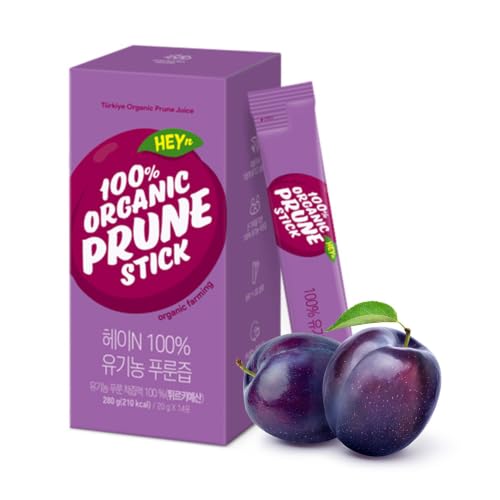
These single-serve sticks are perfect for mixing fresh prune juice as needed, avoiding spoilage risks after opening and supporting flexible storage. Their powder form means no fridge space is needed and no waste from opened bottles.
Can You Freeze Prune Juice? How Freezing Affects Quality and Safety
Yes, you can freeze prune juice to extend its shelf life by 6 to 8 months. Freezing stops bacterial growth, making the juice safe beyond fridge limits. Use freezer-safe glass jars or BPA-free plastic containers to store it. Leave some headspace to allow the juice to expand as it freezes without breaking the container.
Always thaw frozen prune juice slowly in the refrigerator. Once thawed, consume it within 3 days for best taste and safety. The texture might thin out a bit after freezing, but the flavor remains close to fresh prune juice.
1
Freeze Prune Juice
Pour juice into freezer-safe containers, leaving 1-2 inches of headspace.
2
Thaw Properly
Move frozen juice to the fridge and allow it to thaw gradually, usually overnight.
3
Use Quickly
Drink thawed juice within 3 days and do not refreeze to avoid spoilage.
Freezing Tip
Freeze prune juice in small portions to thaw only what you need, reducing waste and preserving quality.
Why Fresh, Unpasteurized, and Cold-Pressed Prune Juice Spoils Faster
Fresh, unpasteurized, and cold-pressed prune juices spoil faster than pasteurized ones because they lack heat treatment that kills microbes. Once opened, cold-pressed juice with no preservatives lasts about 7 to 10 days in the refrigerator, similar to pasteurized juice but often with a more delicate shelf life due to no additives.
Cold-pressed prune juice spoils faster without pasteurization and preservatives.
Unpasteurized prune juice has never been heated to kill bacteria, yeasts, and molds, so it spoils more quickly, usually within a few days once opened. Pregnant women, young children, older adults, and people with weakened immune systems should avoid unpasteurized juice because it can harbor harmful pathogens that heat treatment would normally eliminate.
Homemade prune juice, which is always unpasteurized, spoils even faster and should be consumed within 3 to 5 days refrigerated to prevent fermentation and spoilage.
Pasteurized prune juices have a longer shelf life because the heat process kills most spoilage organisms. That’s why commercially bottled pasteurized prune juice can last several months unopened and about 7 to 10 days once opened if kept cold.
Prune Juice and Babies
Prune juice is generally not recommended for infants under 1 year due to their immature digestive systems and the risk of introducing bacteria from unpasteurized products. For toddlers, prune juice can be given in small amounts to relieve constipation but should be pasteurized and given under pediatric guidance.
Safety Warning
Never give unpasteurized prune juice to infants, pregnant women, or anyone with a compromised immune system. If you notice off smells, cloudiness, or bubbles in unpasteurized or cold-pressed juice, discard it immediately.
Best Practices for Storing Prune Juice to Maximize Freshness
Prune juice needs refrigeration after opening to stay fresh and safe. Keep your fridge at or below 40°F (4°C) to slow microbial growth and preserve flavor.
Store prune juice in glass bottles or airtight containers to protect it from oxygen and contamination. Avoid drinking directly from the bottle to prevent introducing bacteria that can spoil the juice faster.
If your prune juice bottle is less than half full, transfer the leftover juice to a smaller container to reduce air exposure and preserve freshness longer.
Keep the juice in the coldest part of the fridge, usually near the back or bottom shelves, and avoid storing it in the door where temperature fluctuates more with opening and closing.
Light and frequent temperature changes degrade prune juice quality by breaking down nutrients and encouraging spoilage organisms. Store juice away from bright light or heat sources.
Prune Juice Storage Checklist
Refrigerate promptly after opening at 40°F (4°C) or below
Use airtight glass or BPA-free plastic containers
Avoid drinking directly from the bottle
Transfer leftovers to smaller containers when less than half full
Store juice in the coldest part of the fridge, not the door
Keep juice away from light and temperature swings
Keep It Fresh Longer
Pour prune juice into smaller bottles if you won’t finish it soon. Less air means slower spoilage.
Easy single-serve storage
Premium Korean Organic Prune Juice Stick
These convenient prune juice sticks are perfect for portion control and avoid repeated bottle exposure, helping keep your juice fresh.
Can you freeze prune juice and how long does it keep in the freezer?
Prune juice can be frozen to extend its shelf life by 6 to 8 months. Freeze it in an airtight container, leaving space for expansion. Thawed prune juice may taste slightly different but remains safe to drink if kept frozen continuously.
Does prune juice need refrigeration after opening?
Yes, prune juice must be refrigerated after opening to stay fresh and safe. Keeping it at or below 40°F (4°C) slows microbial growth. Leaving it out at room temperature can cause spoilage within hours or days.
How long is prune juice good if stored in the refrigerator door?
Prune juice stored in the refrigerator door is exposed to more temperature fluctuations. It generally stays good for the same 7 to 10 days but might spoil closer to the shorter end of that range. For best freshness, place it in the main fridge compartment.
What does it mean if prune juice smells like alcohol or vinegar?
A smell of alcohol or vinegar indicates fermentation, a sign the prune juice has spoiled. This happens when natural sugars convert into alcohol or acids due to microbial activity. Avoid drinking it if you notice these off smells to prevent stomach upset.
Can you drink prune juice after the expiration date if unopened?
Unopened prune juice can often be safe to drink for several months past the expiration date if stored in a cool, dark place. However, quality and flavor may decline. Check for bulging containers or off odors before consuming.
Is prune juice safe for babies and toddlers?
Prune juice can be given to babies over 6 months to relieve constipation but in small amounts, about 2 to 4 ounces a day. For toddlers, it is safe in moderation but watch for diarrhea or tummy upset. Consult your pediatrician before introducing prune juice.
How long should you wait after dinner to take prune juice?
Waiting about 30 minutes after dinner before drinking prune juice can help avoid stomach discomfort. Prune juice stimulates digestion and bowel movements, so spacing it from meals reduces the chance of cramping or gas.