You opened a bottle of juice, took a sip, and something tasted off. Now you’re wondering how long until spoiled juice makes you sick. The honest answer is usually 12 to 24 hours. Sometimes symptoms hit within a few hours.
It depends on the type of juice, how it was stored, and your own stomach. Let’s break down the real risks and the practical ways to protect yourself without wasting money.
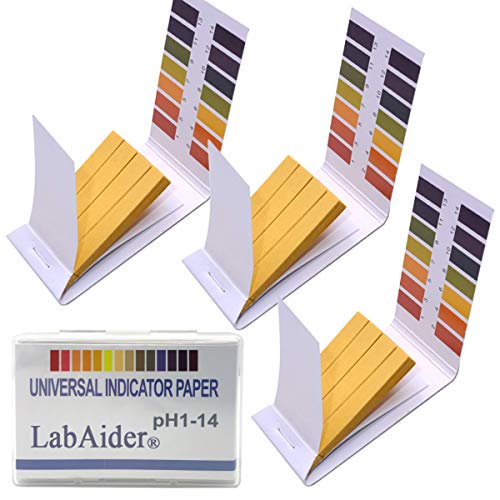
LabAider
3 Pack pH.1-14 Test Paper Extensive Test…
- Paper Size: 45mm x 7mm (L x W), Comes with 3 Pack(240 pH Strips) and 1 Storage Case.
- The test strip color changes must be matched with the pH scale color chart within about 15 seconds. Different pH content discolora…
- There is a strong correlation between the pH of the body's internal environment and pH paper help you to maintain good healthy bod…

The Real Timeline for Symptoms
Most foodborne pathogens take time to multiply inside your gut. If you drank a significant amount of spoiled juice, expect the first signs within 6 to 24 hours.
Common symptoms include nausea, vomiting, stomach cramps, and diarrhea. Fever is less common but possible with certain bacteria like Salmonella or E. coli.
The severity depends on your immune system. Young children, older adults, and pregnant women face higher risks. Most healthy adults recover within 24 to 48 hours without medical treatment.
Dehydration is the biggest danger. If you can’t keep fluids down for more than 12 hours, or if you see blood in your stool, seek medical help.
Why Juice Goes Bad Faster Than You Think
Fresh juice lacks the preservatives found in shelf-stable cartons. Once opened, even refrigerated juice starts growing bacteria within days.
Unpasteurized juice is the highest risk. It can carry pathogens like Listeria, which thrives at cold temperatures. That means your fridge doesn’t protect you from everything.
Signs of spoilage go beyond smell. Look for cloudiness in juices that should be clear, a fizzy texture, or visible mold. But here’s the catch: some spoiled juice looks and smells completely normal.
The Cheap Way: Your Senses and a Test Strip
You don’t need expensive lab equipment to check juice freshness. Your nose catches most spoiled juice before you drink it. A sour, fermented, or vinegar-like smell means it’s past its prime.
Taste is the second line of defense. Take a tiny sip and hold it on your tongue for a second. If it tastes sharp, bitter, or fizzy, spit it out. That small sip rarely causes illness.
For a more objective check, use a pH test strip to measure acidity. Fresh juice typically falls between pH 3 and pH 4. Spoiled juice often becomes more acidic as bacteria ferment sugars into acids.
The LabAider 3 Pack pH Test Paper is a genuinely cheap tool. It gives you 240 strips for about the price of a single bottle of premium juice. You dip a strip in the juice, wait 15 seconds, and compare the color to the chart on the case.
This method catches spoilage that your nose misses. Some bacteria produce acids without creating a strong odor. A sudden drop in pH is a warning sign your senses won’t give you.
This approach costs almost nothing in money. It costs about 30 seconds per test. The trade-off is that it’s not perfect. pH alone doesn’t detect every pathogen, and juice naturally varies in acidity between batches.
The Proper Way: Track Time and Temperature
The reliable method is simple: follow the clock and the thermometer. Refrigerated juice stays safe for 7 to 10 days after opening, according to most manufacturers. Check the label for the specific date.
Juice left at room temperature is a different story. Bacteria double every 20 minutes at room temperature. The two-hour rule applies here. If juice sits out longer than two hours, throw it away.
This rule applies even if the juice looks fine. You can’t see or smell most harmful bacteria. The two-hour window is based on how fast pathogens multiply, not on visible spoilage.
For homemade juice, the timeline shortens. Fresh-pressed juice without preservatives lasts only 24 to 48 hours in the fridge, even in an airtight container. Freeze it in ice cube trays if you want it to last longer.
The proper way also means storing juice correctly. Keep it in the back of the fridge, not in the door. The door experiences temperature swings every time you open it. The back stays consistently cold.
Use a thermometer to verify your fridge stays below 40°F. Many fridges run warmer than their dial suggests. A cheap refrigerator thermometer costs a few dollars and removes the guesswork.
Comparing the Two Approaches
| Method | Upfront Cost | Time Per Check | Reliability | Best For |
|---|---|---|---|---|
| Senses (smell + taste) | $0 | 10 seconds | Catches most spoilage | Everyday quick checks |
| pH test strips | Under $10 | 30 seconds | Catches acid-producing bacteria | Doubtful or borderline juice |
| Time + temperature tracking | $5–15 for thermometer | No daily time | Highest reliability | Homes with kids or elderly |
| Combined approach | Under $15 total | 1 minute | Near-complete protection | Anyone who drinks juice regularly |
The cheap way is genuinely sufficient for most people. Your nose catches the vast majority of spoiled juice. The pH strips add a second layer for those times when you’re unsure.
The proper way is a false economy if you rarely drink juice. Buying a thermometer and tracking dates matters little if you finish a bottle in two days. The tracking method shines for households that buy juice in bulk or have vulnerable members.
For most readers, I’d recommend the middle path. Use your senses as the first check. Keep a pack of pH strips in your pantry for the occasional doubtful bottle. Follow the two-hour rule for room temperature. That combination costs under $10 and takes about a minute per bottle.
What Actually Happens Inside Your Body
When you drink spoiled juice, you’re swallowing live bacteria and their toxins. Some toxins, like those from Staphylococcus aureus, cause symptoms within 30 minutes. Others need hours to multiply enough to trigger a reaction.
Your stomach acid kills some bacteria, but not all. Pathogens like Listeria survive stomach acid and invade your intestinal lining. That’s why symptoms can appear a day or more later.
Your body’s response is a defense mechanism. Vomiting and diarrhea are your system’s way of flushing out the invaders. It’s unpleasant, but it’s usually effective.
Most cases resolve on their own. You don’t need antibiotics for routine food poisoning. Antibiotics only help with specific bacterial infections, and they can make some toxin-related illnesses worse.
How to Test Juice Freshness Without Wasting It
Taste a tiny amount first. A sip the size of a thimble won’t make you sick even if the juice is bad. Your taste buds detect off-flavors faster than your nose detects off-smells.
Check the texture. Fresh juice has a consistent consistency. Spoiled juice often feels slightly thick or slimy on your tongue. That texture change happens before visible mold appears.
Use a fresh lemon juice test as a baseline. Lemon juice is naturally acidic and resists spoilage longer than sweeter juices like apple or grape. If a sweet juice tastes more acidic than usual, that’s a red flag.
Pour a small amount into a clear glass and hold it up to light. Spoiled juice often shows tiny floating particles or a slight haze. Fresh juice is typically clear or uniformly cloudy, depending on the type.
When in doubt, throw it out. A $3 bottle of juice isn’t worth a night of vomiting. The cost of replacing juice is far less than the cost of a doctor visit or a missed day of work.
Frequently Asked Questions
Can I get sick from smelling spoiled juice?
No. Smelling spoiled juice won’t make you ill. Bacteria and toxins don’t travel through the air in harmful amounts from a bottle. The smell is just volatile compounds, not pathogens.
Does boiling spoiled juice make it safe?
No. Boiling kills live bacteria, but it doesn’t neutralize toxins. Many bacterial toxins survive high temperatures. Boiling spoiled juice also concentrates the off-flavors. Throw it away instead.
How long after drinking spoiled juice will I feel sick?
Most people feel symptoms within 6 to 24 hours. Some toxin-producing bacteria cause symptoms in as little as 30 minutes. If you feel fine after 48 hours, you’re likely in the clear.
Can spoiled juice cause food poisoning?
Yes. Spoiled juice is a common source of food poisoning. The symptoms are the same as other foodborne illnesses: nausea, vomiting, diarrhea, and stomach cramps. Severe cases require medical attention.
Is it safe to drink juice past its expiration date?
If the bottle is unopened and has been stored properly, it’s usually safe for a few days past the date. Once opened, the expiration date no longer applies. Use the 7-to-10-day rule for opened juice.
What should I do if I drank spoiled juice?
Drink plenty of water to stay hydrated. Avoid dairy and sugary drinks, which can worsen diarrhea. Rest and let your body flush out the toxins. Seek medical help if symptoms last more than 48 hours or if you develop a high fever.
Does freezing juice stop spoilage?
Freezing stops bacterial growth, but it doesn’t kill bacteria already present. Thawed juice should be consumed within 24 hours and never refrozen. Freezing also changes the texture and flavor of most juices.
The Bottom Line on Spoiled Juice
Spoiled juice can make you sick within hours or up to a day later. The risk is real but manageable. Your senses catch most problems. A pack of pH test strips catches the rest.
Don’t overthink this. Use your nose, follow the two-hour rule, and track your fridge temperature. That’s 90% of the protection you need. The remaining 10% is common sense: when a bottle seems questionable, pour it down the sink.
The bottled lemon juice guide on this site covers similar ground for a specific juice type. The principles are the same: check the date, watch the temperature, trust your senses.
One last note: if you’re the type who forgets how long juice has been open, write the opening date on the bottle with a marker. That single habit prevents more spoiled juice incidents than any test strip ever will.