You know the feeling. That sudden urgency, the burning when you pee, the dull ache in your lower belly. A bladder infection (cystitis) can derail your entire week, and if you’ve had one, you’ve probably wondered if that bottle of cranberry juice in the fridge is actually worth drinking or just a folk remedy your grandmother swore by.
The short answer: cranberry juice does help prevent bladder infections, but it won’t cure one you already have. That distinction matters more than most people realize. In this article, I’ll break down the molecular biology of how cranberry works, what the clinical trials actually show, the exact dosage that makes a difference, and who should steer clear. You’ll walk away with a practical, evidence-based protocol, not vague advice.
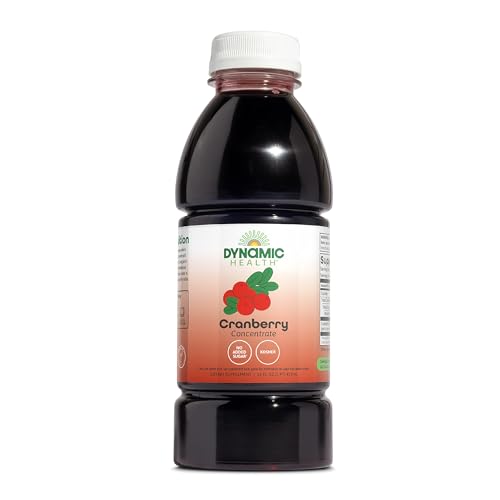
Dynamic Health
DYNAMIC HEALTH 100% Cranberry Juice Concentrate, 16…
- POTENT ANTIOXIDANT. Cranberries contain nutrients like vitamins C and E, plus the added power of the antioxidant quercetin. Antiox…
- COUNT ON CRANBERRY. You’ve probably heard that cranberries are great for urinary tract health. That’s because of proanthocyanidins…
- NO ADDED SUGAR. Our Cranberry Juice Concentrate is made without sweeteners or added sugar. It’s also Vegetarian, Gluten-Free, BPA-…
If you’re looking for a clean, no-sugar option to try, Dynamic Health 100% Cranberry Juice Concentrate packs about 4,000 cranberries per bottle with no added sugar, which makes it a solid choice for daily prevention. We’ll get into why the sugar content matters in a bit.

The Cranberry Myth vs. The Science
Let’s clear the air. Cranberry juice is not a magic bullet. It doesn’t sterilize your urinary tract or kill bacteria directly. What it does is far more interesting: it stops bacteria from sticking to the walls of your bladder and urethra. Without adhesion, the bacteria get flushed out every time you pee.
That mechanism is why cranberry works for prevention but fails as a treatment. Once bacteria have already latched on and started multiplying, cranberry’s anti-adhesion effect is too weak to dislodge an established colony. You need antibiotics at that point, and no amount of juice will change that.
So when you see headlines saying “cranberry juice does nothing,” they’re usually talking about studies where people drank it after symptoms started. That’s the wrong question. The right question is: can regular consumption lower your risk of getting an infection in the first place? The evidence says yes, with some caveats.
How E. coli Causes a Bladder Infection
About 80% of uncomplicated bladder infections are caused by uropathogenic E. coli. These bacteria live harmlessly in your gut, but when they migrate to the urethra, they can cause trouble. The key step is adhesion. E. coli uses tiny hair-like structures called fimbriae to latch onto receptors on the bladder’s epithelial lining.
Once attached, the bacteria form a biofilm, a protective slime layer that shields them from your immune system and antibiotics. This biofilm is why some infections recur and why antibiotic resistance is becoming a serious problem. If you can prevent that initial attachment, you prevent the whole cascade.
Cranberry’s active compounds interfere with exactly this step. They don’t kill E. coli; they make the bladder surface too slippery for the bacteria to grab onto. Think of it like Teflon coating on a pan. Nothing sticks.
The Active Ingredient: Type-A Proanthocyanidins (PACs)
Not all cranberry compounds are equal. The stars are proanthocyanidins, or PACs, which are a type of flavonoid found in many plants. But here’s the crucial detail: there are two structural types, A and B, and they behave very differently.
Type-B PACs are common in many foods, including chocolate, apples, and green tea. Type-A PACs are much rarer, and cranberries are one of the few significant dietary sources. The difference is a single chemical bond, but that bond changes everything.
Why Type-A PACs Block Bacterial Adhesion
The type-A bond creates a rigid, kinked molecular shape. This shape fits perfectly into the receptors on E. coli‘s fimbriae, blocking them from binding to your bladder wall. Type-B PACs have a flatter, more flexible structure that doesn’t lock onto those receptors as effectively.
In laboratory studies, type-A PACs from cranberries have been shown to reduce E. coli adhesion by up to 80% in some models. That’s a massive effect. But here’s the catch: the concentration matters. You need enough PACs in your urine to make a difference, and that requires consistent daily intake.
This is why cranberry juice cocktail, which is heavily diluted and loaded with sugar, often fails in clinical trials. It simply doesn’t deliver enough PACs per glass to reach an effective urinary concentration.
What the Clinical Trials Actually Prove
The research on cranberry and UTIs is messy, but there’s a pattern. A 2026 meta-analysis in the European Urology journal pooled data from over 50 trials and found that cranberry products reduced the risk of recurrent UTIs by about 26% in women with a history of infections. That’s not a miracle, but it’s meaningful.
Another well-designed 2026 trial in JAMA found that a daily capsule of cranberry extract reduced UTI incidence by 30% in older women in nursing homes. The effect was strongest in women who actually adhered to the regimen. Women who skipped doses saw no benefit.
For younger women with recurrent UTIs, the evidence is similar. A 2026 study in American Journal of Obstetrics and Gynecology showed that cranberry capsules were as effective as a low-dose antibiotic (nitrofurantoin) for preventing recurrence over 12 months, without the antibiotic resistance concerns.
Prevention Works, Cure Does Not
Let me be blunt: if you already have a burning sensation and cloudy urine, cranberry juice won’t help. It might even delay proper treatment. The anti-adhesion mechanism only works when bacteria are still floating freely, not when they’ve already colonized.
Once symptoms appear, you need medical evaluation. Untreated UTIs can ascend to the kidneys, causing pyelonephritis, which is a much more serious infection with fever, flank pain, and potential bloodstream involvement. Cranberry is a preventive tool, not a therapeutic one.
Think of it like sunscreen. You apply it before going out in the sun, not after you’re already sunburned. Same logic applies here.
Juice vs. Tablets vs. Extract: Which Is Best?
You have three main options: 100% juice, juice cocktail, or concentrated extract (capsules or liquid). Each has trade-offs in terms of PAC content, sugar load, and convenience.
100% juice delivers real PACs but also natural fruit sugar. Cranberry juice cocktail is mostly water and added sugar, with a fraction of the PACs. Extracts are standardized, meaning you know exactly how much PAC you’re getting per dose, but they lack the other beneficial compounds found in whole fruit.
For most people, I’d recommend either 100% juice or a standardized extract. The cocktail is basically expensive sugar water with a cranberry flavor. Don’t waste your money.
The Sugar and Calorie Trade-Off
Here’s where it gets practical. An 8-ounce glass of 100% unsweetened cranberry juice has about 45 calories and 4 grams of naturally occurring sugar. The same glass of cranberry juice cocktail has about 110 calories and 28 grams of added sugar. That’s nearly the sugar content of a can of soda.
Drinking two glasses of cocktail a day adds 56 grams of sugar, which can spike your blood glucose and contribute to weight gain. For people with diabetes or prediabetes, that’s a real problem. If you choose juice, go unsweetened and dilute it with water if the tartness is too much. You can also check out this guide on how to sweeten cranberry juice without refined sugar.
Tablets and extracts sidestep the sugar issue entirely. A typical 500 mg cranberry extract capsule contains less than 1 gram of carbohydrate. You get the PACs without the calories, but you lose the hydration benefit that comes with drinking fluids.
| Form | Typical PAC Content (per serving) | Sugar (per serving) | Calories | Best For |
|---|---|---|---|---|
| 100% Unsweetened Juice (8 oz) | ~36 mg | 4 g (natural) | ~45 | Prevention with hydration |
| Cranberry Cocktail (8 oz) | ~5-10 mg | 28 g (added) | ~110 | Not recommended |
| Extract Capsule (500 mg) | ~36-72 mg | 0 g | ~5 | Convenient daily dosing |
| Liquid Concentrate (1 oz) | ~50-80 mg | 0 g (if unsweetened) | ~15 | Flexible dosing, no sugar |
The table above shows why the form matters. A concentrated product like the Dynamic Health cranberry concentrate gives you a high PAC dose in a small volume, which is useful if you want the benefit without drinking a liter of juice.
The Exact Dosage That Works
Clinical trials that show benefit use specific parameters. Don’t guess. Here’s what the evidence supports for prevention in adults with a history of recurrent UTIs:
- Juice: 8 to 16 ounces (240-480 mL) of 100% unsweetened cranberry juice daily, split into two servings. That’s roughly 36-72 mg of PACs.
- Extract capsules: 500 mg of concentrated cranberry extract twice daily, standardized to contain at least 36 mg of type-A PACs per dose.
- Liquid concentrate: 1 to 2 ounces (30-60 mL) of unsweetened concentrate diluted in water, taken once daily.
- Timing: Take it consistently, ideally at the same time each day. The anti-adhesion effect lasts only 8-12 hours in urine, so daily dosing is non-negotiable.
- Duration: Most trials run 6-12 months. Cranberry is not a short-term fix; it’s a lifestyle habit for those prone to infections.
If you miss a day, don’t double up the next day. Just resume your normal schedule. Consistency beats intensity.
One caveat: these dosages apply to prevention, not treatment. If you suspect an active infection, see a doctor. Cranberry won’t touch an established biofilm.
Who Should Avoid Cranberry Products?
Cranberry is safe for most people, but it’s not for everyone. Here’s who should be careful.
Kidney stone formers. Cranberries are high in oxalate, a compound that can bind with calcium to form calcium oxalate stones, the most common type. If you’ve had a stone before, especially an oxalate stone, daily high-dose cranberry could increase your risk. Some studies show a slight elevation in urinary oxalate after regular consumption. Talk to your urologist before starting.
People on blood thinners. Cranberry contains vitamin K, which plays a role in blood clotting. High doses might interfere with warfarin (Coumadin), potentially increasing the risk of bleeding. The interaction is not fully established, but the FDA has issued a warning. If you’re on warfarin, check with your doctor.
Diabetics. Unsweetened cranberry juice has a moderate glycemic load, but the cocktail is a sugar bomb. If you have diabetes, stick to unsweetened forms or extracts. Monitor your blood sugar if you try juice.
People with sensitive stomachs. The acidity of cranberry can irritate the stomach lining or worsen acid reflux in some individuals. Start with a small dose and see how you tolerate it.
There’s also a question about whether cranberry juice irritates the bladder in some people. Ironically, for a small subset, the acidity can cause a temporary urge to pee more frequently. If that happens to you, the extract form might be better tolerated.
A Holistic Prevention Plan (Hydration, D-Mannose, Hygiene)
Cranberry is one tool, but it’s not the only one. A comprehensive prevention plan addresses multiple factors.
Hydration. Drinking enough water is arguably more important than cranberry. Dilute urine makes it harder for bacteria to survive and easier for your body to flush them out. Aim for 2-3 liters of fluid daily, more if you’re active or live in a hot climate.
D-Mannose. This is a type of sugar that also blocks E. coli adhesion, but it works differently. D-mannose binds to the bacteria themselves, coating them so they can’t stick. Some trials suggest it’s as effective as cranberry, and you can combine both. Typical dose is 1-2 grams daily for prevention, or 3 grams every few hours at the first sign of symptoms.
Urination habits. Pee before and after sex, and don’t hold it for long periods. Stagnant urine gives bacteria time to multiply. Emptying your bladder regularly is a simple, free preventive measure.
Hygiene. Wipe front to back, avoid harsh soaps or douches in the genital area, and wear cotton underwear. These won’t prevent all infections, but they reduce the bacterial load near the urethra.
Probiotics. Some strains of lactobacilli, particularly L. rhamnosus and L. reuteri, may help maintain a healthy vaginal microbiome that crowds out uropathogens. The evidence is mixed, but it’s low-risk and worth trying if you have recurrent issues.
If you want to understand the full picture of how cranberry fits into urinary health, this cranberry juice urinary health guide covers the broader context.
Frequently Asked Questions
How much cranberry juice should I drink daily to prevent a UTI?
Clinical trials that show benefit use 8 to 16 ounces of 100% unsweetened cranberry juice per day, split into two servings. That provides roughly 36-72 mg of type-A PACs. If you’re using a concentrated extract, aim for 500 mg twice daily. Consistency matters more than the exact amount on any single day.
Can cranberry juice cure an existing bladder infection?
No. Cranberry’s anti-adhesion mechanism only works on free-floating bacteria. Once E. coli has attached to your bladder wall and formed a biofilm, cranberry can’t dislodge it. If you have symptoms like burning, urgency, or cloudy urine, see a doctor for antibiotics. Delaying treatment risks a kidney infection.
Is cranberry juice cocktail as good as 100% juice?
No. Cocktail is typically 25-30% juice, with the rest being water and added sugar. A glass of cocktail has only about 5-10 mg of PACs compared to 36 mg in 100% juice, plus 28 grams of added sugar. You’d need to drink several glasses to get an effective dose, which would spike your blood sugar. Stick to unsweetened juice or extract.
Can I take cranberry extract capsules instead of drinking juice?
Yes, and for many people, capsules are more practical. They deliver a standardized dose of PACs without sugar or calories. Look for a product that specifies the type-A PAC content on the label. The downside is you lose the hydration benefit of drinking fluids, so make sure you’re still drinking plenty of water.
Does cranberry juice interact with any medications?
Yes, two important ones. Cranberry can increase the effect of warfarin (a blood thinner), raising bleeding risk. It can also alter how your body processes certain drugs metabolized by the liver, though this is less well-documented. If you take warfarin, diabetes medication, or any prescription drug, check with your pharmacist before adding high-dose cranberry to your routine.
The Bottom Line
Cranberry juice is not a cure, but it’s a legitimate, evidence-backed preventive tool for recurrent bladder infections. The active compound, type-A proanthocyanidins, blocks E. coli from sticking to your bladder wall, and consistent daily intake reduces infection risk by roughly 25-30% in clinical trials.
Here’s what to do with this information:
- Choose 100% unsweetened juice or a standardized extract, not cocktail. Check the label for type-A PAC content.
- Drink 8-16 ounces of juice daily, or take 500 mg of extract twice daily, every single day. Missed days reduce the effect.
- Use cranberry for prevention only. If you have active symptoms, see a doctor.
- Avoid cranberry if you have a history of oxalate kidney stones or take warfarin. Ask your doctor first.
- Combine cranberry with good hydration, regular urination, and D-mannose for a stronger preventive effect.
- Be patient. The benefit builds over weeks to months, not hours.
- If you choose a concentrate, the Dynamic Health 100% Cranberry Juice Concentrate is a clean, no-added-sugar option worth considering. Check the current price on Amazon if you’re interested.
Bladder infections are miserable, but you have more control than you think. A daily glass of cranberry juice, plenty of water, and good urinary habits can make a real difference. Start today, and give it at least a month before judging the results.


